
Enhancing Brand Value with Leather Tags for Professional Appeal
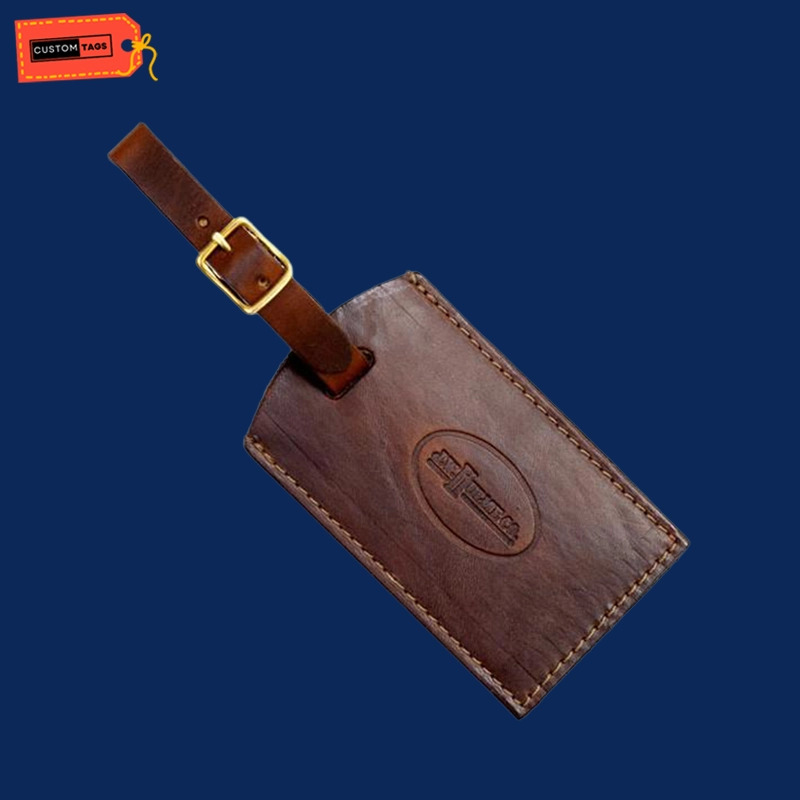
Leather is unrivaled, and its durability and feel are outstanding; hence, it may be used by companies that prefer products with high-quality leather tags. It has a natural texture and finish, which gives it a feeling of sophistication and makes the product have a general perception. The various kinds of leather, including full-grain, top-grain, and bonded leather, have their own peculiarities with regard to flexibility, strength, and the look of the leather. The use of an appropriate material will also see to it that the tags not only endure longer, but also meet the targeted brand image.
The leather selection also influences the ways one can be customized. The lighter leathers are able to take more complicated embossing, debossing, or laser etching without cracking, and the harder ones hold their shape when they are in serious use. Learning the specifics of leather kinds will enable the company to come up with tags that are attractive aesthetically and strong structurally, leaving a permanent impression on the end consumer.
Design Considerations
The Custom leather tags wholesale are designed in such a way that it affects the way they present brand identity. Shapes, size, and finish of edges also contribute to the production of a unique appearance that gives out the personality of the product. Minimalistic designs frequently depict beauty, whereas elaborate designs can highlight the artisanal program and detailing. Branding components are placed in a strategic manner so as not to overwhelm the aesthetic of the tag.
The visual appeal is also added by the color and texture selection. The use of natural tones creates a traditional touch, and the use of dyed leathers brings in the vibrant or neutral touch to packaging and theme choices in the product. The use of uniform designs in product lines brings about recognition and brand unity, as each product will feel like a part of an entire and well-considered collection.
Production Techniques
Different production techniques are available in order to obtain the leather tags with a polished and professional look. Embossing is performed to add a raised pattern or lettering that is tactile, whereas debossing is performed to inscribe a design on the leather, giving it a more elegant, subtle image. Laser engraving provides the ability to be able to use precise and detailed engraving, but without affecting the integrity of the leather; every tag is a reflection of quality workmanship and brand identity.
The quality is also improved through stitching and edge finishing. Hand crafts are believed to have artisanal worth, and machine stitching provides homogeneity in mass production. Edge burnishing is a process that keeps the leather in good condition and offers aesthetic appeal. A combination of these methods creates tags that are strong, attractive, and completely comply with the presentation standards of a brand.
Branding Impact
The use of leather tags enhances brand recognition because they offer a physical, touchable quality and a high-quality association with products. They are effective marketing instruments that carry a promise of quality even though they are very subtle. The use of consistent branding, Custom leather tag packaging, and products assists customer loyalty and reaffirms perceived value, especially with high-end products.
The existence of a well-developed tag is capable of differentiating products in competitive markets. Leather tags are identified by the customers with durability, attention to detail, and sophistication. This image improves brand image and may affect the buying choice, so the leather tags are a good investment in long-term brand positioning.
Versatility Applications
Leather tags can be used on a very diverse assortment of products, including apparel, accessories, and luxury items. They can be accommodated to various styles and sizes, and hence suit any small object, such as a handbag, or large products, such as outerwear. Universal fastening systems, such as rivets, strings, or adhesive systems, provide the ability to fully cover the various types of packaging.
Customization enables tags to serve more functions other than branding. They may act as care instruction repositories, certificates of authenticity, or as limited edition markers. Leather tags offer value addition to the product by combining both functionality and attractiveness, which customers identify with and create a better product experience.
Sustainability Focus
The sourcing and treatment of leather have environmental responsibility. The choice of leather by the suppliers who are known to practice ethical standards provides high-quality Custom tags with no minimum harmful effect on the environment. Vegetable-tanned or sustainably-treated leathers are of quality and can help sustain manufacturing practices.
Finishing and maintenance of the leather tags properly increases the life of the tags, minimizing waste and enhancing efficiency in resources. Leather of high quality can withstand a long time of handling and exposure to environmental factors, as the products are able to maintain high presentation. Businesses enjoy both a viable survival and a perceived responsibility in sourcing.
Packaging Integration
Leather tags are also used to supplement packaging strategies to enhance the experience of opening the package. Considerate utilization of boxes, bags, or wraps establishes a sound presentation that strengthens brand messages. The tags may be either placed as emphasis points or faint accents based on the effect required.
Tailor-made packaging gives the possibility to have different touchpoints with the same brand. The communication of the tags and the packaging materials, colors, and textures makes sure that the whole aesthetic of the goods is not disjointed. The properly integrated leather labels increase the perception of customers, generating memorable experiences that reinforce re-business and favorable brand identification.
Conclusion
Leather tags are not merely useful accessories; they are the instruments that are used to communicate quality, craftsmanship, and brand attributes. By selecting materials carefully and designing, manufacturing, and incorporating them with packaging, companies can make tags that make the products more attractive and build customer relationships. The high quality of leather tags provides an aesthetic value and a strategic one as well, which makes the products special and leaves a strong impression of the brand and professionalism.
