How Packaging Design Accommodates High-Top, Low-Top, and Bulky Shoes
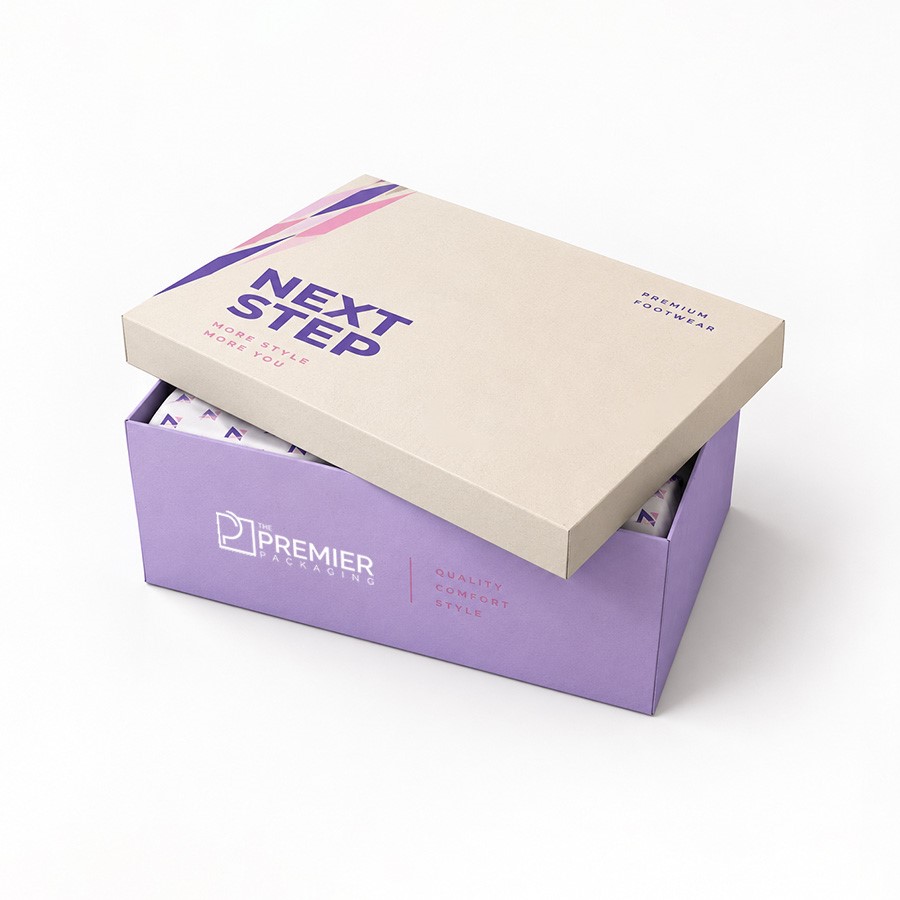
Shoe height gets overlooked more than almost any other packaging variable, mostly because it seems like the kind of thing a standard box size should just handle on its own. It doesn’t, not really. A high-top sneaker, a low-profile loafer, and a chunky platform boot all fill a box differently, and a design that works fine for one can leave another either crushed at the ankle or swimming in unnecessary empty space.
Why Shoe Profile Changes the Packaging Math
A box isn’t just sized to length and width — height matters just as much, and it’s the dimension brands most often get wrong. With too little vertical clearance, anything with real ankle height gets compressed against the lid, which, over time, can crease or deform the upper. Too much clearance and the shoe has room to shift, tip, or slide during handling, none of which does it any favors either.
The real issue is that “shoe height” isn’t one category. High-tops, low-tops, and bulky styles each stress a box in a different place, and treating them as interchangeable is where most packaging problems start.
High-Top Shoes Need Vertical Support, Not Just Vertical Space
High-tops basketball sneakers, boots, anything with real ankle coverage need enough internal height to avoid crushing the shoe’s collar, but that height has to be paired with actual support, not just empty air. A box that’s simply taller without any internal structure just gives the shoe room to lean or tip, which can deform the ankle panel just as easily as a box that’s too short.
The better approach is a box built with the extra height accounted for structurally, sometimes an internal ridge or insert that keeps the shoe upright, rather than letting it fall sideways into the extra space.
Low-Top Shoes Don’t Need Height, But They Do Need Snugness
Low-tops sneakers, loafers, flats are the easiest profile to package well, mostly because there’s less vertical structure at risk. The main mistake here is actually the opposite of the high-top problem: brands sometimes use the same box across their whole line, which means a low-top ends up in a box built for something taller, with far more clearance above the shoe than it needs. That extra space becomes room for the shoe to shift and rattle, so a low-top generally does best in a box sized specifically to its actual, shorter profile.
Bulky Shoes Need Reinforced Structure More Than Extra Room
Bulky footwear platform styles, heavy work boots, anything wide or thick-soled puts a different kind of stress on packaging. It’s less about height and more about weight and volume. A box that’s just scaled up in size without reinforcing the base or side walls can bow, buckle, or lose shape under the sustained weight of a heavier shoe, especially if boxes are stacked during storage or shipping. Corrugated cardboard shoe boxes with lids tend to handle this category well, since the corrugation adds real structural strength without needing an entirely different material, and the separate lid allows for the extra depth bulky shoes often require without compromising the base’s rigidity.
Matching Box Design to Shoe Profile
| Shoe Profile | Main Packaging Risk | Design Priority | Common Fix |
| High-top | Crushed or creased collar/ankle panel | Vertical support, not just vertical space | Internal ridge or insert to prevent tipping |
| Low-top | Excess internal movement | Snug, profile-specific sizing | Box sized to actual shoe height, not a shared standard |
| Bulky/platform | Structural collapse under weight | Reinforced base and side walls | Corrugated construction, separate lid for depth |
| Boots (tall shaft) | Shaft folding or creasing under lid pressure | Adequate height with internal shaping | Tissue support or shaft insert to hold form |
| Sandals/open styles | Strap snagging or shifting | Stable flat positioning | Insert or tray to keep straps from moving |
Final words
One detail that often gets missed: the lid isn’t just a cover; it’s part of the structural system. A box with a lid that’s too shallow for a bulky or high-top shoe puts constant downward pressure on the product whenever it’s stacked or handled, even if the base itself is sized correctly. Separate two-piece designs, rather than a single telescoping fold, tend to give more control over the lid depth can be adjusted independently of the base, which matters a lot once you’re dealing with shoes that vary significantly in height across a product line.
Brands sourcing at scale often work with an established supplier for this kind of profile-specific structure, something like the premier packaging, for instance, rather than trying to force every shoe type through the same one or two box templates.
FAQs
Do high-top and low-top shoes really need different box sizes?
Generally yes. Using a single box size for both usually means either crushing the high-top’s ankle area or leaving too much loose space around the low-top, both of which can cause different kinds of damage over time.
What’s the biggest packaging mistake with bulky or platform shoes?
Scaling up a standard box size without structural reinforcement. A larger box without added support at the base and sides tends to bow or weaken under the shoe’s extra weight, especially when stacked.
Why does lid depth matter separately from box height?
The lid carries pressure from stacking and handling, so a lid that’s too shallow for the shoe’s actual profile puts stress on the product even if the base is sized correctly — height needs to be right on both pieces, not just the base.
Is corrugated cardboard sturdy enough for heavier shoe styles?
Yes, when it’s the right grade and used with proper reinforcement at stress points. Corrugated construction adds real strength without the added cost of switching to a completely different material.
Can a single packaging design work across an entire shoe line with mixed profiles?
It’s possible with a modular approach, a consistent base design with adjustable insert or lid depth, but a single fixed box size across high-tops, low-tops, and bulky styles usually underserves at least one of those categories.
Tag:Shoes boxes

You may also like