Creative Ways to Use Animal Silhouettes in Art and Design
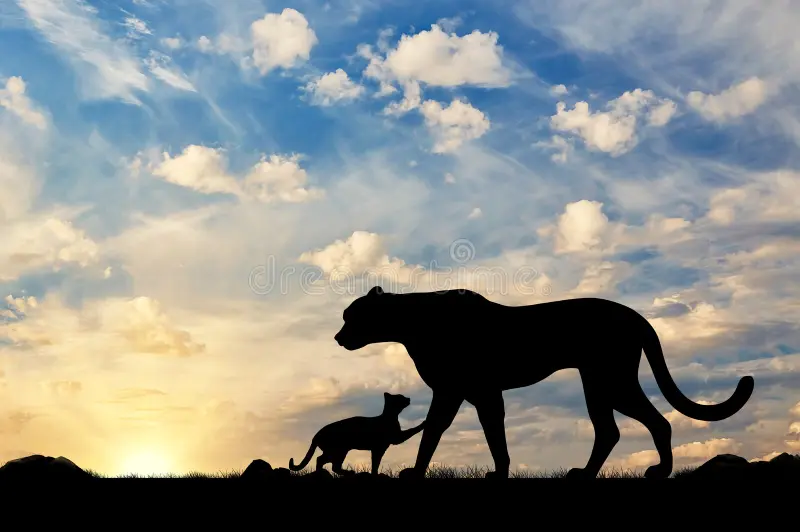
Animal silhouettes have a unique ability to communicate an idea without relying on detailed illustrations, realistic textures, or complex colors. A simple outline of a bird, wolf, horse, deer, or elephant can immediately suggest movement, personality, nature, or emotion. Because of this visual simplicity, animal silhouettes can work across everything from wall art and branding to educational materials, crafts, apparel, and digital graphics.
The challenge is using silhouettes creatively rather than simply placing an animal outline on a blank background. Good silhouette design depends on composition, scale, contrast, negative space, and context. When these elements are handled thoughtfully, even a basic animal shape can become a memorable focal point.
Why Animal Silhouettes Work So Well in Design
A silhouette removes unnecessary visual information and leaves viewers with the most recognizable characteristics of a subject. The shape of a fox’s ears, the curve of a bird’s wings, or the distinctive profile of an elephant can be enough for people to identify the animal instantly.
This simplicity gives silhouettes several practical advantages. They reproduce well at different sizes, remain recognizable in both print and digital formats, and can be adapted to many artistic styles. A silhouette can look modern and minimal in one project or rustic and handcrafted in another.
They are also particularly useful when designers want to create visual storytelling. Several silhouettes arranged together can suggest an entire scene without requiring a detailed illustration.
Step-by-Step Ways to Use Animal Silhouettes Creatively
1. Create Layered Nature Scenes
One of the most effective approaches is combining multiple silhouettes to create depth.
For example, imagine a forest poster with tall tree silhouettes in the background, deer in the middle ground, and a small bird in the foreground. Varying the size and darkness of each element creates a sense of distance.
Practical tip: Keep background silhouettes simpler and less visually dominant than foreground subjects. This prevents the composition from becoming crowded.
2. Turn Silhouettes Into Decorative Patterns
Animal shapes do not have to appear as individual focal points. Repeating them can create interesting patterns for fabric, stationery, packaging, wallpaper, or digital backgrounds.
A designer might repeat small fish across a children’s notebook or use alternating bird silhouettes on wrapping paper. Rotating and varying the spacing between shapes can make the pattern feel more organic.
For a sophisticated result, use one animal shape with subtle variations instead of mixing too many unrelated subjects.
3. Use Negative Space to Tell a Story
Negative space is one of the most powerful tools available when working with silhouettes. Instead of treating empty areas as unused space, designers can use them to reveal another image or idea.
For instance, a wolf silhouette could contain the outline of a mountain range within its body. A bird could be positioned so that the space between its wings forms another recognizable shape.
This technique works particularly well for posters, logos, editorial artwork, and conceptual illustrations because it encourages viewers to look more closely.
4. Combine Silhouettes With Typography
Animal silhouettes can interact naturally with text.
A running horse might appear beneath a headline to create a sense of movement, while flying birds can guide the viewer’s eye toward a title. A bear silhouette could even replace part of a letterform when the shape remains readable.
The key is maintaining typographic clarity. Decorative elements should support the message rather than make important words difficult to read.
5. Build Minimalist Wall Art
Minimalism is another natural application for animal silhouettes. A single dark silhouette against a neutral background can create a strong decorative piece without overwhelming a room.
Consider a simple deer profile centered on a warm beige background or a whale silhouette surrounded by generous white space. The absence of detail becomes part of the aesthetic.
For minimalist artwork, proportion matters. A poorly scaled silhouette can make an otherwise clean composition feel unbalanced.
6. Create Educational Materials
Silhouettes can also make educational content easier to understand.
Teachers, publishers, and designers can use animal outlines for identification activities, matching exercises, flashcards, classroom displays, and early-learning worksheets. Children can match silhouettes with animal names or identify species based on distinctive body shapes.
For educational use, choose silhouettes with recognizable features. Excessively stylized shapes may look attractive but can make identification unnecessarily difficult.
7. Add Movement to Sports and Outdoor Designs
Animal silhouettes are excellent for communicating speed and energy.
A leaping deer, running cheetah, diving eagle, or jumping fish can create a dynamic visual direction. Positioning the animal so that it faces into open space can make the design feel as though the subject is moving forward.
This approach is useful for outdoor event graphics, adventure-themed artwork, recreational programs, and athletic designs.
Common Mistakes or Challenges
Choosing Unrecognizable Shapes
Not every animal remains identifiable when reduced to a silhouette. Fine details such as facial features, fur, or small limbs disappear. What remains must still communicate the subject.
Test the silhouette at the actual size where it will be used. If viewers cannot identify it quickly, simplify or adjust the pose.
Overloading the Composition
Using too many silhouettes can destroy the visual simplicity that makes them effective. A design containing dozens of animals, decorative elements, textures, and competing colors may become difficult to understand.
Start with one primary subject and add supporting shapes only when they serve a clear compositional purpose.
Ignoring Scale
Scale can dramatically change meaning. A giant bird behind a tiny person can create a dramatic fantasy effect, while the same proportions might look accidental in a realistic nature illustration.
Before finalizing a composition, compare the relative sizes of all major elements and ask whether they communicate the intended perspective.
Using Weak Contrast
A silhouette generally depends on clear separation from its background. If the foreground and background have nearly identical tones, the animal can lose its visual impact.
Contrast does not always mean pure black against white. Deep green against a pale cream background or dark blue against a soft orange can also work effectively.
Practical Tips From an Expert Design Perspective
Start with the purpose of the design, not the animal itself. Ask what the viewer should feel or understand. A soaring eagle might communicate freedom, while a resting cat may suggest comfort or calmness.
Think about pose before decoration. The posture of an animal often communicates more than additional visual details. A crouching tiger feels completely different from a standing tiger even when the basic outline is similar.
Use consistent visual weight when combining multiple silhouettes. If one shape has a very complex outline and another is extremely simple, they may compete for attention.
Consider where the design will be viewed. A silhouette that works beautifully on a large poster may lose its identity when reduced to a small icon. Always test important artwork at its final size.
Finally, experiment with orientation and repetition. Mirroring a silhouette, changing its scale, or placing several versions along a curved path can create movement without requiring complicated illustration techniques.
Conclusion
Animal silhouettes offer far more creative possibilities than simple decorative outlines. They can establish mood, communicate movement, create patterns, support educational content, strengthen typography, and tell visual stories through shape and negative space.
The strongest results come from intentional choices: select recognizable poses, control contrast, use scale carefully, and give every silhouette a purpose within the composition. Whether you’re creating artwork, a poster, a pattern, or a digital design, a thoughtfully used animal silhouette can communicate a surprising amount with very little visual information.

You may also like
Food Wrapping Paper Trends Every UK Business Should Know

What Types of Wedding Transport Can You Hire?