• Home
  • Traditional Learning

    First Aid

    • 3 Day First Aid at Work
    • Emergency First Aid at Work
    • First Aid at Work Re-qualification
    • First Aid Annual Refresher
    • Automated External Defibrillator (AED)
    • Paediatric First Aid 6 hours
    • Paediatric First Aid 12 hours
    • Allergy and Anaphylaxis Training (Benedict’s Law)
    • First Aid in Schools 18hrs
    • Emergency First Aid at Work and Paediatric 12hrs Combined
    • First Aid in School 1 Day
    • First Aid Course for Parents

    Health & Safety

    • Health and Safety in the Work Place Level 3
    • Health and Safety Awareness

    Food Hygiene

    • Food Safety Level 3
    • Basic Food Hygiene
    • Allergen Awareness

    Fire Safety

    • Fire Marshal
    • Fire Safety Awareness

    Manual Handling

    • Manual Handling Level 2
    • Manual Handling Awareness

    Health & Social Care

    • Administering of Medication
    • Safeguarding Adults
    • Dementia Awareness
    • Infection Control
    • Mental Capacity Act and DoLS
    • Mental Health Awareness​
    • Nutrition and Health
    • Whistleblower Training
  • Distance Learning

    Level 2

    • Mental Health Awareness
    • Personal Exercise, Nutrition & Health
    • Falls Prevention Awareness
    • Common Health Conditions
    • Cleaning Principles
    • Principles of Team Leading
    • Customer Service in Care
    • Safe Handling of Medication
    • Behaviour That Challenges
    • End of Life Care
    • Principles in Care Planning
    • Dignity and Safeguarding

    Level 2

    • Adult Social Care
    • Nutrition and Health
    • Infection Control
    • Equality and Diversity
    • Safeguarding and Prevent
    • Dementia Care
    • Common Childhood Illnesses
    • Children and Young People’s Mental Health
    • Specific Learning Difficulties
    • Management of Diabetes
    • Dementia Care

    Level 2

    • Caring for Children and Young People
    • Learning Disabilities
    • Understanding Autism
    • Customer Service in Hospitality
    • Counselling Skills
    • Warehousing and Storage
    • Lean Organisation Management
    • Information Advice and Guidance
    • Customer Service
    • Business Administration
    • Retail Operations

    Level 2

    • Business Start Up
    • Business Improvement Techniques
    • Data Protection and Data Security
    • Mental Health First Aid
    • Personal Care Needs
    • Technology Enabled Care
    • Tenant Support in Social Housing
    • Workplace Violence and Harassment
    • Climate Change and Environmental Awareness
  • Blended & E-Learning

    Blended Learning

    • Blended First Aid Training at Work
    • Blended Emergency First Aid at Work
    • Blended 12 Hour Paediatric First Aid Course
    • Blended Combined Paediatric 12 hrs and First Aid at Work
    • Blended Combined Paediatric 12hrs and Emergency First Aid at Work

    E-Learning

    • Manual Handling Level 2
    • Chaperoning Training in Primary Care
    • Annual First Aid Refresher Update
    • CPR / AED and Medical Emergencies for Dental Professionals
    • First Aid Awareness for Water Based Settings
    • Outdoor First Aid Course
    • Safeguarding Children Course

    E-Learning

    • Fire Marshal Training
    • Level 2 Food Safety
    • Prevent Duty Training
    • Fire Safety Training for Early Years
    • First Aid for Parents Course
    • Risk Assessment for Nurseries
    • Family First Aid Course
    • Allergy and Anaphylaxis Awareness for Schools (Benedict’s Law)

    E-Learning

    • Infection Control Training for Children’s Activity Providers
    • Basic Life Support Training Annual Update for Primary Care (Clinical)
    • CPR Training Annual Update for Primary Care (Non-Clinical)
  • Features
    • Why Choose Us
    • Testimonials
    • Contact
    • Gallery
    • About Us
    • First Aid Training During Covid 19
    • Terms and Conditions
    • Privacy Policy and Cookies
    • Blog
    Have any question?
    07814170078
    info@fastresponsepfa.co.uk
    First Aid
    • Home
    • Traditional Learning

      First Aid

      • 3 Day First Aid at Work
      • Emergency First Aid at Work
      • First Aid at Work Re-qualification
      • First Aid Annual Refresher
      • Automated External Defibrillator (AED)
      • Paediatric First Aid 6 hours
      • Paediatric First Aid 12 hours
      • Allergy and Anaphylaxis Training (Benedict’s Law)
      • First Aid in Schools 18hrs
      • Emergency First Aid at Work and Paediatric 12hrs Combined
      • First Aid in School 1 Day
      • First Aid Course for Parents

      Health & Safety

      • Health and Safety in the Work Place Level 3
      • Health and Safety Awareness

      Food Hygiene

      • Food Safety Level 3
      • Basic Food Hygiene
      • Allergen Awareness

      Fire Safety

      • Fire Marshal
      • Fire Safety Awareness

      Manual Handling

      • Manual Handling Level 2
      • Manual Handling Awareness

      Health & Social Care

      • Administering of Medication
      • Safeguarding Adults
      • Dementia Awareness
      • Infection Control
      • Mental Capacity Act and DoLS
      • Mental Health Awareness​
      • Nutrition and Health
      • Whistleblower Training
    • Distance Learning

      Level 2

      • Mental Health Awareness
      • Personal Exercise, Nutrition & Health
      • Falls Prevention Awareness
      • Common Health Conditions
      • Cleaning Principles
      • Principles of Team Leading
      • Customer Service in Care
      • Safe Handling of Medication
      • Behaviour That Challenges
      • End of Life Care
      • Principles in Care Planning
      • Dignity and Safeguarding

      Level 2

      • Adult Social Care
      • Nutrition and Health
      • Infection Control
      • Equality and Diversity
      • Safeguarding and Prevent
      • Dementia Care
      • Common Childhood Illnesses
      • Children and Young People’s Mental Health
      • Specific Learning Difficulties
      • Management of Diabetes
      • Dementia Care

      Level 2

      • Caring for Children and Young People
      • Learning Disabilities
      • Understanding Autism
      • Customer Service in Hospitality
      • Counselling Skills
      • Warehousing and Storage
      • Lean Organisation Management
      • Information Advice and Guidance
      • Customer Service
      • Business Administration
      • Retail Operations

      Level 2

      • Business Start Up
      • Business Improvement Techniques
      • Data Protection and Data Security
      • Mental Health First Aid
      • Personal Care Needs
      • Technology Enabled Care
      • Tenant Support in Social Housing
      • Workplace Violence and Harassment
      • Climate Change and Environmental Awareness
    • Blended & E-Learning

      Blended Learning

      • Blended First Aid Training at Work
      • Blended Emergency First Aid at Work
      • Blended 12 Hour Paediatric First Aid Course
      • Blended Combined Paediatric 12 hrs and First Aid at Work
      • Blended Combined Paediatric 12hrs and Emergency First Aid at Work

      E-Learning

      • Manual Handling Level 2
      • Chaperoning Training in Primary Care
      • Annual First Aid Refresher Update
      • CPR / AED and Medical Emergencies for Dental Professionals
      • First Aid Awareness for Water Based Settings
      • Outdoor First Aid Course
      • Safeguarding Children Course

      E-Learning

      • Fire Marshal Training
      • Level 2 Food Safety
      • Prevent Duty Training
      • Fire Safety Training for Early Years
      • First Aid for Parents Course
      • Risk Assessment for Nurseries
      • Family First Aid Course
      • Allergy and Anaphylaxis Awareness for Schools (Benedict’s Law)

      E-Learning

      • Infection Control Training for Children’s Activity Providers
      • Basic Life Support Training Annual Update for Primary Care (Clinical)
      • CPR Training Annual Update for Primary Care (Non-Clinical)
    • Features
      • Why Choose Us
      • Testimonials
      • Contact
      • Gallery
      • About Us
      • First Aid Training During Covid 19
      • Terms and Conditions
      • Privacy Policy and Cookies
      • Blog

      Blog

      • Home
      • Blog
      • Auto Detailing: A Complete Guide to Professional Vehicle Care
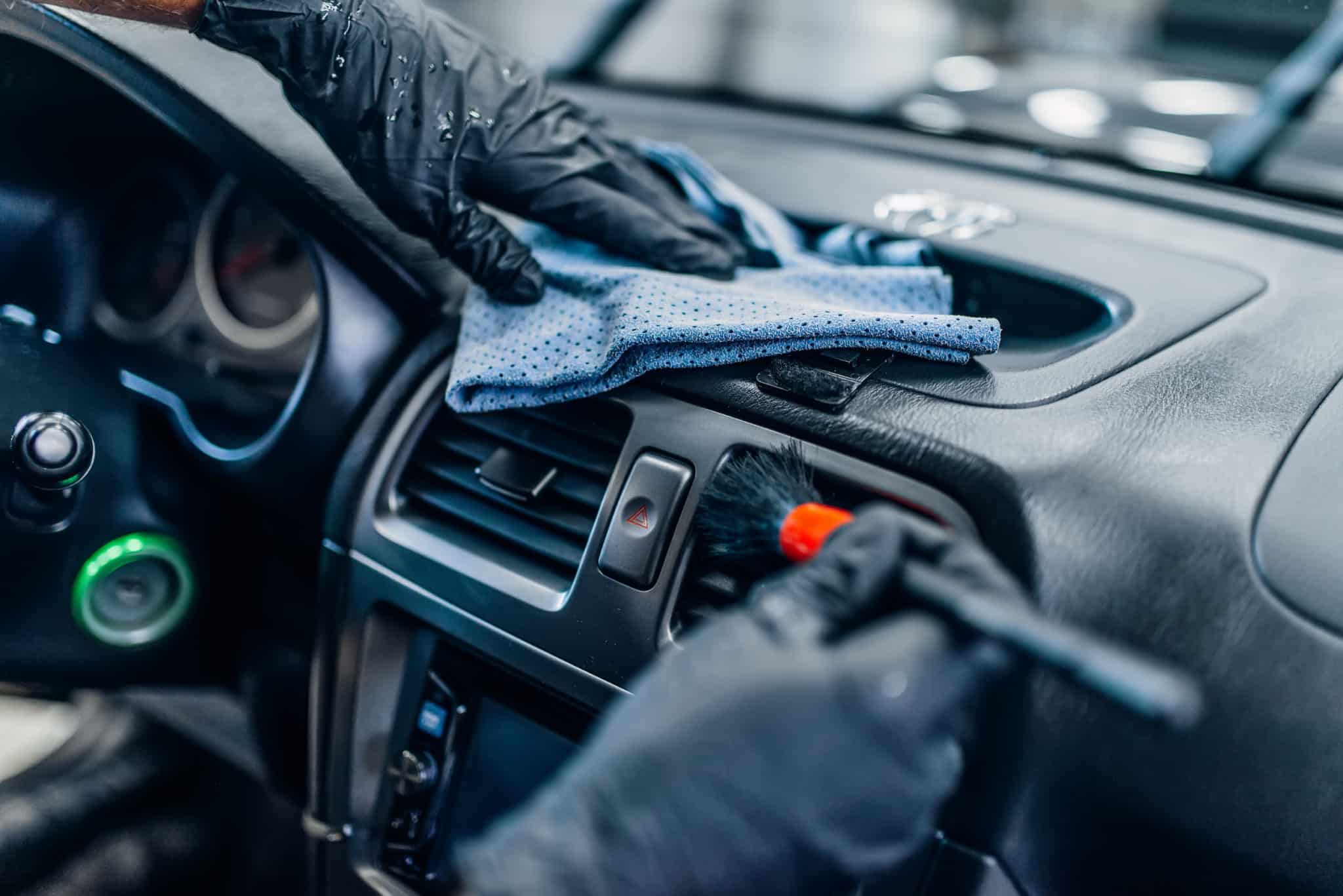
      Auto Detailing: A Complete Guide to Professional Vehicle Care

      • Posted by meh.riztech
      • Categories Blog
      • Date 9 September 2026
      • Comments 0 comment

      Keeping a vehicle clean is about more than making it look good. Regular washing removes surface dirt, but professional auto detailing takes vehicle care much further by addressing contamination, paint condition, interior wear, and small areas that are easy to overlook. A properly detailed vehicle can feel cleaner, look newer, and be easier to maintain between appointments.

      Many vehicle owners also confuse detailing with a standard car wash. The difference is in the level of attention and the techniques used. A car wash typically focuses on removing visible dirt, while detailing involves carefully cleaning, correcting, protecting, and restoring different surfaces throughout the vehicle.

      What Is Auto Detailing?

      Auto detailing is a comprehensive cleaning and maintenance process designed to restore and protect a vehicle’s interior and exterior. Depending on the vehicle’s condition and the owner’s goals, detailing can range from a basic deep clean to paint correction, ceramic coating preparation, leather conditioning, and other specialized services.

      Exterior detailing commonly includes washing, decontamination, wheel and tire cleaning, paint inspection, polishing, and protective treatments. Interior detailing can involve vacuuming, steam cleaning, carpet extraction, leather care, dashboard cleaning, and detailed treatment of areas such as vents, seams, cup holders, and door panels.

      The objective isn’t simply to make the vehicle shiny. Professional detailing should improve cleanliness and appearance without unnecessarily damaging delicate surfaces.

      A Step-by-Step Vehicle Detailing Process

      A good detailing job starts with an assessment rather than immediately reaching for cleaning products. The process should be adjusted according to the vehicle’s age, materials, paint condition, and level of contamination.

      1. Inspect the Vehicle

      Walk around the vehicle and identify issues before cleaning. Look for water spots, bird droppings, tree sap, road tar, scratches, oxidized paint, stained upholstery, damaged trim, and heavily soiled wheels.

      This inspection helps determine which products and techniques are appropriate. For example, an older vehicle with thin or oxidized paint may require a different approach than a newer vehicle with a healthy clear coat.

      2. Clean the Wheels and Tires

      Wheels often contain brake dust, road grime, and metallic particles that ordinary soap may not remove effectively. Clean the wheels before washing the main body because splashing dirty water onto freshly cleaned paint can create unnecessary work.

      Use a wheel cleaner appropriate for the wheel’s finish. Painted, powder-coated, polished, and chrome wheels may have different care requirements. Tires should also be scrubbed to remove accumulated dirt and old dressing.

      3. Wash the Exterior Safely

      A proper exterior wash should minimize the chance of introducing new scratches. Rinse loose contamination first, then use a quality automotive shampoo and a clean wash mitt.

      Work from the top of the vehicle downward because lower panels generally contain more dirt. Frequently rinse the mitt and avoid using household dish soap, which can be unnecessarily harsh for repeated automotive use.

      4. Decontaminate the Paint

      Even after washing, paint can feel rough because contaminants remain bonded to the surface. These may include industrial fallout, tar, tree sap, and other environmental debris.

      Chemical decontamination products can help dissolve specific contaminants, while a clay treatment can remove bonded particles when used correctly. The key is not to overdo the process. Decontamination should be performed when the paint actually needs it.

      5. Correct and Polish the Paint

      Polishing is where detailing can make a noticeable difference. Light oxidation, dullness, and certain minor defects can often be improved through machine polishing.

      However, polishing isn’t automatically appropriate for every scratch. Deep scratches that have penetrated significantly into the paint system may require professional refinishing. Aggressive polishing simply to chase every defect can remove unnecessary clear coat.

      6. Protect the Exterior

      Once the paint is clean and properly prepared, protection can be applied. Options include waxes, sealants, and ceramic coatings.

      The best choice depends on the owner’s expectations, maintenance habits, budget, and vehicle usage. Protection doesn’t make a vehicle maintenance-free, but it can make future cleaning easier and provide additional resistance against environmental contamination.

      Interior Detailing Requires Equal Attention

      A vehicle’s interior experiences constant contact with passengers, sunlight, food, dust, moisture, and everyday wear. Interior detailing should therefore go beyond vacuuming the carpets.

      Clean by Material

      Different surfaces require different approaches. Leather should be cleaned with products intended for leather rather than aggressive household cleaners. Fabric seats may require extraction or specialized stain treatment, while plastic and vinyl surfaces can usually be cleaned with an appropriate interior cleaner.

      Pay particular attention to high-touch areas such as steering wheels, door handles, gear selectors, armrests, and seat controls.

      Don’t Ignore Hidden Areas

      Some of the biggest differences between an average cleaning and a detailed interior are found in small areas. Door jambs, seat rails, air vents, cup holders, dashboard seams, and gaps around controls can collect significant amounts of dirt.

      Detail brushes and controlled amounts of cleaner can help reach these areas without soaking electronic components.

      Common Auto Detailing Mistakes

      One of the most common mistakes is using too much product. More cleaner or dressing does not necessarily mean better results. Excess product can leave greasy surfaces, attract dust, or create difficult-to-remove residue.

      Another mistake is using the same towel for every surface. A towel used on wheels should never be reused on delicate paint without proper laundering. Similarly, interior cleaning towels should be kept separate from heavily contaminated exterior towels.

      Working in direct sunlight can also create problems. Cleaning products can dry too quickly, making them harder to remove and potentially leaving spots or streaks.

      Finally, aggressive paint correction is often misunderstood. Removing every visible imperfection isn’t always the best goal. Preserving the vehicle’s remaining clear coat should be considered more important than achieving cosmetic perfection.

      Practical Tips for Better Results

      Start with clean equipment. Dirty wash mitts, brushes, and towels can transfer abrasive particles back onto the vehicle.

      Use separate tools for wheels, tires, exterior paint, and interior surfaces. Labeling towels by purpose can reduce accidental cross-contamination.

      Always read product instructions before use, especially when working with specialty coatings, leather, sensitive trim, or polished metal. When testing an unfamiliar product, try it on a small inconspicuous area first.

      Vehicle condition should also determine the detailing schedule. A daily-driven car parked outdoors may need more frequent cleaning than a weekend vehicle stored in a garage. Interior cleaning should be performed whenever dirt, spills, or odors begin accumulating rather than waiting until the cabin becomes heavily soiled.

      For example, a family SUV used for school runs may benefit from frequent vacuuming and spot cleaning, while a rarely driven sports car may need more attention to paint contamination and long-term surface protection.

      Conclusion

      Professional vehicle care is ultimately about using the right process for the right surface. Auto detailing combines careful cleaning, contamination removal, paint maintenance, interior care, and appropriate protection rather than simply making a vehicle look temporarily clean.

      The most effective approach is methodical: inspect the vehicle, clean safely, address specific problems, protect suitable surfaces, and maintain the results consistently. With proper techniques and realistic expectations, detailing can preserve a vehicle’s appearance while helping prevent avoidable wear over time.


      • Share:
      author avatar
      meh.riztech

      Previous post

      Murder Drones Characters Meet the Cast of the Dark Animated Series and Their Roles
      9 September 2026

      Next post

      Knights of Guinevere Character Sheets with Hero Profiles and Ability Guides
      9 September 2026

      You may also like

      Nursing Essay
      Why Am I Scoring Low on My Nursing Essay? 10 Common Mistakes and How to Improve?
      7 October, 2026
      IPTV Subscription vs. Cable TV: Which Is Higher?
      7 October, 2026

      Television has changed dramatically over the previous decade. Traditional cable TV was once the standard way to access entertainment, news, sports, and flicks, however internet-based television services have created new alternatives. One of the most popular options is an IPTV …

      Monthly vs. Yearly IPTV Subscription: Which Ought to You Choose?
      7 October, 2026

      Choosing an IPTV subscription usually comes down to more than just choosing a provider or channel package. One of the crucial necessary decisions is whether or not to pay monthly or commit to a yearly plan. Both options can provide …

      Leave A Reply Cancel reply

      Your email address will not be published. Required fields are marked *

      Search

      Blog Categories

      • Baby First Aid
      • Bez kategorii
      • Blog
      • Business
      • Design / Branding
      • Distance Learning
      • Fire Training
      • First Aid
      • First Aid at Work
      • First Aid For School
      • Health & Social Care
      • Mental Health Awareness
      • Paediatric First Aid
      • Uncategorized

      All Courses

      • Blended and E-Learning
      • Distance Learning
      • Fire Training
      • First Aid
      • Food Hygiene
      • Food Safety
      • Health & Safety
      • Health and Social Care
      • Manual Handling
      • Paediatric First Aid
      • Traditional Learning
      3 Day First Aid at Work

      3 Day First Aid at Work

      £1,395.00
      First Aid Annual Refresher

      First Aid Annual Refresher

      £375.00
      Blended 12 Hour Paediatric First Aid Course

      Blended 12 Hour Paediatric First Aid Course

      £695.00
      logo-eduma-the-best-lms-wordpress-theme

      07814170078

      info@fastresponsepfa.co.uk

      Menu

      • Testimonials
      • About Us
      • Blog
      • Contact
      • Gallery

      Copyright 2023 Powered by Fast Response PFA Ltd – Company Number 7993795