How to Find Cheap Dumpster Rental Options Without Sacrificing Service
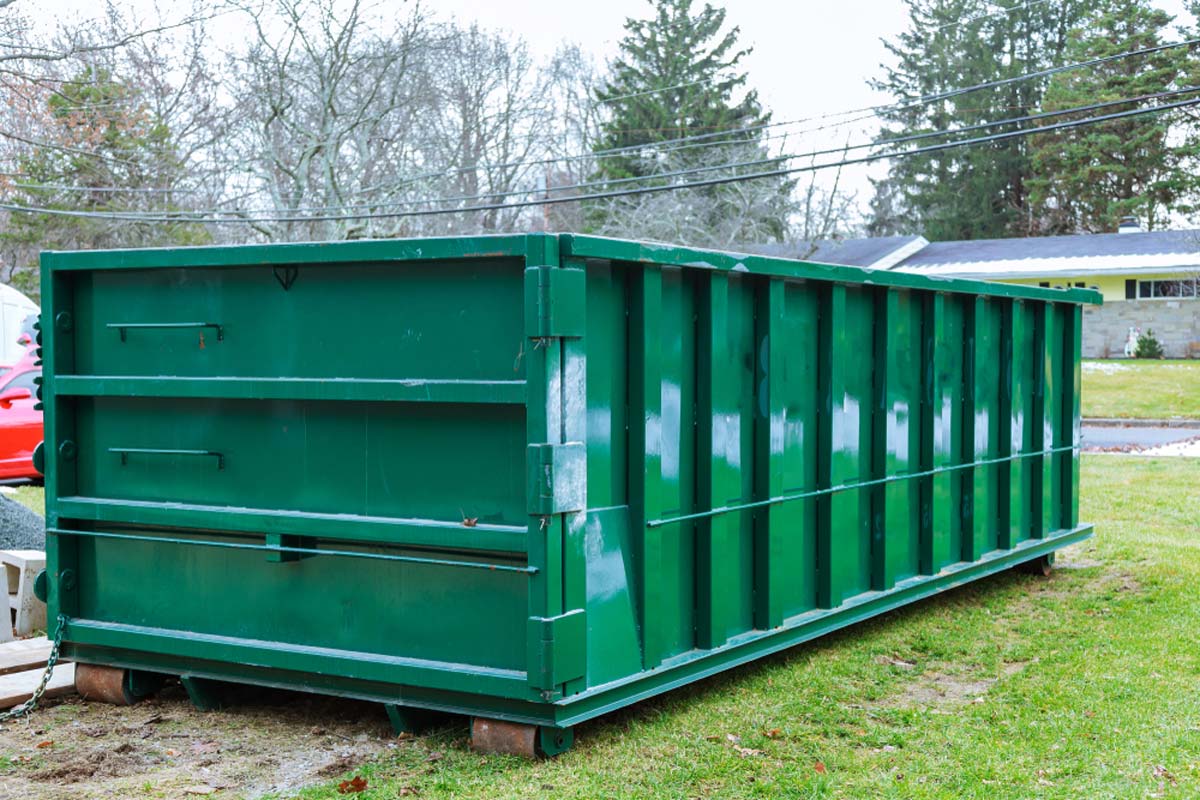
Finding an affordable dumpster rental sounds simple until the quotes start coming in. One company may advertise a low base rate, while another appears more expensive but includes delivery, pickup, disposal, and a more generous weight allowance. Choosing the cheapest number without understanding what is included can easily lead to unexpected fees.
The good news is that saving money does not necessarily mean choosing the lowest-quality provider. Whether you’re cleaning out a garage, remodeling a kitchen, clearing yard debris, or managing a larger construction project, you can find a cheap dumpster rental by comparing the complete service rather than just the advertised price.
The key is knowing what affects dumpster rental costs and asking the right questions before booking. A little research can help you avoid unnecessary charges while still getting dependable delivery, pickup, and waste disposal.
Understand What Determines Dumpster Rental Costs
Dumpster pricing typically depends on several factors, including container size, rental duration, waste type, location, disposal fees, and the amount of material you plan to throw away.
For example, a small 10-yard dumpster may be sufficient for a bathroom renovation, while a 20- or 30-yard container may be more practical for a whole-house cleanout. Renting a container that is too small can become expensive if you need a second delivery.
Weight is another important consideration. Some companies include a specific weight allowance in their quoted price and charge an additional fee when you exceed it. Others may use different pricing structures for certain materials.
Before comparing quotes, determine approximately how much waste you have and what type it is. Household junk, construction debris, concrete, soil, roofing materials, and yard waste may not be priced the same way.
Step-by-Step Strategy for Finding an Affordable Dumpster
1. Estimate the Amount of Waste
Start by making a realistic estimate of your project.
A garage cleanout might produce several truckloads of unwanted furniture, boxes, appliances, and miscellaneous items. A small remodeling project may generate less volume but considerably more weight because of materials such as tile, drywall, or flooring.
If you’re uncertain about the size, describe your project to the rental company. An experienced provider can often recommend an appropriate container based on the type and volume of debris.
2. Compare Total Prices, Not Starting Prices
A quote that says “$300” is not necessarily cheaper than one that says “$350.”
Ask both companies what the price includes. Specifically, check whether the quote covers:
- Delivery
- Pickup
- Disposal
- A specific rental period
- Weight allowance
- Taxes and environmental fees
- Fuel or service charges
- Additional-day charges
For example, Provider A might charge $300 but include only three rental days and a low weight limit. Provider B might charge $350 for seven days with a higher included weight allowance. For a longer project, the second option could actually cost less.
3. Ask About Rental Duration
Rental periods can significantly affect the final bill.
If you’re completing a weekend cleanup, a short rental period may be perfectly adequate. But if you’re renovating a home over several weeks, paying daily extension fees can quickly increase your total cost.
Ask how many days are included and what happens if you need the dumpster longer. Some companies offer reasonable extension rates, while others charge substantially more for additional days.
4. Choose the Right Dumpster Size
Choosing the smallest possible container is not always the best way to save money.
Suppose you’re removing old flooring and furniture from several rooms. A 10-yard container may initially look attractive because it costs less, but if everything does not fit, you’ll need another container.
On the other hand, choosing an oversized dumpster means paying for capacity you don’t need.
A good rule is to estimate your debris volume first and then choose a container with some extra capacity. You generally do not want to fill a dumpster beyond its permitted level.
5. Confirm What Materials Are Accepted
Different dumpster companies have different restrictions.
Commonly restricted items may include hazardous chemicals, certain electronics, tires, batteries, paint, and other regulated materials. Heavy materials such as concrete or soil may also have special requirements because dumpsters have weight limits.
Tell the provider exactly what you intend to dispose of before accepting the quote. This prevents a situation where the dumpster arrives but cannot legally be used for your particular waste.
Common Mistakes That Increase Dumpster Costs
One of the most common mistakes is focusing entirely on the advertised rental price. A low headline price can be misleading when additional charges are added later.
Another mistake is failing to understand weight limits. Construction and demolition materials can become surprisingly heavy. A dumpster filled with broken concrete, bricks, or roofing materials may reach its weight limit before it reaches its physical capacity.
Customers also sometimes underestimate how long their project will take. If a renovation is expected to last five days but delays stretch it to two weeks, extension charges can become a significant part of the final bill.
Placement is another overlooked issue. The dumpster needs to be positioned somewhere accessible to the delivery truck and safe for surrounding property. If the location is difficult to access, additional arrangements may be required.
Practical Tips for Getting Better Value
Get Multiple Quotes
Request quotes from at least three local providers when possible. Give each company the same information about your project so you can make a meaningful comparison.
Ask for the estimated total cost, rather than simply asking for the rental price.
Book According to Your Project Schedule
Don’t automatically rent a dumpster for the maximum available period. If you’re confident the cleanup will take four days, there may be little reason to pay for several additional days.
At the same time, avoid booking too short a period when your project involves unpredictable work. A slightly longer rental can sometimes be cheaper than repeated extensions.
Ask About Weight Before Loading
If your project involves heavy debris, ask how weight is calculated and what the included allowance is.
For example, removing cabinets and drywall is generally different from disposing of large quantities of concrete. Knowing this before delivery allows you to select a container and pricing structure appropriate for the material.
Prepare the Drop-Off Area
Clear the area before the dumpster arrives. Make sure vehicles, equipment, branches, and other obstacles do not prevent safe placement.
If the container must be moved because the original location was inaccessible, you may face additional charges or scheduling problems.
Don’t Sacrifice Reliability for a Tiny Price Difference
Saving $25 or $50 is not worthwhile if the dumpster arrives late, gets picked up unexpectedly, or creates problems during a time-sensitive renovation.
Look at the provider’s service policies, communication, availability, and reputation alongside the price. A reliable company that provides clear terms can offer better value than a company with a slightly cheaper quote but unpredictable service.
Conclusion
Finding an affordable dumpster rental is less about locating the lowest advertised price and more about understanding the complete cost of the service. Compare container sizes, rental periods, weight allowances, disposal charges, accepted materials, and potential additional fees before making your decision.
For example, a homeowner completing a garage cleanup might save money with a smaller container and short rental period, while someone handling a major renovation may benefit from a larger dumpster with a higher weight allowance.
The best approach is simple: estimate your waste, compare several complete quotes, understand the fine print, and choose a provider that offers dependable service at a reasonable overall price. That way, you can control your cleanup budget without creating unnecessary headaches.

You may also like
Food Wrapping Paper Trends Every UK Business Should Know

What Types of Wedding Transport Can You Hire?