
How to Choose an Infusion Center Near Me
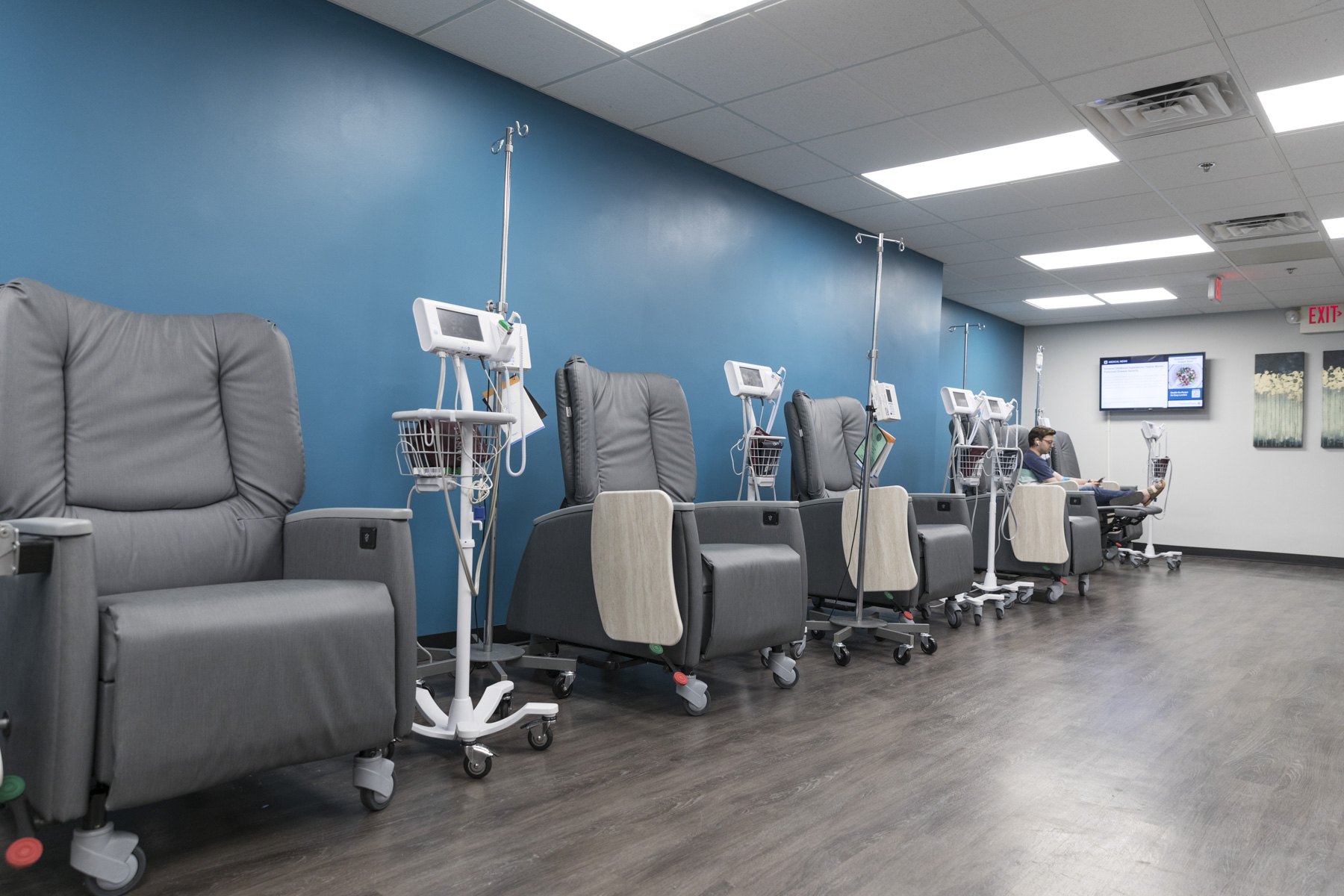
Finding the right infusion center can feel overwhelming, especially when you are already managing a condition that requires ongoing treatment. Unlike choosing a convenient clinic for a routine appointment, an infusion center may become part of your regular healthcare routine. Location, medical expertise, treatment capabilities, safety procedures, and patient support can all affect your experience.
When searching for an infusion center near me, it is easy to focus primarily on distance. Convenience matters, but the closest facility is not necessarily the best choice for your particular treatment. Taking a little time to compare centers can help you find a location that fits both your medical needs and practical circumstances.
What Is an Infusion Center?
An infusion center is a healthcare facility where medications or fluids are administered directly into a patient’s bloodstream, usually through an intravenous (IV) line. Some treatments may also be delivered through other routes depending on the medication and medical plan.
Infusion therapy is used for a wide range of conditions. Depending on the facility, treatments may include medications for autoimmune disorders, certain infections, neurological conditions, gastrointestinal diseases, immune deficiencies, and other chronic or complex conditions.
The treatment itself can take anywhere from a short appointment to several hours. Some patients visit occasionally, while others require regular sessions over an extended period. This makes the quality and environment of the facility particularly important.
A suitable infusion center should be able to provide the specific therapy prescribed by your healthcare provider and have appropriate clinical staff and monitoring procedures in place.
How to Choose the Right Infusion Center
Choosing an infusion center should be treated as a healthcare decision rather than simply a location search. Consider these factors before scheduling your first appointment.
1. Confirm That the Center Provides Your Treatment
Start with the most important question: does the facility administer the medication you need?
Not every infusion center offers every type of therapy. Some specialize in particular conditions or medications, while others provide a broader range of infusion services.
Ask the center:
- Do you administer my prescribed medication?
- Do you work with my prescribing physician?
- How often is this treatment available?
- Does the facility handle the dosage and monitoring requirements for my medication?
For example, if your doctor has prescribed a biologic medication that requires observation after administration, confirm that the center routinely handles that specific therapy.
2. Evaluate the Medical Staff
Infusion therapy requires trained healthcare professionals who understand the medications being administered and how to respond if a patient experiences a reaction.
Ask who will administer your treatment and what type of clinical supervision is available. Depending on the treatment, this could involve registered nurses, nurse practitioners, physicians, pharmacists, or other qualified healthcare professionals.
You should also determine what happens if you experience unexpected symptoms during treatment. A reputable facility should have established procedures for monitoring patients and responding to adverse reactions.
3. Check the Center’s Safety Procedures
Safety should be one of your highest priorities.
Before choosing a facility, ask about medication verification, patient monitoring, emergency procedures, infection-control practices, and how treatment records are maintained.
For certain medications, patients may need monitoring during and after an infusion. The center should explain what to expect instead of leaving you uncertain about the process.
A clean, organized environment and clear communication from staff are also positive indicators.
4. Consider Location and Travel Time
Convenience still matters, particularly if you will receive treatment regularly.
Think beyond the number of miles between your home and the center. Consider traffic, parking, public transportation, accessibility, and how long the complete journey takes.
For example, a center that is five miles away but requires an hour in heavy traffic may be less practical than one that is eight miles away with easy parking and predictable travel time.
If your treatment lasts several hours, reducing unnecessary travel can make repeated appointments considerably easier.
5. Understand Insurance and Out-of-Pocket Costs
Healthcare costs can vary significantly between facilities, even when the same medication is involved.
Before your first appointment, contact your insurance provider and the infusion center’s billing department. Ask whether the facility is in-network and whether prior authorization is required.
Also ask about:
- Copays and deductibles
- Coinsurance
- Medication coverage
- Facility fees
- Physician fees
- Prior authorization
- Financial assistance programs, if applicable
Do not assume that an insurance card automatically means the entire treatment will be covered.
6. Ask About Appointment Scheduling
Infusion therapy can involve lengthy appointments, so scheduling flexibility can make a meaningful difference.
Ask how far in advance appointments must be booked and whether the center offers morning, afternoon, or evening appointments. Find out what happens if you need to reschedule because you are sick or unavailable.
If you require recurring treatments, ask whether appointments can be scheduled in advance. Having predictable appointment times can make it easier to organize work, transportation, and other responsibilities.
Questions to Ask Before Your First Infusion
A short conversation with the center can reveal a lot about how the facility operates.
Consider asking:
- How long should I expect my first appointment to take?
- What should I bring with me?
- Can someone accompany me?
- What should I do if I develop symptoms before treatment?
- How are medication reactions handled?
- Will my prescribing doctor receive treatment updates?
- How are future appointments scheduled?
- Who should I contact if I have questions after leaving?
Take notes during the conversation. If different facilities provide substantially different answers, that information can help you compare them objectively.
Common Mistakes When Choosing an Infusion Center
One common mistake is choosing a facility solely because it appears first in an online search. Search rankings do not necessarily tell you whether a center is appropriate for your specific medical needs.
Another mistake is failing to verify insurance coverage beforehand. A patient may discover unexpected expenses after treatment has already been provided.
Patients can also underestimate travel requirements. An infusion appointment that takes several hours can become significantly more tiring when combined with a long commute.
Finally, do not hesitate to ask questions. Healthcare facilities are accustomed to patients wanting to understand their treatment arrangements. If staff members are unwilling or unable to explain basic procedures clearly, consider that when comparing your options.
Practical Tips for a Better Infusion Experience
Once you have selected a center, prepare for your appointments. Follow the instructions provided by your healthcare team regarding food, fluids, medications, and other preparation requirements.
Wear comfortable clothing that makes the treatment area easy to access. Bring something appropriate to occupy your time if your infusion is lengthy, such as headphones, a book, or a tablet.
Keep a record of your appointments and any symptoms you experience after treatment. If you notice something unusual, tell your healthcare provider rather than assuming it is insignificant.
It can also help to maintain a consistent schedule when possible. Regular appointments become easier to manage when they are incorporated into your normal routine.
Most importantly, remember that convenience should complement—not replace—clinical quality. The best choice is generally a center that can safely provide your prescribed therapy, communicates clearly with your healthcare team, works with your insurance situation, and is practical for you to visit.
Conclusion
Choosing an infusion center involves more than finding the closest facility. Treatment availability, qualified medical staff, safety procedures, insurance coverage, scheduling, and travel requirements should all be considered before making a decision.
Start by confirming that the center provides your prescribed treatment, then evaluate its clinical capabilities and patient experience. Ask direct questions about costs, monitoring, emergency procedures, and scheduling.
A thoughtful comparison can help you find an infusion center that supports your medical treatment while making recurring appointments as manageable and comfortable as possible.
