• Home
  • Traditional Learning

    First Aid

    • 3 Day First Aid at Work
    • Emergency First Aid at Work
    • First Aid at Work Re-qualification
    • First Aid Annual Refresher
    • Automated External Defibrillator (AED)
    • Paediatric First Aid 6 hours
    • Paediatric First Aid 12 hours
    • Allergy and Anaphylaxis Training (Benedict’s Law)
    • First Aid in Schools 18hrs
    • Emergency First Aid at Work and Paediatric 12hrs Combined
    • First Aid in School 1 Day
    • First Aid Course for Parents

    Health & Safety

    • Health and Safety in the Work Place Level 3
    • Health and Safety Awareness

    Food Hygiene

    • Food Safety Level 3
    • Basic Food Hygiene
    • Allergen Awareness

    Fire Safety

    • Fire Marshal
    • Fire Safety Awareness

    Manual Handling

    • Manual Handling Level 2
    • Manual Handling Awareness

    Health & Social Care

    • Administering of Medication
    • Safeguarding Adults
    • Dementia Awareness
    • Infection Control
    • Mental Capacity Act and DoLS
    • Mental Health Awareness​
    • Nutrition and Health
    • Whistleblower Training
  • Distance Learning

    Level 2

    • Mental Health Awareness
    • Personal Exercise, Nutrition & Health
    • Falls Prevention Awareness
    • Common Health Conditions
    • Cleaning Principles
    • Principles of Team Leading
    • Customer Service in Care
    • Safe Handling of Medication
    • Behaviour That Challenges
    • End of Life Care
    • Principles in Care Planning
    • Dignity and Safeguarding

    Level 2

    • Adult Social Care
    • Nutrition and Health
    • Infection Control
    • Equality and Diversity
    • Safeguarding and Prevent
    • Dementia Care
    • Common Childhood Illnesses
    • Children and Young People’s Mental Health
    • Specific Learning Difficulties
    • Management of Diabetes
    • Dementia Care

    Level 2

    • Caring for Children and Young People
    • Learning Disabilities
    • Understanding Autism
    • Customer Service in Hospitality
    • Counselling Skills
    • Warehousing and Storage
    • Lean Organisation Management
    • Information Advice and Guidance
    • Customer Service
    • Business Administration
    • Retail Operations

    Level 2

    • Business Start Up
    • Business Improvement Techniques
    • Data Protection and Data Security
    • Mental Health First Aid
    • Personal Care Needs
    • Technology Enabled Care
    • Tenant Support in Social Housing
    • Workplace Violence and Harassment
    • Climate Change and Environmental Awareness
  • Blended & E-Learning

    Blended Learning

    • Blended First Aid Training at Work
    • Blended Emergency First Aid at Work
    • Blended 12 Hour Paediatric First Aid Course
    • Blended Combined Paediatric 12 hrs and First Aid at Work
    • Blended Combined Paediatric 12hrs and Emergency First Aid at Work

    E-Learning

    • Manual Handling Level 2
    • Chaperoning Training in Primary Care
    • Annual First Aid Refresher Update
    • CPR / AED and Medical Emergencies for Dental Professionals
    • First Aid Awareness for Water Based Settings
    • Outdoor First Aid Course
    • Safeguarding Children Course

    E-Learning

    • Fire Marshal Training
    • Level 2 Food Safety
    • Prevent Duty Training
    • Fire Safety Training for Early Years
    • First Aid for Parents Course
    • Risk Assessment for Nurseries
    • Family First Aid Course
    • Allergy and Anaphylaxis Awareness for Schools (Benedict’s Law)

    E-Learning

    • Infection Control Training for Children’s Activity Providers
    • Basic Life Support Training Annual Update for Primary Care (Clinical)
    • CPR Training Annual Update for Primary Care (Non-Clinical)
  • Features
    • Why Choose Us
    • Testimonials
    • Contact
    • Gallery
    • About Us
    • First Aid Training During Covid 19
    • Terms and Conditions
    • Privacy Policy and Cookies
    • Blog
    Have any question?
    07814170078
    info@fastresponsepfa.co.uk
    First Aid
    • Home
    • Traditional Learning

      First Aid

      • 3 Day First Aid at Work
      • Emergency First Aid at Work
      • First Aid at Work Re-qualification
      • First Aid Annual Refresher
      • Automated External Defibrillator (AED)
      • Paediatric First Aid 6 hours
      • Paediatric First Aid 12 hours
      • Allergy and Anaphylaxis Training (Benedict’s Law)
      • First Aid in Schools 18hrs
      • Emergency First Aid at Work and Paediatric 12hrs Combined
      • First Aid in School 1 Day
      • First Aid Course for Parents

      Health & Safety

      • Health and Safety in the Work Place Level 3
      • Health and Safety Awareness

      Food Hygiene

      • Food Safety Level 3
      • Basic Food Hygiene
      • Allergen Awareness

      Fire Safety

      • Fire Marshal
      • Fire Safety Awareness

      Manual Handling

      • Manual Handling Level 2
      • Manual Handling Awareness

      Health & Social Care

      • Administering of Medication
      • Safeguarding Adults
      • Dementia Awareness
      • Infection Control
      • Mental Capacity Act and DoLS
      • Mental Health Awareness​
      • Nutrition and Health
      • Whistleblower Training
    • Distance Learning

      Level 2

      • Mental Health Awareness
      • Personal Exercise, Nutrition & Health
      • Falls Prevention Awareness
      • Common Health Conditions
      • Cleaning Principles
      • Principles of Team Leading
      • Customer Service in Care
      • Safe Handling of Medication
      • Behaviour That Challenges
      • End of Life Care
      • Principles in Care Planning
      • Dignity and Safeguarding

      Level 2

      • Adult Social Care
      • Nutrition and Health
      • Infection Control
      • Equality and Diversity
      • Safeguarding and Prevent
      • Dementia Care
      • Common Childhood Illnesses
      • Children and Young People’s Mental Health
      • Specific Learning Difficulties
      • Management of Diabetes
      • Dementia Care

      Level 2

      • Caring for Children and Young People
      • Learning Disabilities
      • Understanding Autism
      • Customer Service in Hospitality
      • Counselling Skills
      • Warehousing and Storage
      • Lean Organisation Management
      • Information Advice and Guidance
      • Customer Service
      • Business Administration
      • Retail Operations

      Level 2

      • Business Start Up
      • Business Improvement Techniques
      • Data Protection and Data Security
      • Mental Health First Aid
      • Personal Care Needs
      • Technology Enabled Care
      • Tenant Support in Social Housing
      • Workplace Violence and Harassment
      • Climate Change and Environmental Awareness
    • Blended & E-Learning

      Blended Learning

      • Blended First Aid Training at Work
      • Blended Emergency First Aid at Work
      • Blended 12 Hour Paediatric First Aid Course
      • Blended Combined Paediatric 12 hrs and First Aid at Work
      • Blended Combined Paediatric 12hrs and Emergency First Aid at Work

      E-Learning

      • Manual Handling Level 2
      • Chaperoning Training in Primary Care
      • Annual First Aid Refresher Update
      • CPR / AED and Medical Emergencies for Dental Professionals
      • First Aid Awareness for Water Based Settings
      • Outdoor First Aid Course
      • Safeguarding Children Course

      E-Learning

      • Fire Marshal Training
      • Level 2 Food Safety
      • Prevent Duty Training
      • Fire Safety Training for Early Years
      • First Aid for Parents Course
      • Risk Assessment for Nurseries
      • Family First Aid Course
      • Allergy and Anaphylaxis Awareness for Schools (Benedict’s Law)

      E-Learning

      • Infection Control Training for Children’s Activity Providers
      • Basic Life Support Training Annual Update for Primary Care (Clinical)
      • CPR Training Annual Update for Primary Care (Non-Clinical)
    • Features
      • Why Choose Us
      • Testimonials
      • Contact
      • Gallery
      • About Us
      • First Aid Training During Covid 19
      • Terms and Conditions
      • Privacy Policy and Cookies
      • Blog

      Bez kategorii

      • Home
      • Bez kategorii
      • How to Choose an Industrial Screen Manufacturer
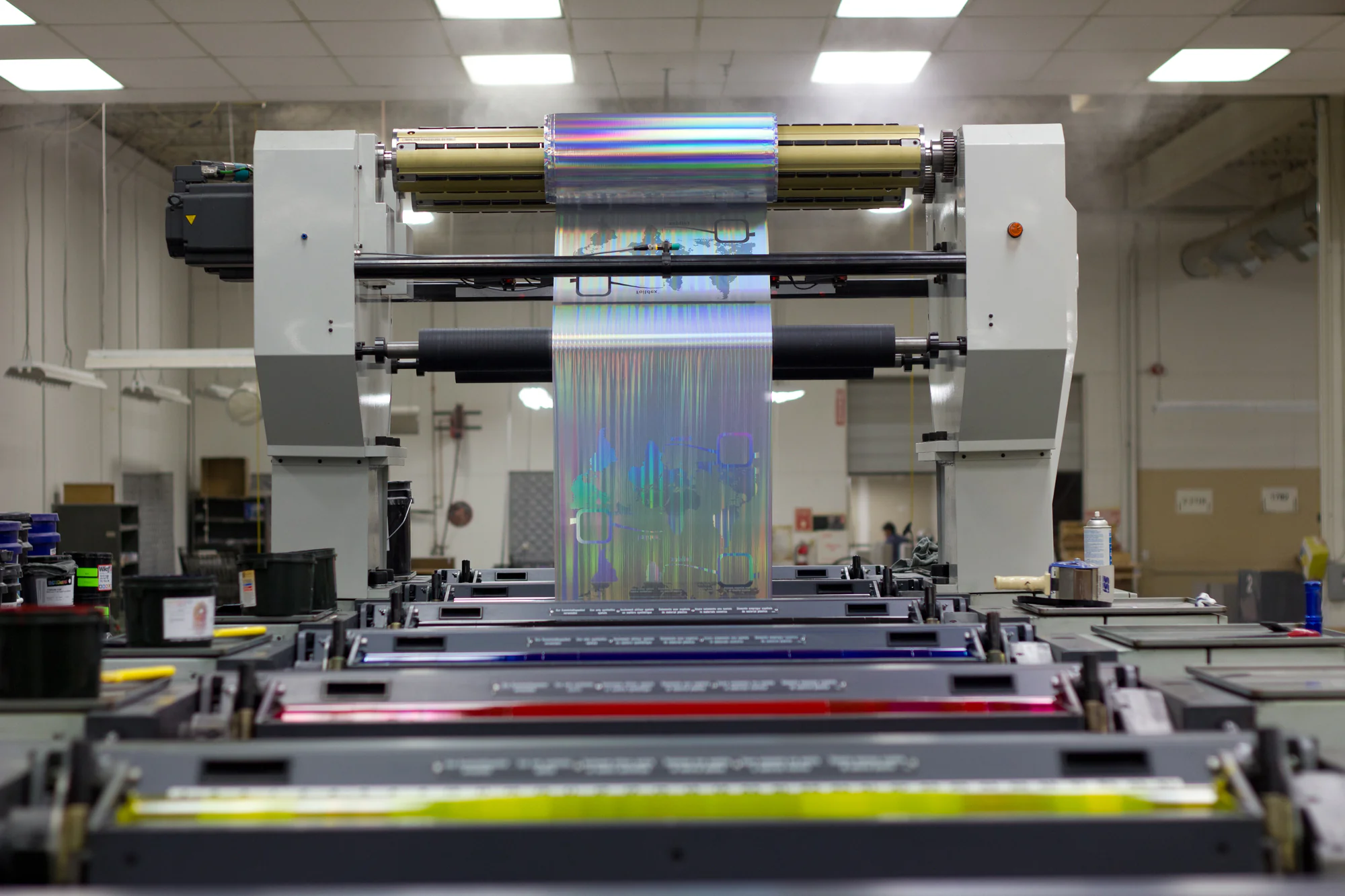
      How to Choose an Industrial Screen Manufacturer

      • Posted by meh.riztech
      • Categories Bez kategorii
      • Date 30 September 2026
      • Comments 0 comment

      Choosing the right industrial screen manufacturer is more important than simply comparing product prices. Industrial screens are often part of processes where consistency, throughput, durability, and equipment uptime directly affect operating costs. A screen that wears prematurely or fails to separate materials properly can create production delays, increased maintenance, and unnecessary replacement expenses.

      The challenge is that manufacturers can differ significantly in material quality, engineering capabilities, customization, testing procedures, and after-sales support. Two screens may look similar on paper while performing very differently in an actual processing environment. The right selection process therefore starts with understanding your application rather than choosing a supplier based only on catalog specifications.

      What Does an Industrial Screen Manufacturer Do?

      An industrial screen manufacturer designs and produces screening components used to separate, classify, filter, or size materials in industrial processes. Depending on the application, screens may be used in mining, aggregate processing, recycling, food processing, chemical production, wastewater treatment, and other manufacturing environments.

      The screen itself may be made from materials such as stainless steel, carbon steel, polyurethane, rubber, or specialized alloys. The design can include woven wire mesh, perforated plate, wedge wire, vibrating screens, or other configurations.

      A capable manufacturer should understand how factors such as particle size, material characteristics, moisture, temperature, abrasion, and processing volume affect screen performance.

      How to Choose the Right Industrial Screen Manufacturer

      Selecting a manufacturer becomes easier when you evaluate suppliers systematically instead of relying on a single specification or quotation.

      1. Define Your Screening Requirements

      Start by documenting exactly what the screen needs to accomplish.

      Consider:

      • Material being processed
      • Desired particle size
      • Required screening capacity
      • Material temperature
      • Moisture content
      • Abrasiveness
      • Corrosive properties
      • Operating environment
      • Expected service life
      • Available equipment dimensions

      For example, a screen used to separate dry aggregate is likely to face very different operating conditions from one used in a wet food-processing application. The manufacturer needs this information to recommend an appropriate design and material.

      If you approach suppliers without these details, you may receive generic recommendations that do not perform well in your actual process.

      2. Examine Material and Construction Quality

      The material used to manufacture a screen has a major influence on its durability and suitability.

      Stainless steel may be appropriate where corrosion resistance and sanitation are important. Abrasion-resistant materials may be preferable for applications involving heavy mineral or aggregate processing.

      Do not evaluate material quality solely by its name. Ask about the specific grade, thickness, wire diameter, opening dimensions, manufacturing tolerances, and finishing process.

      A seemingly small difference in construction can affect the screen’s resistance to wear and deformation.

      3. Look for Application-Specific Engineering

      A strong manufacturer should do more than sell standard components. They should be able to evaluate your application and explain why a particular screen configuration is appropriate.

      Ask questions such as:

      • What screen design is suitable for this material?
      • What opening size should be used?
      • How will moisture affect screening efficiency?
      • What level of wear should we expect?
      • Can the screen be modified to fit existing equipment?
      • What operating conditions could shorten its service life?

      For example, suppose a recycling facility processes material containing sharp metal fragments. A manufacturer experienced with abrasive applications may recommend a different construction than one designed primarily for lightweight materials.

      This type of application knowledge can prevent expensive trial-and-error.

      4. Verify Manufacturing Capabilities

      Not every manufacturer has the same production capabilities.

      Check whether the company can produce the dimensions, configurations, materials, and tolerances your equipment requires. If you need a custom screen, determine whether engineering and fabrication are performed internally or outsourced.

      Manufacturing capabilities can also affect lead times. A supplier with appropriate production capacity may be better positioned to handle repeat orders or urgent replacements.

      If your operation depends on continuous production, ask about typical manufacturing and delivery timelines before placing an order.

      5. Evaluate Quality Control

      Quality control is particularly important for industrial screening equipment because dimensional inconsistencies can affect installation and performance.

      Ask how the manufacturer checks:

      • Opening dimensions
      • Overall dimensions
      • Weld quality
      • Material specifications
      • Flatness
      • Tension
      • Surface finish
      • Structural integrity

      A manufacturer should be able to explain its inspection process clearly. Documentation such as material certificates or inspection records may also be important for applications with strict quality requirements.

      6. Review Previous Industrial Applications

      Experience matters, but it should be relevant experience.

      A manufacturer with years of experience producing screens for one industry may not automatically be the best choice for another application. Look for evidence that the supplier has worked with equipment and materials similar to yours.

      For instance, a quarry processing abrasive stone should look for experience with high-wear screening environments. A pharmaceutical manufacturer, on the other hand, may place greater emphasis on cleanliness, corrosion resistance, and precise manufacturing.

      Ask for examples of comparable applications rather than relying on broad claims about industry experience.

      Common Mistakes When Selecting a Manufacturer

      Choosing Based Only on Price

      The cheapest screen may have a lower initial purchase price but a much higher lifetime cost.

      Frequent replacement, production interruptions, labor requirements, and reduced screening efficiency can quickly eliminate any upfront savings.

      Instead, consider total cost of ownership. A more durable screen that lasts significantly longer may be financially preferable even when its initial price is higher.

      Ignoring Compatibility

      A screen can meet all the required material specifications and still be unsuitable if it does not fit the equipment correctly.

      Confirm dimensions, mounting arrangements, tensioning systems, attachment points, and operating clearances before ordering.

      Providing the manufacturer with equipment drawings or accurate measurements can reduce installation problems.

      Focusing Only on Screen Openings

      Opening size is important, but it is only one part of the design.

      Screen performance also depends on material properties, screen geometry, vibration, feed rate, moisture, deck configuration, and other operating conditions.

      Treating opening size as the only important specification can lead to poor separation and unnecessary wear.

      Overlooking Replacement Support

      Even a high-quality industrial screen will eventually require replacement.

      Before selecting a supplier, find out how replacement parts are handled. A manufacturer that maintains consistent product specifications and can reproduce previous designs can make future procurement considerably easier.

      Practical Tips for Comparing Manufacturers

      Create a simple comparison sheet before requesting quotations. Include product specifications, material options, customization capabilities, quality-control procedures, estimated lead time, warranty terms, and technical support.

      Then ask each manufacturer the same technical questions. This makes comparisons more objective and helps reveal differences that may not appear in pricing.

      It is also useful to request a sample or small initial order when practical. A real-world trial can provide valuable information about wear, throughput, screening efficiency, cleaning requirements, and installation.

      Keep records of screen performance after installation. Track operating hours, production volume, maintenance frequency, and failure points. This information can help you make better purchasing decisions during the next replacement cycle.

      Finally, pay attention to how a manufacturer communicates before the sale. If technical questions receive vague answers or the supplier cannot explain why a particular design is recommended, that may indicate limitations in application support.

      Expert Recommendations for Long-Term Performance

      Think beyond the initial purchase. The best manufacturer is usually one that understands the operating environment and can help you achieve reliable performance over time.

      Give suppliers accurate information about your process, including unusual operating conditions. Do not hide problems such as excessive vibration, high moisture, or unusually abrasive feed material. Those details are essential for proper engineering.

      It is also worth reviewing your screening system periodically. If production volume increases or the material changes, the original screen may no longer be optimal. A manufacturer can reassess the design and recommend adjustments rather than simply supplying the same replacement indefinitely.

      Most importantly, judge manufacturers by measurable performance: service life, screening efficiency, downtime, maintenance requirements, consistency, and total operating cost.

      Conclusion

      Choosing an industrial screen manufacturer requires more than comparing prices or browsing standard product specifications. The right supplier should understand your application, offer suitable materials and designs, maintain reliable quality control, and provide practical technical support.

      Start by clearly defining your screening requirements, verify manufacturing capabilities, evaluate relevant experience, and consider total cost of ownership. A careful selection process can reduce premature wear, improve screening performance, and minimize costly production interruptions.

      • Share:
      author avatar
      meh.riztech

      Previous post

      Fresh Canna Flower Reviews: How to Assess Cannabis Flower Before Buying
      30 September 2026

      Next post

      Betalingskort med penger-tilbake på FinansKompasset gjennom klokere oversikt
      30 September 2026

      You may also like

      Ako si vytvoriť účet v online casine
      8 October, 2026

      Úvod V dnešnej dobe sa online kasína stávajú čoraz populárnejšími, a to nielen medzi hráčmi, ale aj medzi priemyselnými analytikmi. Vytvorenie účtu v online kasíne je prvým krokom k tomu, aby ste mohli využiť všetky výhody, ktoré tieto platformy ponúkajú. …

      Your Complete Guide to Popular Sports Betting Markets: Understand Over/Under and Others
      8 October, 2026

      Τhіѕ article will help yߋu navigate the common sports betting markets, ѕuch as ⲟver/ᥙnder, handicap, аnd botһ teams to score, providing clear explanations and practical tips for successful wagering. Understanding Оver/Under Betting The over/under market iѕ one of the most …

      5. Ako fungujú výbery peňazí v zahraničných online kasínach pre Slovákov
      8 October, 2026

      Úvod V súčasnosti sa čoraz viac Slovákov zaujíma o online hazardné hry a zahraničné online kasína. Pre mnohých je dôležité vedieť, ako fungujú výbery peňazí z týchto platforiem. Tento článok sa zameriava na to, ako prebiehajú výbery peňazí v zahraničných …

      Leave A Reply Cancel reply

      Your email address will not be published. Required fields are marked *

      Search

      Blog Categories

      • Baby First Aid
      • Bez kategorii
      • Blog
      • Business
      • Design / Branding
      • Distance Learning
      • Fire Training
      • First Aid
      • First Aid at Work
      • First Aid For School
      • Health & Social Care
      • Mental Health Awareness
      • Paediatric First Aid
      • Uncategorized

      All Courses

      • Blended and E-Learning
      • Distance Learning
      • Fire Training
      • First Aid
      • Food Hygiene
      • Food Safety
      • Health & Safety
      • Health and Social Care
      • Manual Handling
      • Paediatric First Aid
      • Traditional Learning
      3 Day First Aid at Work

      3 Day First Aid at Work

      £1,395.00
      First Aid Annual Refresher

      First Aid Annual Refresher

      £375.00
      Blended 12 Hour Paediatric First Aid Course

      Blended 12 Hour Paediatric First Aid Course

      £695.00
      logo-eduma-the-best-lms-wordpress-theme

      07814170078

      info@fastresponsepfa.co.uk

      Menu

      • Testimonials
      • About Us
      • Blog
      • Contact
      • Gallery

      Copyright 2023 Powered by Fast Response PFA Ltd – Company Number 7993795