
Food Mylar Bags: A Practical Guide to Long-Term Food Storage
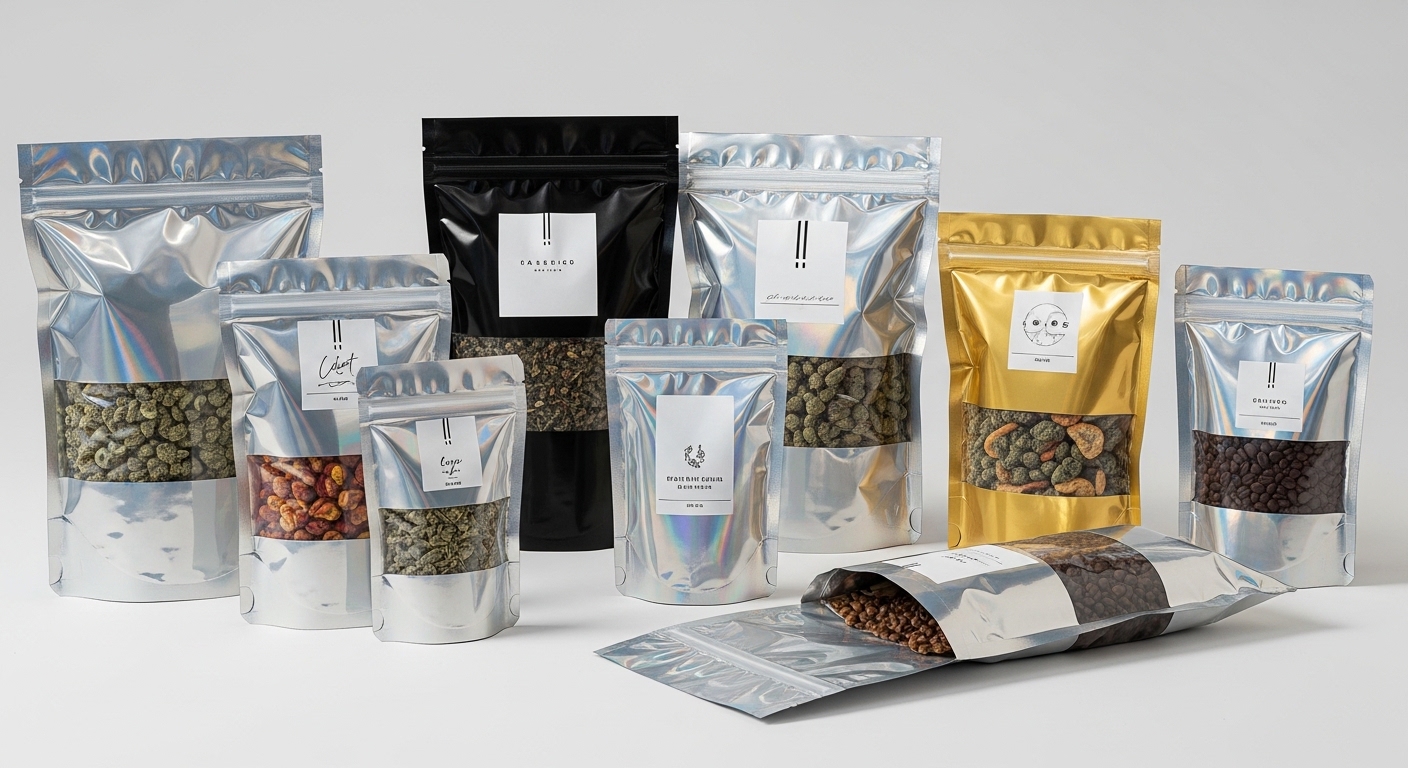
More food is destroyed by oxygen, moisture, light, and pests than by any other threats. Food mylar bags provide a reliable shield against all four for home cooks, small food producers and emergency planners. This guide covers the functionality of the material, foods that it can work with, and what to consider before making your purchase.
What Are Mylar Bags Made Of?
Mylar sheets are made with a film called oriented polyethylene terephthalate or BOPET. Manufacturers cover that film with an aluminum layer and an inner, heat-sealable layer, usually polyethylene. Such a construction prevents light and slows down the process of gas exchange much better than a simple plastic bag.
Materiality is less important than thickness. Most bags are between 3.5 and 7 mil, with 1 mil being 1000 th of an inch. Thin bags are used for snacks and short-term storage, while bags with 5 mil or more resist punctures from objects like dried pasta and beans.
Food Mylar Bags Extend Shelf Life
Oxygen comprises approximately 21 percent of air and oxygen promotes rancidity, staling and insect growth. When you place dry food in custom food mylar bags with an oxygen absorber, the latter can reduce the amount of oxygen to less than 0.1 percent. This change prevents the hatching of most insect eggs and slows down fat oxidation by a big factor.
The aluminum layer also prevents almost all visible light and this helps to preserve vitamins and avoid color loss. Lots of food storage books state that when white rice, dried beans and wheat are packed properly, they can remain edible for 20 and 30 years. Actual performance is determined by the storage temperature and low rooms with below 70F temperature prolong shelf life to the greatest extent.
Which Foods Store Best in Mylar?
Foods that are dry and not moist are more effective. For example: wheat berries, white rice, salt, oats, pasta, sugar and freeze-dried foods.
Some foods require additional care or alternative containers:
- The oils found in brown rice, nuts, and whole-grain flours rancidize in months, even when they are in the absence of oxygen.
- Fresh foodstuffs, meat and wet foods create a low-oxygen environment that allows the growth of bacteria that’re dangerous such as Clostridium botulinum.
- Foods that are soft and sticky such as brown sugar might harden in airtight bags.
How Do You Seal Mylar Bags Correctly?
Follow these steps:
- Pack the bag and leave a headspace of about two inches.
- Insert an oxygen absorber.
- Knead and squeeze out excess air.
- Using an impulse sealer or a hair straightener to close the top. Seal to half an inch in width.
- After 24 hours, check the bag. A rather narrow, brick-like sensation indicates that the absorber is functioning.
Open the absorber packet and start working as soon as possible since absorbers begin to draw oxygen out of room air in minutes.
What Are Custom Food Mylar Bags?
Custom food mylar bags have printed graphics, ingredient panels and brand colors on the film. Small coffee, granola, spices, and protein powder manufacturers are dependent on them to integrate shelf security and retail display. Minimum order quantities are usually in the 500-5,000 range; digital printing reduces minimums in comparison to plate printing.
What Should You Know About Custom Mylar Packaging Bags?
Numerous shapes and sets are available for custom Mylar packaging bags. Stand-up pouches are well displayed on shelves; flat pouches are used in single servings; gusseted bags contain bulk products. Zippers allow customers to re-close, tear notches can be easily opened and clear windows display the product.
Find out what feature matches the food. An example is fresh-roasted coffee where carbon dioxide is given out a few days after roasting, therefore, such bags must have a one-way degassing valve otherwise it swells.
Are There Rules for Mylar Bags in USA?
Any mylar bags used in USA that come in contact with food should comply with the Food and Drug Administration food-contact material requirements in Title 21 of the Code of Federal Regulations. Established suppliers should give a written statement of compliance when requested and buyers need to request the statement before ordering.
Labeling rules are applicable too. Packaged foodstuffs should include the contact information of the producer of the food, net weight and ingredients. They also have to report on any of the nine major allergens, including sesame.
Final Thoughts
Mylar packaging is effective for a number of reasons, most notably being extremely difficult to pierce and extremely easy to use; simply just pick up the dry food, remove the oxygen and close it up tight. The major causes of food spoilage are moisture, light and air, and a properly sealed food mylar bag will protect the food from these. You should test one bag using a small amount of rice or oats before undertaking a large project. Sealed bags in a cool dark, pest free bucket with the contents and packing date on the bag are best.
