How Retort Pouches Support Modern Food Packaging
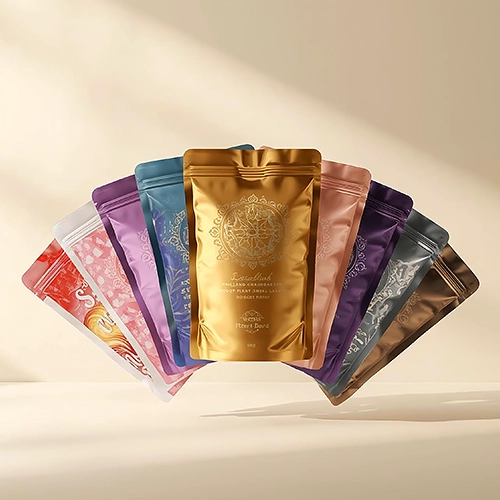
Food packaging has evolved significantly as businesses look for solutions that can protect products while making storage, transportation, and consumption more convenient. Traditional cans and glass containers remain useful for many applications, but flexible packaging has introduced additional options for products that require heat processing and extended shelf stability. Custom retort pouches are one such packaging format, offering a flexible alternative for a variety of processed food products.
These pouches are designed to withstand the high temperatures and pressure involved in retort processing. During this process, sealed food packages are exposed to controlled heat and pressure to achieve commercial sterilization. Retort packaging therefore requires carefully selected materials, strong seals, and a structure that can maintain its integrity during processing.
What Are Retort Pouches?
A retort pouch is a flexible package made from multiple layers of heat-resistant materials. Each layer can perform a different function, such as providing strength, protecting against oxygen and moisture, supporting heat sealing, or creating a suitable surface for printing.
Many retort pouch structures use combinations of polyester, aluminum foil, polypropylene, nylon, or other barrier materials depending on the product and processing requirements. The inner layer is generally selected for food contact and sealing, while outer layers provide protection and printing capabilities.
Unlike ordinary flexible pouches, retort pouches need to maintain their structure during demanding thermal processing conditions. This makes material selection particularly important when developing packaging for heat-processed products.
How Retort Processing Works
The basic retort process begins with filling the product into a suitable pouch. The package is then sealed and placed inside a retort, which is a pressure vessel used for controlled thermal processing.
Heat and pressure are applied to the sealed package according to a process developed for the specific food product and packaging format. Typical retort conditions can reach approximately 115–121°C, although the exact process depends on factors such as product characteristics, package size, formulation, and required safety parameters.
Because retort processing is a food-safety operation, the thermal process must be properly established and controlled. Packaging materials and seals must also be capable of withstanding the processing environment without losing their required performance.
Why Businesses Use Retort Pouches
One major advantage of retort pouches is their thin and flexible structure. Compared with rigid metal cans, the flatter shape can allow heat to move through the package efficiently during processing. This can contribute to shorter processing requirements for some products while supporting product quality.
Retort pouches can also be lighter and easier to handle than many rigid packaging formats. Their flexible structure can reduce the amount of space required for empty packaging and can make finished products easier to transport and store.
For consumers, the lightweight format can make products more convenient to carry. Depending on the product and pouch design, some retort foods can also be reheated or served conveniently after opening.
Protection Against External Factors
Food products can be affected by oxygen, moisture, light, and other environmental factors. Retort pouch structures can incorporate barrier layers designed to help control the movement of these elements.
Aluminum foil, for example, can provide a strong barrier against oxygen, light, moisture, and aroma. Other foil-free barrier structures may use specialized coatings or films where product visibility or other requirements are important.
The appropriate barrier structure depends on the product. A business should consider factors such as moisture sensitivity, oxygen sensitivity, fat content, acidity, expected shelf life, storage conditions, and thermal processing requirements before selecting the pouch material.
Food Products Commonly Packed in Retort Pouches
Retort packaging is used for many types of processed food products. Common applications include ready-to-eat meals, soups, sauces, rice, curries, meat products, seafood, vegetables, and other foods that require thermal processing.
The format can be particularly useful for products that need to remain shelf-stable without refrigeration when processed and packaged according to appropriate food-safety requirements.
Different food products require different packaging structures. A pouch suitable for a liquid sauce may not have the same material or dimensions as one designed for a solid meal. Businesses should therefore develop packaging according to the actual product and processing method rather than selecting a pouch based only on appearance.
Different Retort Pouch Designs
Retort pouches can be produced in different formats depending on how the product will be stored, displayed, and consumed. Flat pillow-style pouches are one common format, while gusseted designs can provide a wider base and allow the package to stand upright.
A standing format can provide additional shelf visibility and may make the package easier for consumers to handle. Flat formats, on the other hand, can be useful where compact storage and transportation are priorities.
The appropriate structure depends on the product’s weight, filling method, shelf presentation, storage requirements, and customer expectations.
Importance of Strong Seals
Seal integrity is one of the most important considerations in retort packaging. A pouch may contain an appropriate barrier structure, but the package still needs reliable seals to maintain its integrity during processing, transportation, storage, and use.
The sealing system needs to be compatible with the pouch material and processing conditions. Businesses should evaluate seal strength, seal width, filling equipment, and potential contamination around the sealing area.
Testing is particularly important because thermal processing exposes the pouch to significant temperature and pressure changes. Proper packaging development can help identify potential weaknesses before commercial production.
Custom Printing and Brand Presentation
Although performance is the primary concern for retort packaging, visual presentation also matters. Flexible pouches provide printable surfaces where businesses can display logos, product names, graphics, nutritional information, instructions, and other relevant details.
A consistent design can help products become easier to recognize on retail shelves. Businesses may use colors, typography, illustrations, and other branding elements to create a packaging system that works across multiple products.
For food companies with several flavors or product varieties, a consistent design structure can help customers quickly identify different products while still recognizing the overall brand.
Retort Pouches for Ready-to-Eat Products
The demand for convenient food products has created opportunities for packaging formats that are easy to store, transport, and prepare. Ready-to-eat meals are one example where retort pouches can provide a practical combination of shelf stability and convenience.
Products such as rice dishes, curries, soups, sauces, and prepared meals can be packaged in formats designed around portion size and intended consumption.
The lightweight nature of flexible packaging can also be useful for products intended for travel, outdoor activities, emergency food supplies, or other situations where reducing packaging weight and bulk can be beneficial.
Storage and Transportation Benefits
Packaging affects more than the product itself. Businesses also need to consider how finished goods will be stored and transported before reaching customers.
The relatively thin profile of retort pouches can help reduce storage space compared with some rigid containers. Their lower weight can also be beneficial during transportation, although the complete shipping requirements depend on the product, case configuration, and distribution system.
Packaging should still be protected from punctures, excessive compression, and other forms of physical damage. Flexible does not mean indestructible, so suitable secondary packaging and handling procedures remain important.
Choosing the Right Retort Pouch
Businesses should evaluate several factors before selecting a retort pouch. Product characteristics should be considered first, followed by the required processing conditions and expected shelf life.
Other factors may include:
- Pouch size and capacity
- Material and barrier structure
- Seal requirements
- Retort temperature and pressure
- Filling method
- Product viscosity or texture
- Storage conditions
- Printing requirements
- Transportation and handling
- Customer opening and usage experience
Testing the packaging with the actual product is an important part of the selection process. A pouch that performs well with one food product may not necessarily be appropriate for another.
Sustainability Considerations
Packaging sustainability is becoming increasingly important for businesses and consumers. Flexible products packaging can offer certain material and transportation advantages because of its lightweight structure, but sustainability should be evaluated across the complete packaging lifecycle.
The multilayer construction that gives retort pouches their barrier and heat-resistant properties can also make recycling more complicated in some waste-management systems. Businesses should therefore consider available recycling infrastructure, material choices, production requirements, transportation, and product waste when evaluating packaging options.
The goal should be to balance product protection and food safety with responsible material and packaging decisions.
Final Thoughts
Retort pouches provide a practical packaging option for many heat-processed and shelf-stable food products. Their flexible structure, barrier properties, lightweight format, and ability to withstand controlled thermal processing make them a useful alternative to some traditional rigid containers.
However, successful retort packaging requires more than choosing an attractive pouch. Material structure, seal integrity, processing conditions, product characteristics, storage requirements, and transportation all need to work together.
For food businesses, selecting the right retort packaging can help support product protection, convenient handling, efficient storage, and professional shelf presentation. With appropriate testing and packaging development, retort pouches can provide a flexible solution for modern food products while meeting the practical demands of both businesses and consumers.
Tag:products

You may also like

How to Choose the Right Curtain Installation Company in Dubai