
How Do Emergency Shelters Help People in Crisis?
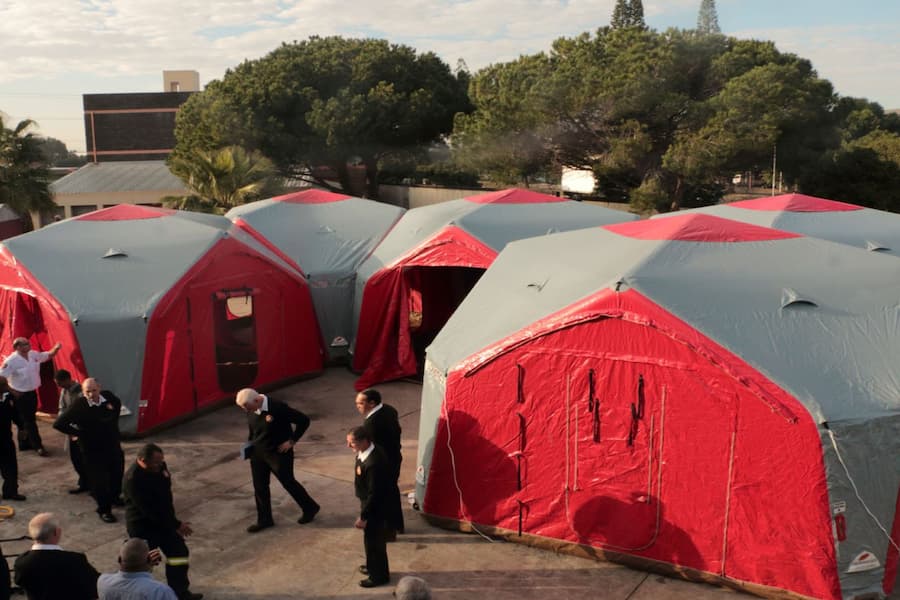
When people unexpectedly lose housing, safety, or access to essential resources, finding a safe place to sleep becomes an urgent concern. Crises, whether resulting from conflict, natural disasters, displacement, or severe weather events, can disrupt everyday life, and emergency shelters serve as a crucial resource during such times. Emergency shelter donations help organisations provide safe environments, bedding, nourishment, clean drinking water, and essential supplies to people with no other options. More than a roof, suitable shelter can restore dignity, offer stability, and be the first step toward rebuilding one’s life.
A Secure Location Amidst Uncertainty
A crisis can transform regular activities into seemingly insurmountable challenges. Families might find themselves separated from their homes without prior warning, leaving them with no safe options for overnight stays. Emergency shelters deliver instant protection from hazardous environments.
They offer refuge from harsh weather, conflict-related risks, overcrowded areas, and other dangers. For children, the elderly, and those with disabilities, having a safe location to reside can be especially crucial. A secure environment gives families the time they need to heal physically and emotionally while they consider longer-term solutions.
Beyond Just Roofs and Walls
A shelter offers little value simply by having a roof overhead. Individuals arriving post-crisis often need basic items that make the space genuinely livable. Shelter organisations may provide mattresses, blankets, sleeping bags, clothing, hygiene products, lighting, cooking utensils, and other essentials. These simple provisions can profoundly impact someone who has endured significant loss. With access to a clean, reasonably comfortable environment, people can prioritise other pressing needs without the constant anxiety of where they will sleep.
Keeping Families United
Displacement can be daunting, especially for parents with young children. Emergency shelters can offer settings where families can stay together rather than being compelled to seek separate housing. Maintaining family unity can provide emotional comfort during an exceptionally challenging time. Parents are able to uphold routines, while children have familiar faces present around them. Some shelters also create designated zones for children, giving them chances to play, learn, or simply experience a few moments of normalcy amid the crisis.
A Crucial Resource for Essential Services
Emergency shelters can also function as vital hubs for delivering various types of humanitarian aid. After individuals are safely housed, organisations can link them to food supplies, clean water, medical care, sanitation facilities, and essential information. This transforms shelters from short-term housing into practical centres where different services can reach people who might otherwise be hard to assist. In large-scale crises, organised shelter systems can also aid humanitarian teams in identifying urgent needs and prioritising assistance for those most vulnerable.
Restoring Some Human Dignity
Experiencing homelessness can lead to a loss of privacy, autonomy, and a sense of control. While emergency housing cannot replace all that has been lost, it can help restore essential dignity. A secure sleeping area, clean clothes, personal care items, and access to private or family spaces might seem insignificant.
Yet, for individuals enduring a crisis, they hold profound significance. Shelter assistance infused with care and empathy reassures those displaced that their existence is valued. Humanitarian aid includes more than the essentials for survival; it emphasises treating people with dignity during one of their most challenging times.
Assisting Individuals in Moving Past Survival
Emergency shelters typically function as short-term solutions, but their influence can persist beyond the acute crises. When individuals find a secure place to stay, they can start to contemplate their next steps. They might need help finding stable housing, reconnecting with family members, obtaining new identification documents, accessing educational opportunities, returning to work, or seeking medical and mental health care.
Thus, shelters can act as a conduit linking immediate survival needs with the path toward long-term healing. The objective is not merely to provide a roof over heads but to support individuals in regaining their footing and ultimately reconstructing their lives.
Conclusion
Contributing to emergency shelter initiatives can have tangible, immediate effects. Contributions may enable organisations to set up accommodations, acquire necessary supplies, maintain facilities, and respond swiftly to new emergencies. For those experiencing displacement, a shelter may signify much more than mere short-term lodging. It can offer a restful environment, a secure haven for children, a place where families can remain united, and a foundation from which hope and stability can slowly be restored.
Visit fastresponsepfa for more informative blogs.
