Howlin Knitwear Ideas for More Natural and Relaxed Layering
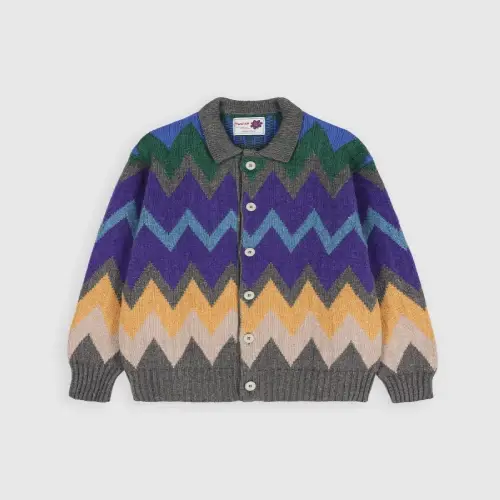
Getting dressed in cooler weather does not have to mean wearing several heavy pieces at once. A comfortable outfit often comes together through simple layers, soft fabrics, and colors that work well together. A sweater over a T-shirt, a light jacket with relaxed trousers, or a knit worn beneath a coat can create a natural look without much effort. Howlin Knitwear offers plenty of inspiration for this style of dressing, with textured knits and expressive colors that can add character to everyday clothing.
Relaxed layering is about finding the right balance between comfort, warmth, and personal style. Each piece should feel natural with the others rather than looking like it was added just to complete an outfit. This approach works well for daily life in the United States, where changing temperatures can call for different clothing throughout the day. With a few dependable garments, anyone can build outfits that feel comfortable at home, during a city walk, or on a casual weekend outing.
1. Start with Simple Layers for Everyday Comfort
A natural layered outfit begins with clothing that feels good on its own. There is no need to start with a complicated combination. A plain T-shirt, a comfortable sweater, and a relaxed pair of trousers can provide a useful starting point for many occasions.
Choose a Comfortable Base Layer
The base layer sits closest to the skin, so comfort should come first. Cotton T-shirts, lightweight long-sleeve tops, and simple shirts work well beneath knitwear. Neutral shades such as white, gray, cream, and navy make it easier to combine different pieces.
A clean white T-shirt beneath a textured sweater creates a casual appearance without adding too much visual detail. Letting a small section of the T-shirt show near the neckline can make the outfit feel less formal. For a slightly more put-together look, a cotton button-up shirt offers a neat alternative.
The fit of the base layer also matters. A slim or regular-fit T-shirt can sit comfortably beneath a roomier sweater without creating unwanted bulk. If the outer knit has a relaxed shape, a simple base keeps the overall outfit balanced.
Keep the Number of Layers Practical
Wearing more clothes does not always mean staying more comfortable. Two or three well-chosen layers often work better than several thick garments. Start with a light top, add a sweater, and finish with a jacket or coat when the weather calls for it.
This method makes it easier to adjust throughout the day. You can remove the outer layer when entering a warm building and put it back on when heading outside. Each piece should serve a clear purpose while working with the rest of the outfit.
2. Use Knitwear Texture to Add Character
Texture can make a simple outfit feel more personal. Even when the colors stay neutral, different fabrics create contrast and give the clothing more depth. Knitwear works especially well for this because its surface can range from smooth and fine to thick, fuzzy, or visibly patterned.
Mix Smooth and Textured Fabrics
One easy way to build a relaxed outfit is to pair a textured sweater with smooth cotton trousers or denim. The difference between the materials creates visual interest without requiring bright colors or bold prints.
For example, a wool-blend knit can work well with straight-leg jeans and a plain T-shirt. The sweater provides texture, while the denim keeps the outfit familiar and easy to wear. A smooth cotton jacket can add another layer without making the combination look too busy.
Let One Piece Stand Out
When an outfit includes several different textures, it helps to give one garment the main role. A chunky sweater can become the center of the look, while the other pieces remain simple.
Try pairing a patterned knit with dark jeans, a plain base layer, and understated sneakers. If the sweater has a more pronounced texture, choose trousers with a smooth finish. This keeps the outfit comfortable to look at and easy to wear.
The same idea works with outerwear. A textured cardigan can sit beneath a simple coat, allowing the knit to show through without competing with another heavily detailed garment.
3. Build Relaxed Outfits Around Color
Color has a major effect on how layered clothing looks and feels. A thoughtful combination can make everyday pieces work together, even when they come from different parts of your wardrobe. Natural layering often works best when the colors complement each other instead of competing for attention.
Work with Neutral Shades
Cream, beige, brown, gray, navy, and black offer a reliable starting point. These colors pair well with denim and make it easier to repeat favorite garments in different outfits.
A cream sweater with brown trousers creates a warm combination for autumn. A gray knit with black jeans offers a quieter option for daily wear. Navy knitwear can sit comfortably with light-wash denim, especially when a white or gray T-shirt completes the base.
Neutral clothing does not have to feel plain. Different shades of the same color can create a layered effect without relying on strong contrast. A light gray top, a charcoal sweater, and dark trousers can form a balanced outfit with very little effort.
Add Color in Small Amounts
If you enjoy colorful clothing, knitwear offers a simple way to introduce it. A sweater in rust, forest green, mustard, or blue can bring life to an outfit built around familiar basics.
Keep the other layers quiet when wearing a more colorful knit. Dark denim, neutral trousers, and plain footwear allow the sweater to stand out without making the outfit feel overly planned.
You can also repeat a small color from the sweater in another part of the outfit. A brown knit, for instance, may work with tan footwear or a jacket in a related shade. The colors do not need to match exactly. A loose connection is often enough to make the combination feel natural.
4. Layer Knitwear with Denim and Casual Trousers
Denim and casual trousers are useful partners for knitwear because they bring a familiar shape to relaxed outfits. The right pair of trousers can balance a loose sweater and make the combination suitable for different parts of everyday life.
Pair Sweaters with Everyday Denim
Jeans work with many types of knitwear, from fine-gauge sweaters to heavier patterned styles. Straight-leg and relaxed-fit jeans are particularly useful when you want an outfit that feels easy rather than formal.
A textured knit with medium-wash denim creates a comfortable weekend look. Dark jeans offer a slightly neater appearance and work well with brown, gray, or navy sweaters. For warmer afternoons, wear the sweater over a lightweight T-shirt and carry a jacket for later.
Pay attention to the proportions. A roomy sweater can work well with straight or gently tapered jeans, while a closer-fitting knit leaves more room for wider trousers. Neither approach needs to follow a strict rule. The aim is to create a shape that feels comfortable and looks balanced.
Try Chinos and Relaxed Cotton Pants
Jeans are not the only option for everyday layering. Chinos and relaxed cotton trousers provide a softer alternative that can make knitwear look a little more refined without losing its casual feel.
Beige chinos pair naturally with cream, navy, brown, and green sweaters. Olive trousers can work with gray or off-white knitwear, while black cotton pants offer a simple base for brighter colors.
These combinations suit casual office settings, coffee meetups, and days when you want to look considered without dressing formally. Loafers, simple leather sneakers, or canvas shoes can complete the outfit, depending on the setting and weather.
5. Adapt Your Layers to the Season
Layering becomes easier when you think about temperature and the amount of time you expect to spend outside. A useful outfit should keep you comfortable without making movement difficult. Choosing lighter or heavier fabrics allows you to adjust your clothing as the seasons change.
Create Light Layers for Early Autumn
Early autumn can bring cool mornings and mild afternoons. A lightweight sweater over a T-shirt provides enough flexibility for these changing conditions. You can add a casual overshirt or light jacket when temperatures fall.
Choose breathable fabrics for the inner layer and leave enough room for comfortable movement. Cotton shirts, lightweight knits, and unlined jackets can work well together. This combination also suits travel because each garment can serve a different purpose throughout the day.
A lightweight knit in a neutral shade can become a regular part of your wardrobe during this period. Wear it with denim, cotton trousers, or shorts when the weather remains mild.
Add Warmth During Winter
Cold winter days call for more attention to insulation and coverage. A thicker sweater beneath a wool coat or insulated jacket can provide warmth while keeping the outfit comfortable.
Start with a suitable base layer, add knitwear, and finish with outerwear that protects you from the weather. If you spend a lot of time outdoors, a scarf, gloves, and warm footwear can help complete the outfit.
Avoid choosing every layer in a heavy fabric. A lightweight base and a well-fitting sweater beneath a protective coat can be more comfortable than several thick garments competing for space. Make sure the sleeves, shoulders, and chest have enough room for natural movement.
Howlin Knitwear can serve as a reference point when choosing sweaters for colder months, especially if you prefer clothing with visible texture and a relaxed appearance. Match the weight of the knit to your local climate and daily routine rather than buying pieces only for their appearance.
6. Use Fit and Proportion to Keep Outfits Natural
A layered outfit can contain excellent individual pieces and still feel uncomfortable if the fits do not work together. Proportion helps each garment sit properly while allowing enough room for movement.
Balance Loose and Fitted Pieces
If you prefer an oversized sweater, try wearing it with straight-leg jeans or trousers that have a clear shape. The contrast prevents the outfit from feeling too large all over. On the other hand, a closer-fitting knit can work well with relaxed pants.
Sleeve length also affects the final appearance. A shirt cuff peeking out from beneath a sweater can add a small detail, while sleeves that bunch heavily may make the layers feel awkward. Choose garments that allow you to move your arms without pulling at the shoulders or waist.
The same principle applies to outerwear. A coat should have enough room for the sweater beneath it, but it should not feel so large that the outfit loses its shape.
Keep Accessories Simple
Accessories can support a relaxed outfit without taking attention away from the clothing. A knit beanie, plain scarf, canvas tote, or everyday watch can be enough.
Choose accessories according to the weather and your routine. A wool scarf adds warmth during winter, while a lightweight cap may suit a casual autumn afternoon. You do not need to include every accessory in one outfit.
Footwear also influences the overall mood. Sneakers create a casual finish, boots offer more coverage during colder weather, and loafers can make knitwear and chinos feel slightly smarter. Choose a pair that suits the occasion and remains comfortable throughout the day.
7. Build a Wardrobe That Makes Layering Easier
Natural layering becomes simpler when the clothes in your wardrobe work together. You do not need a large collection of sweaters or jackets. A few reliable pieces in useful colors can create many combinations.
Choose Pieces That Work in Different Outfits
Start with a plain T-shirt, a neutral sweater, a textured knit, a pair of jeans, casual trousers, and a jacket suited to your climate. Each item should work with at least two or three other garments you already own.
A brown sweater might work with blue jeans, beige chinos, and black trousers. A navy knit could pair with gray pants, denim, or cream-colored bottoms. This kind of flexibility makes getting dressed quicker and helps you avoid buying pieces that only work with one outfit.
When choosing new knitwear, consider the fabric, weight, fit, and care instructions. A sweater that suits your usual clothing and daily activities will likely receive more wear than one chosen only for a distinctive appearance.
Care for Knitwear Properly
Good care helps sweaters maintain their shape and feel. Check the garment label before washing, since different fibers require different methods. Some knits need hand washing or a gentle machine cycle, while others may require dry cleaning.
Avoid hanging heavy sweaters for long periods because their weight can stretch the shoulders. Fold them neatly and store them in a dry place. If the garment develops small fabric pills, use a suitable fabric comb or knitwear shaver with care.
Simple maintenance also makes it easier to keep your favorite pieces ready for the next season. Clean, well-stored knitwear can remain a regular part of your wardrobe for years, depending on the fabric and how often you wear it.
Frequently Asked Questions
1. How can I layer knitwear without looking bulky?
Start with a lightweight base layer, add a sweater that fits comfortably, and finish with an outer layer that has enough room. Avoid wearing several thick garments at once. Choosing different fabric weights helps keep the outfit comfortable and balanced.
2. What should I wear under a knitwear sweater?
A cotton T-shirt works well for everyday outfits. A lightweight long-sleeve top offers more coverage, while a button-up shirt creates a slightly neater appearance. Choose a base layer that feels comfortable and does not bunch beneath the sweater.
3. Which colors work best for relaxed layering?
Cream, gray, navy, brown, beige, and black are easy to combine with other wardrobe pieces. You can add forest green, rust, mustard, or blue when you want more color. Start with two or three related shades and build the outfit from there.
4. Can I wear knitwear with jeans throughout the year?
Yes. Lightweight sweaters work well with jeans during spring and early autumn, while heavier knits suit colder weather. Adjust the base layer and outerwear to match the temperature. During warm conditions, a lightweight knit may also work as an evening layer.
5. How do I make a simple layered outfit look more personal?
Choose one piece with a distinctive texture, color, or shape, then keep the other garments relatively simple. You can also change the overall feel through footwear, relaxed trouser fits, or a useful accessory. Small choices often give an outfit enough character without making it look overdone.
Final Thoughts
Natural layering starts with comfort and grows through thoughtful choices. A simple base layer, a well-fitting sweater, and suitable trousers can create an outfit for many everyday situations. Texture adds interest, color helps different garments work together, and the right outerwear makes the combination practical for changing weather.Howlin Knitwear provides inspiration for people who enjoy expressive knits and relaxed everyday clothing. By combining textured sweaters with denim, casual trousers, and simple outer layers, you can build outfits that feel personal without requiring complicated styling. Focus on pieces that suit your routine, choose colors you enjoy wearing, and leave enough room for comfort. The result is a wardrobe that makes relaxed dressing feel natural in every season.

You may also like
Natürliche Lippenaufspritzung: Schönheit mit Gefühl für Harmonie