
HVAC Web Development: How to Build a Website That Turns Searches Into Service Calls
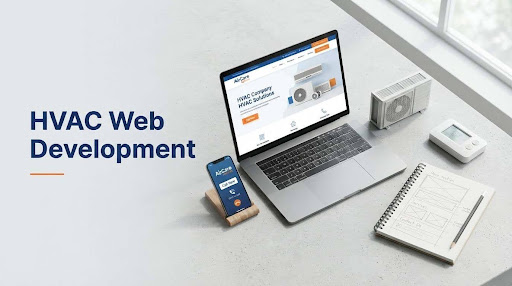
HVAC web development is the process of planning, building, and optimizing a website specifically for heating and cooling businesses so it can rank in local search, load fast on phones, and convert visitors into calls, quote requests, and service bookings. A good HVAC website is not just a digital brochure. It is a lead-generation tool that works while your technicians are out in the field.
When a furnace stops working in January, or an AC dies in July, homeowners do not browse casually. They search on their phones, scan a few results, and call the business that looks trustworthy and easy to reach. Your website has a few seconds to earn that call.
This guide covers what HVAC web development actually involves, which features matter most, and how to avoid the mistakes that cost contractors leads.
Why HVAC Websites Need a Different Approach
A generic business template rarely fits a home-service company. HVAC customers behave differently from shoppers in most other industries.
Urgency drives many searches. People looking for “AC repair near me” or “emergency furnace repair” want a phone number and fast answers, not a long brand story.
Everything is local. You do not compete with every HVAC company in the country. You compete with the ones in your service area, so location signals matter more than almost anything else.
Demand is seasonal. Cooling and heating peaks put pressure on your website at specific times of year. It has to stay fast and stable when traffic spikes.
Trust decides the job. A stranger is letting you into their home. Reviews, licenses, and clear service details carry real weight.
Good HVAC web development is built around these realities from day one.
What an HVAC Website Should Include
Here is a practical checklist of the elements that matter most, and why each one earns its place.
| Website Element | Why It Matters |
| Click-to-call button | Lets mobile visitors call in one tap, especially during emergencies |
| Dedicated service pages | Helps each service (AC repair, installation, heating, maintenance) rank on its own |
| Service area pages | Supports local search for each city or neighborhood you serve |
| Online booking or quote form | Captures leads outside business hours |
| Reviews and testimonials | Builds trust before the first phone call |
| Licenses, insurance, certifications | Reassures homeowners that you are qualified |
| Financing or maintenance plan info | Helps customers with bigger replacement decisions |
| Fast, mobile-friendly layout | Keeps visitors from leaving before the page loads |
If you are comparing providers for HVAC website design services, use this table as a quick filter. A good team should be able to explain how each element will be handled on your site.
Build Your Site Around Local Search
For most HVAC companies, local search is the main source of new website leads. Development choices directly affect how well you perform there.
Create separate pages for each core service
Do not squeeze everything onto one “Services” page. Give AC repair, AC installation, furnace repair, heating installation, duct cleaning, and maintenance plans their own pages. Each page can explain the service, answer common questions, and target the specific phrases customers search.
Build useful service area pages
If you serve several towns, create a page for each major area. The key word is useful. Copying the same text and swapping the city name does not help. Mention local details, common issues for homes in that area, and real projects where you can.
Keep your business information consistent
Your name, address, and phone number should match across your website, Google Business Profile, and online directories. Inconsistent details confuse both customers and search engines.
Use structured data
Adding local business schema helps search engines understand who you are, where you operate, and what you offer. Schema.org even includes an HVACBusiness type, so a developer familiar with the industry can mark up your site correctly.
Speed and Mobile Performance Are Not Optional
Most HVAC searches happen on a phone, often in a stressful moment. A slow site loses the lead to the next result.
During development, make sure that:
- Images are compressed and properly sized
- Heavy plugins and unnecessary scripts are removed
- The layout works cleanly on small screens
- Buttons are large enough to tap easily
- The phone number is visible without scrolling
You can test your pages with Google’s PageSpeed Insights and review Core Web Vitals in Google Search Console. These show where the site is slowing visitors down.
Design for Conversions, Not Just Looks
A nice-looking site that does not generate calls is a missed opportunity. Conversion-focused HVAC web development usually includes:
- A clear primary action above the fold, such as “Call Now” or “Request a Quote”
- Short forms that ask only for what you need (name, phone, service needed)
- Emergency messaging if you offer 24/7 service
- Trust signals near calls to action, such as review ratings and years in business
- Simple navigation so visitors find the right service in one or two clicks
Ask yourself one question while reviewing any page: if a homeowner has a broken AC, can they contact us within five seconds?
Choosing a Platform: WordPress, Custom, or Website Builder
Option |
Best For |
Watch Out For |
Website builder |
Very small businesses starting out |
Limited SEO control and flexibility |
WordPress |
Most HVAC companies needing flexibility and SEO control |
Needs good hosting, updates, and a clean build |
Fully custom development |
Larger or multi-location companies with specific needs |
Higher cost and longer timelines |
What Affects the Cost and Timeline
Rather than chase a single price, understand what drives it:
- Number of pages and service areas
- Custom design versus a template-based approach
- Booking, scheduling, or CRM integrations
- Content writing and photography
- SEO setup and ongoing maintenance
A small brochure-style site can be completed relatively quickly, while a multi-location site with integrations takes longer. Ask every provider for a written scope so you can compare quotes fairly.
How to Choose an HVAC Web Development Partner
Before hiring anyone, check these points:
- Relevant portfolio. Have they built sites for home-service or local businesses?
- SEO knowledge. Do they plan site structure, service pages, and schema from the start?
- Mobile and speed focus. Can they show how they keep sites fast?
- Clear ownership. You should own your domain, content, and site files.
- Support after launch. Updates, security, and fixes matter long after go-live.
- Branding consistency. Your logo, colors, and messaging should match your trucks, uniforms, and estimates.
Agencies such as Top Branding Altimeter combine web design with broader branding, which can help an HVAC company keep its website and brand identity aligned across every customer touchpoint.
Common HVAC Web Development Mistakes
- Hiding the phone number. It should be visible on every page.
- One page for all services. This weakens rankings and confuses visitors.
- Duplicate city pages. Thin, copied content rarely performs.
- Slow, image-heavy pages. They frustrate mobile users.
- No clear call to action. Visitors should always know the next step.
- Ignoring reviews. Social proof is one of your strongest assets.
- Launching and forgetting. Sites need updates, new content, and performance checks.
Final Thoughts
HVAC web development works best when it starts with how customers actually search and decide. Focus on local visibility, speed, trust, and easy ways to contact you. A website built on those foundations supports your business all year, through peak summer and winter seasons alike.
If you want a team that can handle both the design and the brand identity behind it, you can explore the HVAC website design services at Top Branding Altimeter and see whether their approach suits your business.
Frequently Asked Questions
- What is HVAC web development?
HVAC web development is the creation and optimization of a website built specifically for heating, ventilation, and air conditioning businesses, with a focus on local search, mobile performance, and lead generation. - Why does an HVAC company need a professional website?
Most customers search online before calling a contractor. A professional website helps you appear in local results, build trust, and make it easy to request service. - What features should an HVAC website have?
Key features include click-to-call buttons, separate service pages, service area pages, quote or booking forms, customer reviews, license and insurance details, and fast mobile performance. - How long does it take to build an HVAC website?
A simple site can take a few weeks. Larger projects with many service areas, custom features, or integrations usually take longer. - How much does HVAC web development cost?
Cost depends on page count, design level, integrations, and content needs. Request a written scope from each provider so you can compare quotes accurately. - Does web design affect HVAC SEO?
Yes. Site structure, page speed, mobile usability, and schema markup all influence how well your pages can rank in search. - Should I use WordPress for my HVAC website?
WordPress suits many HVAC businesses because it offers flexibility and strong SEO control. Results still depend on quality development, hosting, and maintenance. - Can I update the website myself after launch?
In most cases, yes. Ask your developer for a content management system you can use to edit text, add photos, and publish new pages without technical help.

You may also like
