
Earbuds That Translate Languages: The Future of Global Communication Is Here
Earbuds That Translate Languages: The Future of Global Communication Is Here
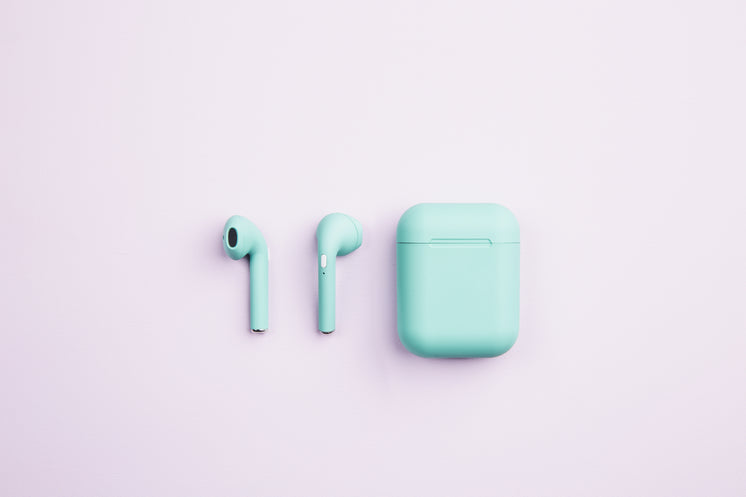
Imagine walking through the bustling streets of Tokyo, ordering your favorite dish in fluent Japanese—without ever having studied the language. Or attending a business conference in Berlin and seamlessly conversing with colleagues in German, Spanish, and Mandarin—all in real time. Thanks to groundbreaking advancements in artificial intelligence and wearable technology, this isn’t the plot of a sci-fi movie. It’s reality. Language-translating earbuds are now available, and they’re revolutionizing the way we communicate across borders.
How Do Language-Translating Earbuds Work?
Language-translation earbuds, such as the popular Pixel Buds, Waverly Labs’ Pilot, webpage or Timekettle’s WT2 Edge, combine advanced speech recognition, real-time machine translation, and Bluetooth audio streaming to deliver near-instantaneous language interpretation—right in your ears.
Here’s how it typically works:
- Speech Detection: The earbuds pick up spoken words using built-in microphones.
- Instant Translation: Via a connected smartphone app, the audio is analyzed and translated in real time using cloud-based AI models.
- Audio Output: The translated speech is delivered to your earbud as spoken audio, allowing you to hear what was said—just in your native language.
Some models even support two-way conversations. For example, you speak English, the earbuds translate it into Mandarin and play it aloud through your phone’s speaker. The Mandarin speaker responds, and their words are translated back into English, delivered directly into your ear. It’s like having a personal interpreter tucked neatly into your ears.
Bridging Cultures, One Conversation at a Time
The implications of this technology are profound. For travelers, language barriers are no longer a roadblock to authentic cultural experiences. You can now order food from a street vendor in Rome, ask for directions in Seoul, or strike up a conversation with a local artist in Buenos Aires—all without fumbling through a phrasebook.
Business professionals benefit too. International negotiations, client meetings, and multi-lingual team collaborations become smoother and more efficient. No more scheduling interpreters or relying on awkward translations. Real-time earbud translation enables faster decision-making and stronger cross-cultural relationships.
Even in healthcare, education, and humanitarian efforts, these devices are proving invaluable. Medical workers in multilingual communities can communicate life-saving information. Teachers can support students who are learning in a non-native language. Aid workers responding to global crises can connect with communities in their own languages.
The Technology Behind the Magic
At the heart of language-translating earbuds is AI-powered neural machine translation (NMT), a system that has evolved rapidly in recent years. Unlike older translation methods that relied on word-for-word substitutions, NMT understands context, tone, and even regional dialects. Deep learning models, trained on massive datasets of multilingual conversations, enable increasingly accurate and natural-sounding translations.
Add to that improved speech recognition and noise-canceling microphones, and today’s earbuds can process conversations in noisy environments—like train stations or crowded markets—with impressive clarity.
Limitations and Considerations
While language-translation earbuds are a technological marvel, they’re not perfect. Accents, rapid speech, and background noise can still trip up the translation engine. Nuances like sarcasm, idioms, and cultural references may be lost in translation. Moreover, privacy concerns arise when sensitive conversations are processed through third-party cloud servers.
Battery life and connectivity are also practical limitations. Most models require a smartphone as a hub, meaning you’re tethered to your device and dependent on a data connection for real-time translation.
That said, every generation of these earbuds improves. New models boast longer battery life, offline translation, and even AI that learns from user behavior to deliver more accurate results over time.
The Road Ahead
As AI continues to evolve, we’re moving closer to a world where language is no longer a barrier. Future earbuds may offer instantaneous, offline, and emotionally intelligent translation—understanding not just what is said, but how it’s meant.
Imagine a classroom where students wear earbuds to instantly understand a lecture in any language. Or a world where international friendships and collaborations flourish, free from the friction of miscommunication.
Language-translating earbuds aren’t just a gadget—they’re a bridge between people, cultures, and ideas. In a world that often feels divided, this technology reminds us that understanding each other might be just a conversation—and a pair of earbuds—away.
Final Thought: The next time you pack for a trip or prepare for a global meeting, consider slipping a pair of translating earbuds into your bag. You might just find that the world is smaller, kinder, and more connected than you ever imagined.
