
Revolutionizing Quick Cash Solutions: Advances in Payday Loans for Bad Credit Borrowers
In recent years, the landscape of personal finance has undergone significant transformations, particularly in the realm of quick cash solutions and payday loans for individuals with bad credit. Traditionally stigmatized and often viewed with skepticism, these financial products are now increasingly being recognized for their potential benefits when packaged and delivered transparently and responsibly. This article explores the latest advancements in payday loan offerings specifically catering to those with poor credit histories, showcasing how financial technology (fintech) innovation has opened new pathways for borrowing.

The Rise of Fintech and Alternative Lending Platforms
The advent of fintech has been pivotal in changing the payday loan paradigm. Innovations in technology have allowed companies to streamline the application process, making it faster and more user-friendly. Traditional lenders require lengthy applications and extensive documentation, which can be a significant barrier for individuals with bad credit. However, recent advancements have led to the development of online platforms that enable users to apply for loans from the comfort of their homes, completing the necessary paperwork in as little as 10 minutes.
These platforms leverage advanced data analytics to make lending decisions, often considering non-traditional metrics such as utility payments, rent history, and other relevant financial behaviors. This flexibility offers more individuals, including those with bad credit, the opportunity to access quick cash. Furthermore, many alternative lenders provide instant approval systems, which can significantly reduce the waiting period typically associated with obtaining a payday loan.
Enhanced Risk Assessment Models
One of the most notable advancements in the payday loan sector is the application of enhanced risk assessment models driven by artificial intelligence (AI) and machine learning. When you loved this article and you would like to receive more information relating to paydayloansforbadcredit please visit our own webpage. These technologies analyze a wide array of data points beyond just credit scores, allowing lenders to better gauge a borrower’s creditworthiness. This not only democratizes access to credit but also enables lenders to offer more competitive interest rates and terms for those who may have previously been deemed too risky.
These advanced systems are particularly crucial for borrowers with bad credit, as they can offer an alternative perspective on their financial situation. Potential borrowers might receive loans even with less-than-stellar credit ratings, leading to increased financial inclusion and the ability to improve one’s credit standing over time through responsible repayment.
Improved Transparency and Consumer Education
A critical improvement in the payday loan market is the emphasis on transparency in lending practices. Fintech companies are taking concerted efforts to ensure that borrowers fully understand the terms and conditions associated with their loans. User-friendly interfaces, clear language, and straightforward explanations of fees and repayment schedules have replaced the often convoluted termsheets that left borrowers confused and overwhelmed.
Moreover, many of these platforms are piloting consumer education initiatives, providing resources and financial literacy tools to help potential borrowers make informed decisions about their financial futures. This not only empowers borrowers to understand their options but also encourages responsible borrowing practices, reducing the cycle of debt associated with payday loans.
Flexible Repayment Options
Advances in the product offerings for payday loans have also led to the introduction of more flexible repayment options. Many lenders now provide borrowers with the opportunity to customize repayment plans according to their individual financial situations. This includes extended repayment durations, lower weekly or bi-weekly payment structures, and the potential for early repayment without penalties, which can significantly reduce the financial pressure often associated with high-interest loans.
This adaptability is particularly beneficial for borrowers with bad credit, who may experience fluctuating financial situations. By allowing borrowers to adjust their repayment schedules, lenders can foster a more positive relationship with their clients while simultaneously reducing default rates and increasing the likelihood of successful loan repayment.
Community and Peer-to-Peer Lending Models
Another advancement in the payday loan space is the growth of community-based and peer-to-peer lending models. These platforms connect borrowers directly with individual investors who are willing to fund their loans. By eliminating the traditional banking intermediary, these systems often result in more favorable interest rates for borrowers while providing a degree of human connection and accountability.
Such models often emphasize community engagement, with many platforms focusing specifically on local borrowers, fostering a sense of belonging and support. This approach appeals to borrowers with bad credit, as they often feel more comfortable seeking help from their community rather than faceless financial institutions.
Regulatory Changes and Consumer Protections
Significant strides have also been made in the regulatory landscape surrounding payday loans. As the negative implications of predatory lending practices have come to light, regulatory bodies have begun implementing measures to protect consumers and promote fair lending practices. Recent changes include stricter limits on interest rates, clearer lines of communication regarding fees, and more stringent licensing requirements for lenders.
These improvements help mitigate the risks associated with payday loans, particularly for individuals with bad credit. Borrowers can access funds with the assurance that they are protected from egregious fees and unethical lending practices, which have historically plagued the industry.
The Impact of Financial Inclusion
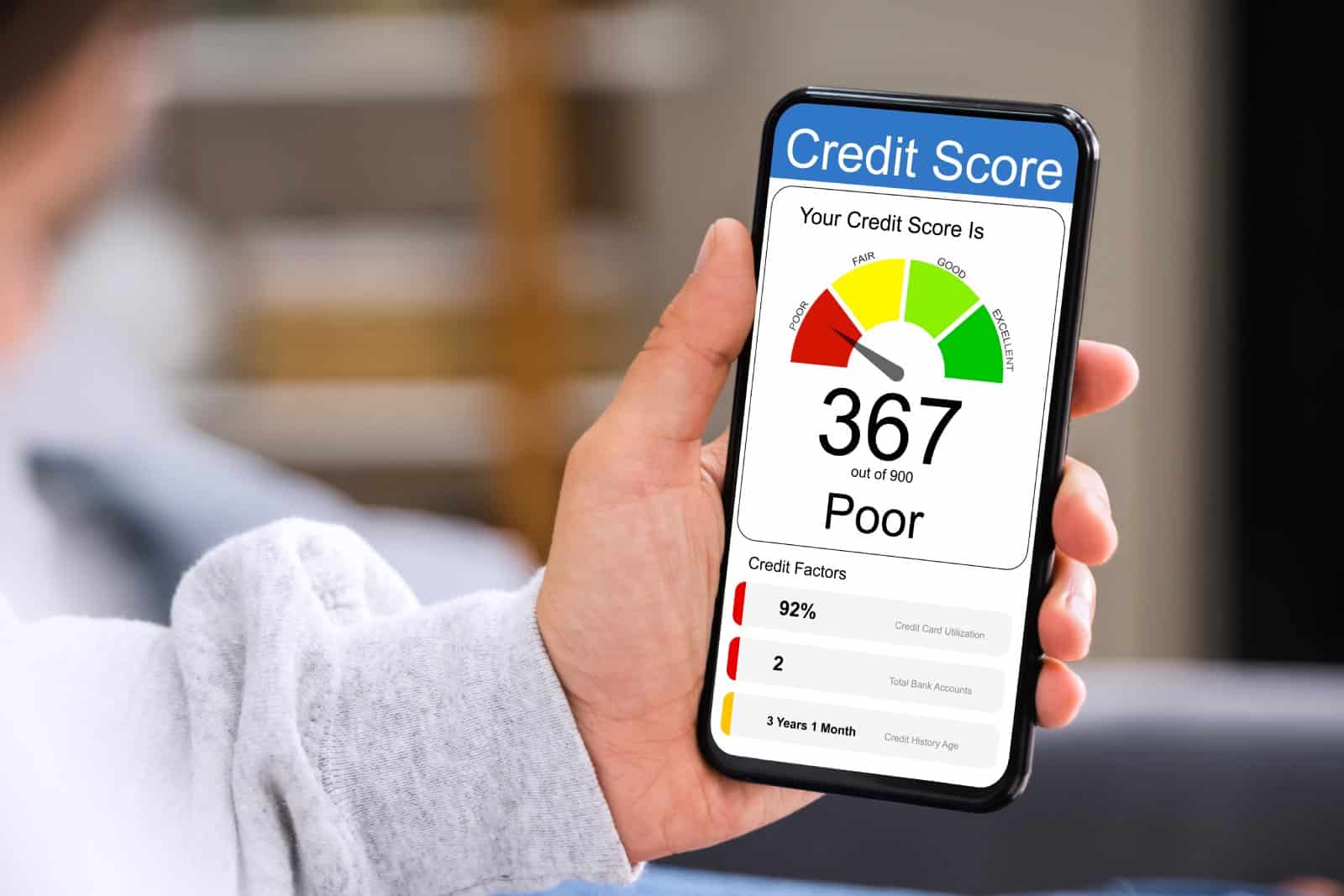
Perhaps the most profound advancement in the payday loan industry is the growing recognition of financial inclusion as a crucial goal. Many lenders and fintech companies are realizing the value in empowering individuals with bad credit, realizing that many of these borrowers are simply seeking a stepping stone to better financial health. By making loans accessible and supporting financial education, these products can help borrowers rebuild their credit and, over time, transition to more sustainable financial options.
Conclusion
The advancements in quick cash payday loans for those with bad credit have made these financial products more accessible, transparent, and responsible than ever before. With innovations driven by technology, enhanced risk assessment models, increased transparency, and regulatory protections, the payday loan landscape is evolving to meet the needs of a broader audience. As awareness and education continue to grow around these lending options, there is hope that individuals who once felt trapped by their financial circumstances will find new pathways to solvency, ultimately leading to greater financial security and empowerment for all.
