
The Evolution of Peter Parker in the MCU

The superhero movie genre changed forever when Tom Holland first swung into the Marvel Cinematic Universe. Exploring Tom Holland’s Spider-Man Journey — From Homecoming to Brand New Day demonstrates a complex evolution of a character who was initially defined by his high-tech mentors. Unlike previous iterations, this Peter Parker navigates a decade-long coming-of-age story that conclusively leads him to a point of total independence. Throughout this guide, we will break down how this narrative path reshapes the Spider-Man mythos for a contemporary audience seeking both spectacle and emotional depth. Notably, this journey serves as a case study for long-form character development in an interconnected multiverse.
Establishing the context for this era demanded a departure from the traditional origin story. By bypassing the radioactive spider bite, the directors permitted the audience to focus on Peter’s emotional struggle to balance academic pressure with cosmic threats. This methodology proclaims that the character’s heart is not found in his powers, but in his persistent desire to do the right thing despite crushing odds. Furthermore, the transition from the energetic tones of Homecoming to the darker reality of the Brand New Day reset signals a profound maturation of the franchise itself. Analysts regularly cite this specific pathway as the most comprehensive version of the Wall-Crawler’s life ever depicted on screen.
Directorial and Cinematographic Style of the Trilogy
Handling the technical aspects of Tom Holland’s Spider-Man Journey — From Homecoming to Brand New Day involved a unique partnership between two major studios. Regarding the visual effects, кіно портал україна the combination of Marvel’s kinetic storytelling with Sony’s vast visual effects infrastructure created a benchmark for the genre. Specifically, the evolution of the Spider-Man suits illustrates the jump in CGI capabilities from 2016 to the present. Technical teams utilized state-of-the-art motion capture techniques to ensure that Holland’s athleticism was accurately translated to the digital double. This precision ensures a unbroken experience during the high-octane web-slinging scenes.
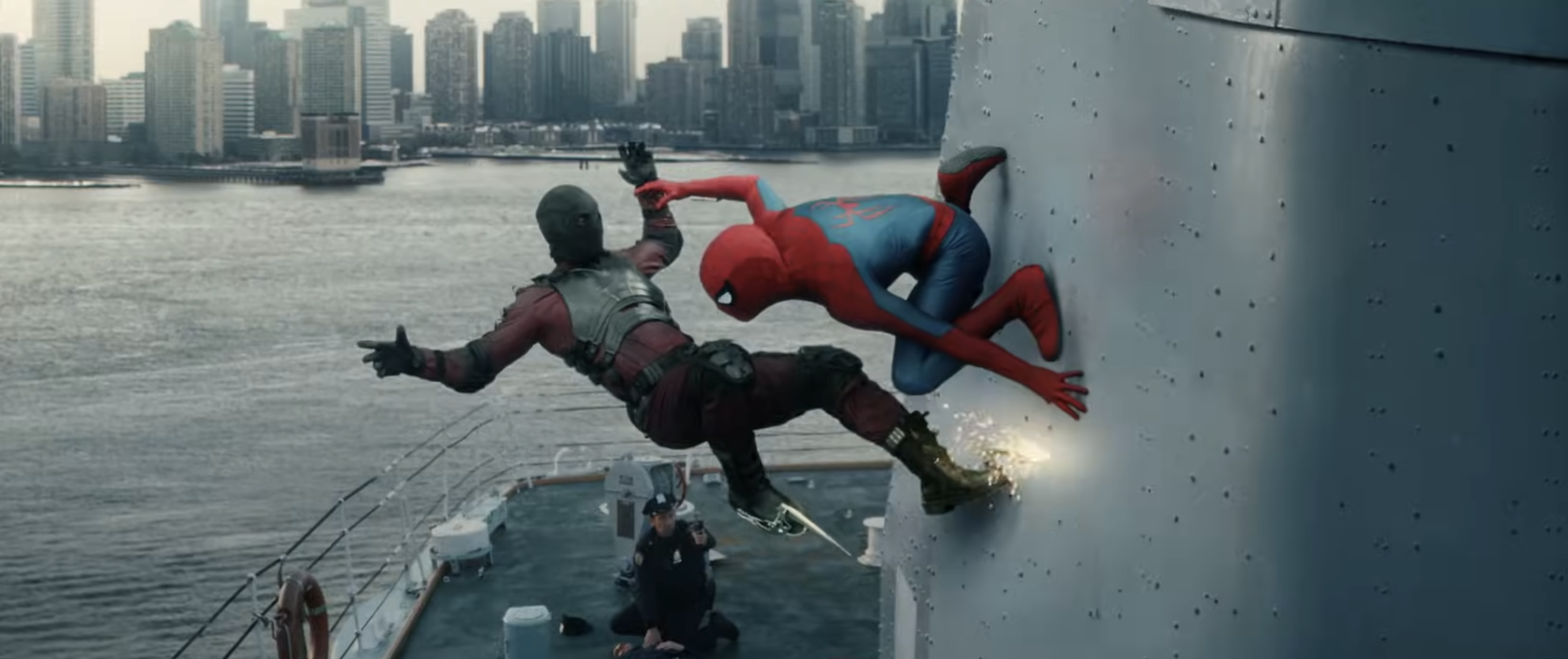
Furthermore, the directorial vision of Jon Watts emphasized a grounded camera style that differs from the more stylized approach of previous directors. By employing long takes and kinetic camera movements, the trilogy represents the hectic nature of Peter Parker’s life. Cinematographers consistently point to the ferry scene in Homecoming as a prime example of practical stunt work improved by digital wizardry. One must observe that the lighting also shifts throughout the trilogy, mirroring Peter’s loss of innocence. Ultimately, the technical delivery of these films provides a solid visual language that binds the entire MCU experience.
Guide to Tracking Peter Parker’s Growth Across the MCU
To thoroughly analyze the narrative nuance of Peter’s story, one must observe the films in a specific sequential order. The timeline commences with his concise debut in Captain America: Civil War, which creates his relationship with Tony Stark. Following this, Spider-Man: Homecoming presents the first detailed look at his daily life, where the danger remain primarily local. Moving through this arc calls for an understanding of how Peter’s ambitions to join the Avengers progressively conflict with the harsh realities of being a hero. Viewers must pay close attention to the fine changes in his resolve during these early segments.
Moving into the global scale of Infinity War and Endgame, Peter’s role grows considerably. In this period, he endures extreme loss, which becomes the driving force for his actions in Far From Home. Crucially, нові фільми онлайн the jump from confronting Thanos to managing the legacy of Iron Man establishes his character’s responsibility. Conclusively, No Way Home finishes the first cycle, ushering him toward the Brand New Day status quo. Observing this evolution permits the observer to see the metamorphosis from a dependent sidekick into a independent icon.
Comparing the Highs and Lows of the Trilogy
Though Holland’s performance is generally praised, the MCU’s iteration on the character has its noticeable pros and cons. One key advantage is the incredible chemistry between the lead actors, which injects energy into the Peter-Ned-MJ trio. In addition, the films effectively capture the uncertainty of adolescence better than any previous version. Yet, the persistent reliance on Stark technology has been a source of debate for hardcore fans. Commentators frequently argue that this lessens Peter’s autonomy as a self-made hero.
A secondary point of analysis is the flow of the narrative arc. Certain fans feel that the cosmic elements in the final film mask the more grounded elements established earlier. On the flip side, the narrative payoff in the final act of No Way Home mitigates many of these critiques by discarding the support systems. Essentially, the merit of Tom Holland’s Spider-Man Journey — From Homecoming to Brand New Day lies in its readiness to reimagine the hero before restoring him. Whereas the trilogy periodically stumbles with its interconnected obligations, it offers a engrossing look at modern heroism.
Final Verdict on Tom Holland’s Web-Slinging Legacy
Finalizing our thorough look at this era, it is apparent that Tom Holland has cemented his place as a pivotal Peter Parker. When contrasted this version against the previous incarnations, we observe a more deliberate character arc that spans six film appearances. Movie enthusiasts will value the Brand New Day ending as a risky reset that resets the status quo. In the future, the potential of a street-level Spider-Man hints at a return to the character’s classic beginnings. In conclusion, this journey is a successful example of effective franchise planning and nuanced storytelling.
The influence of Tom Holland’s Spider-Man Journey — From Homecoming to Brand New Day will persist for years within the film industry. By successfully harmonizing the needs of a massive cinematic universe with intimate stakes, the trilogy creates a new model for successors. Observers should anticipate that the lessons learned here will mold future iterations of other historic heroes. Whether you prefer the modern start or the grounded finish, there is no doubt that Holland’s work is historic.
Frequently Asked Questions About Holland’s Spider-Man
Q: What does Brand New Day mean for Peter Parker’s future?
A: Within the framework of the MCU, this term signifies a total narrative restart. After the events of No Way Home, Peter is completely alone, indicating the next films will focus on his isolated adventures without Avenger support.
Q: How does Tom Holland’s Spider-Man Journey — From Homecoming to Brand New Day compare to Tobey Maguire’s?
A: Holland’s arc is significantly longer and more woven with other heroes. Although Maguire’s Peter was a isolated hero from the start, Holland faces a protracted transition from a protege to a sovereign protector.
Q: Is Tom Holland’s Spider-Man Journey — From Homecoming to Brand New Day considered a complete story?
A: Absolutely, the Homecoming Trilogy is seen as a complete introductory cycle. It carefully tracks his rise from a naive teen to the battle-hardened hero seen at the end of the third film.
Q: Which movie is the most critical to his development?
A: нові фільми онлайн Several critics believe that No Way Home is the pivotal moment. It is where Peter accepts the full weight of consequence without any fallback.
Q: Will there be another trilogy after the Brand New Day reset?
A: Current reports hint that a second trilogy is underway. This new chapter will presumably explore Peter’s college years in a more grounded New York setting.
Q: Why did Peter Parker lose his Stark technology?
A: The story reason was to force the character back to his basics. By stripping the high-tech resources, the filmmakers ensured that Peter must rely entirely on his own intellect to survive.
