10 Creative Clothing Packaging Solutions That Make Your Brand More Memorable
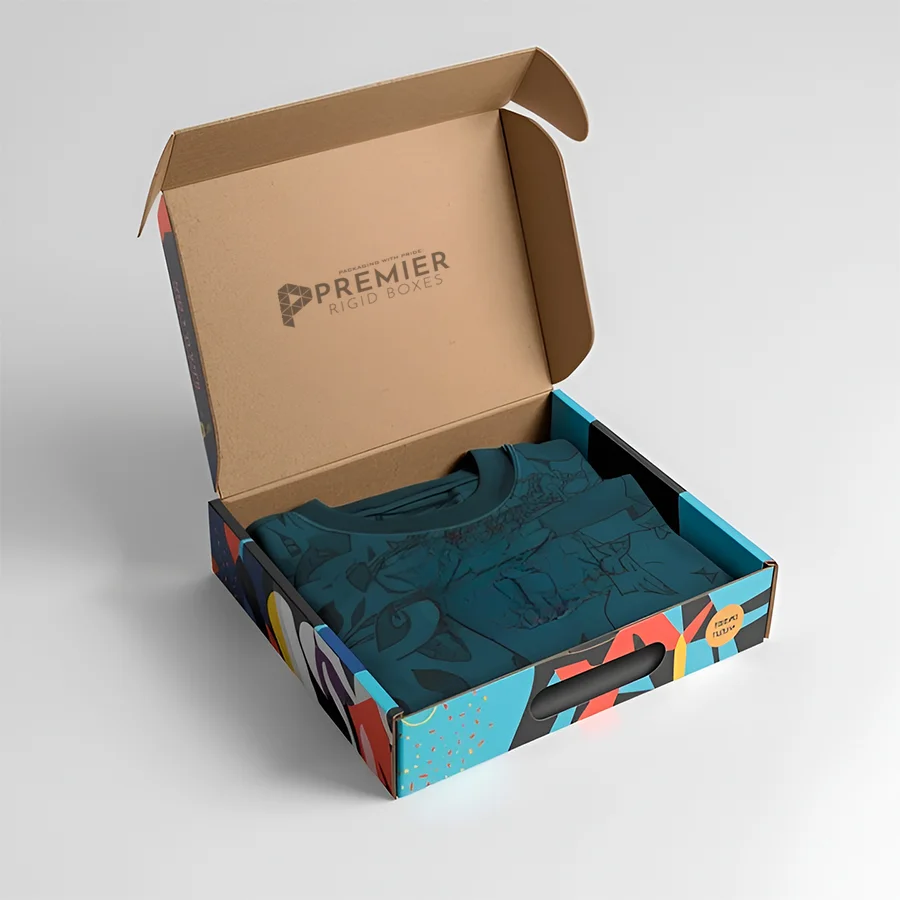
For clothing brands, packaging is part of the product experience. A customer may see the package before they see the garment, so the way an order is packed can influence how professional and trustworthy the brand feels.
Good clothing packaging should do more than look attractive. It needs to keep garments clean, reduce unnecessary movement during shipping, fit the product properly, and communicate useful information. At the same time, the packaging should align with the brand’s price point and the type of clothing being sold.
Whether you run an online clothing store, a boutique, a handmade apparel business, or a growing fashion label, there are plenty of ways to improve your packaging without making every order unnecessarily expensive.
Here are 10 practical clothing packaging ideas worth considering.
1. Custom Apparel Boxes for a Polished Presentation
An apparel box in custom sizes and styles is a strong choice when presentation matters as much as protection. It provides folded garments with a defined space and helps maintain a neat appearance during delivery.
These boxes work especially well for shirts, dresses, suits, premium collections, and clothing sets. You can keep the outside simple with a logo and brand name or create a fully printed design that matches your visual identity.
2. Kraft Mailers for Lightweight Clothing Orders
Kraft paper mailers are a practical option for brands looking to reduce the amount of plastic used in their shipping packaging. They are particularly suitable for lightweight garments that do not require a rigid outer box.
A self-sealing closure can speed up packing, while stamps, labels, stickers, or printed tape can add branding without requiring a completely custom mailer.
3. Branded Poly Mailers for Fast Fulfilment
Poly mailers are popular with online apparel sellers because they are flexible, lightweight, and quick to prepare. Their large outer surface also provides brands with ample space for logos, patterns, slogans, and other visual elements.
They can be useful for casual wear, leggings, activewear, and other garments that do not need a rigid box.
4. Tissue Paper and Branded Stickers
You do not always need expensive packaging to create a better unboxing experience. A simple sheet of tissue paper can make a folded garment feel much more carefully packed.
Branded tissue paper can carry your logo or pattern, while a small sticker can hold the wrap closed. This creates a distinct inner layer between the garment and its shipping box or mailer.
5. Seasonal Clothing Packaging
Your main packaging does not have to change completely for every holiday or seasonal campaign.
Instead, keep the core box or mailer consistent and change smaller elements such as tissue paper, stickers, cards, ribbons, sleeves, or printed inserts. This allows your packaging to feel timely without creating a completely different packaging system for every occasion.
For example, a clothing brand might use different packaging accents for Christmas, Thanksgiving, Valentine’s Day, a summer collection, or a limited-time sale.
6. Minimalist Packaging for a Clean Brand Identity
Sometimes less works better.
Minimalist packaging uses limited colours, simple typography, clean layouts, and only the information customers actually need. A plain box with a small logo, neat tissue paper, and a well-designed product card can look more premium than packaging overloaded with graphics.
This approach can work particularly well for modern fashion labels, basics, luxury clothing, and brands with an eco-conscious image.
7. Rigid Boxes for Premium Apparel
When clothing needs a more luxurious presentation, rigid boxes are worth considering. Their sturdy construction keeps the package firm and adds more structure to the opening experience.
They are especially suitable for formal clothing, bridalwear, premium sets, and fashion accessories. Tissue paper, inserts, textured papers, embossing, or foil details can be added when they suit the brand.
8. Two-Piece Boxes for Gift-Ready Orders
A two-piece rigid box has a separate base and lid, giving the customer a more deliberate opening experience. Adding ribbon, tissue paper, or a branded card can make the package feel ready for gifting.
This format can be particularly effective for wedding-related apparel, holiday clothing, special collections, and premium purchases.
The design can be customised with brand colours, patterns, logos, ribbons, and other finishing details.
9. Packaging Sleeves for Simple Branding
Packaging sleeves are a useful middle ground between plain packaging and fully customised boxes.
A printed sleeve can slide around a folded garment, tissue-wrapped product, or plain box. It can display the logo, clothing size, product name, care information, or a short brand message.
This approach can reduce the need for printing the entire box while still giving the package a recognisable appearance.
10. Hang Tags That Give Customers Useful Information
Hang tags are one of the simplest ways to add branding and product information directly to a garment.
Depending on the product, a tag can include the brand name, size, price, fabric details, care instructions, collection name, or a QR code. Different shapes, paper stocks, and finishes can also help match the tag to the overall brand style.
They are relatively simple, but they should still be easy to read. Avoid adding so much information that customers have difficulty finding the details they actually need.
Which Clothing Packaging Should You Choose?
There is no single packaging format that works for every clothing business. Your decision should depend on the garment, shipping method, brand positioning, budget, and customer experience you want to create.
| Clothing Packaging | Best For | Main Advantage | Branding Potential | Cost Level |
| Apparel boxes | Premium garments | Strong presentation and structure | High | Medium–High |
| Kraft mailers | Lightweight clothing | Simple and lightweight | Medium | Low–Medium |
| Poly mailers | E-commerce orders | Flexible and fast to pack | High | Low–Medium |
| Tissue + stickers | Boutique and gift orders | Improves unboxing | Medium–High | Low |
| Seasonal packaging | Promotions and holidays | Keeps packaging fresh | High | Low–Medium |
| Minimalist packaging | Modern brands | Clean appearance | Medium–High | Low–Medium |
| Rigid boxes | Luxury apparel | Premium presentation | Very High | High |
| Two-piece rigid boxes | Gifts and special collections | Gift-ready appearance | Very High | High |
| Packaging sleeves | Folded garments | Branding without full box printing | High | Low–Medium |
| Hang tags | Almost any apparel | Product information and branding | Medium | Low |
How to Select the Right Packaging for Your Clothing Brand
Before ordering packaging in large quantities, consider a few practical factors.
Think About the Garment
A lightweight T-shirt does not necessarily need the same packaging as a structured suit or luxury dress. Match the packaging to the garment’s size, weight, shape, and required level of protection.
Measure the Finished Fold
Do not measure only the garment when it is unfolded. Fold it the same way your fulfilment team will pack it, then measure the finished dimensions.
This helps prevent oversized packaging and reduces unnecessary empty space.
Consider Shipping Conditions
Clothing may be subject to compression, moisture, dust, and repeated handling during transportation. The outer packaging should be strong enough for the shipping method you use.
Keep Your Branding Consistent
Your box, mailer, tissue, stickers, tags, and inserts do not need identical designs, but they should feel like they belong to the same brand.
Consistent typography, colours, logos, and messaging make packaging easier to recognise.
Think About the Unboxing Process
Customers should not need to fight with excessive tape, complicated closures, or unnecessary layers just to reach the garment.
A good package should be secure during delivery but reasonably easy to open once it reaches the customer.
How Can You Make Clothing Packaging More Attractive?
You can improve a basic package without completely redesigning it. Try adding branded tissue paper, a small sticker, a printed card, a belly band, ribbon, or a well-designed hang tag.
The key is restraint. Too many decorative elements can make packaging feel cluttered and increase costs without adding much value. The source similarly recommends simple additions such as tissue, stickers, ribbons, sleeves, and cards to improve presentation.
Is Sustainable Clothing Packaging Expensive?
Not necessarily. The cost depends on the material, quantity, printing, finishing, and packaging style you select.
Kraft mailers, recycled paper options, minimalist designs, and simple branded elements can provide a more environmentally conscious presentation without automatically requiring a premium packaging budget.
It is also worth considering how much packaging you actually need. Using a properly sized package can reduce wasted material and shipping space.
How Can You Reduce Wrinkles During Shipping?
Start with a consistent folding method. Fold garments neatly and use tissue paper, cardboard support, inserts, or a properly fitted box when additional structure is needed.
The goal is to limit unnecessary movement and pressure inside the package. Packaging should support the garment rather than excessively compress it.
What Information Should Clothing Packaging Include?
The exact information depends on the product and the packaging’s role. Useful details may include:
- Brand name or logo
- Garment size
- Fabric information
- Care instructions
- Product or collection name
- Return information
- Customer contact details
- QR code is useful
Keep important information easy to find instead of filling every available surface with text.
Final Thoughts
Clothing packaging does not have to be complicated to be effective. A carefully selected box, mailer, sleeve, tissue wrap, or hang tag can protect the garment while giving customers a stronger impression of the brand.
For everyday e-commerce orders, lightweight mailers may be the practical choice. Premium garments may benefit from rigid or two-piece boxes, while simple additions such as tissue paper, stickers, and tags can improve almost any packaging style.
The best solution is the one that balances protection, presentation, branding, cost, and customer convenience. When those elements work together, packaging becomes more than a shipping container it becomes part of the clothing brand’s overall experience.

You may also like