
5 Smart Garden Waste Ideas for a Tidier Outdoor Space
Introduction
Keeping a garden tidy requires more than mowing the lawn and trimming plants. Leaves, grass cuttings, branches, weeds and other garden waste can quickly build up, particularly during periods of rapid growth or after seasonal maintenance. Simply leaving this waste in piles can make an outdoor space look untidy and may attract pests.
However, garden waste does not always need to be treated as rubbish. With sensible planning, much of it can be reused, recycled or disposed of responsibly. From composting natural materials to arranging regular collections, there are several practical ways to manage garden waste while keeping an outdoor space clean, attractive and easier to maintain.
1. Start a Compost Heap
Composting is one of the most useful ways to manage natural garden waste. Grass cuttings, fallen leaves, small plant trimmings and other suitable organic materials can be placed in a compost bin or designated composting area. Over time, these materials break down naturally and produce nutrient-rich compost that can be used around the garden. Adding homemade compost to flower beds, borders and vegetable patches can improve soil structure and provide valuable nutrients for plants.
A successful composting system requires a sensible balance of materials. Fresh grass and green plant matter provide moisture and nitrogen, while dry leaves, small twigs and other brown materials provide carbon. Turning the compost occasionally can help air circulate and encourage decomposition. Keeping food waste separate from garden materials can also make the process easier to manage and reduce unwanted smells or pests. Skip Hire Lancashire offers a convenient way to manage larger amounts of garden waste.
2. Reuse Leaves and Grass Cuttings
Leaves and grass cuttings do not always need to leave the garden. Fallen leaves can be collected and used as natural mulch around trees, shrubs and flower beds. As they gradually break down, they can add organic matter to the soil and help retain moisture. Leaves can also be collected separately and allowed to decompose into leaf mould, which can later be used to improve soil.
Grass cuttings can also be useful when managed correctly. A thin layer of fresh cuttings can be placed around plants as mulch, helping to reduce moisture loss and suppress some weed growth. However, thick layers should be avoided because they can become compacted and develop unpleasant odours. Reusing these materials can reduce the amount of waste that needs to be removed while providing practical benefits for the garden.
3. Create a Dedicated Green Waste Area
A dedicated area for garden waste can prevent branches, weeds and plant cuttings from spreading across the outdoor space. Instead of leaving waste wherever gardening work takes place, choose a suitable location where materials can be gathered temporarily. A screened corner, garden storage area or suitable green waste container can keep the garden looking organised while maintenance is underway.
Separating different types of waste can make later disposal easier. Larger branches can be kept apart from grass and leaves, while unsuitable materials can be identified before they are taken to a recycling facility. A dedicated system also encourages everyone using the garden to follow the same routine, making waste management less time-consuming.
4. Arrange Responsible Garden Waste Collection
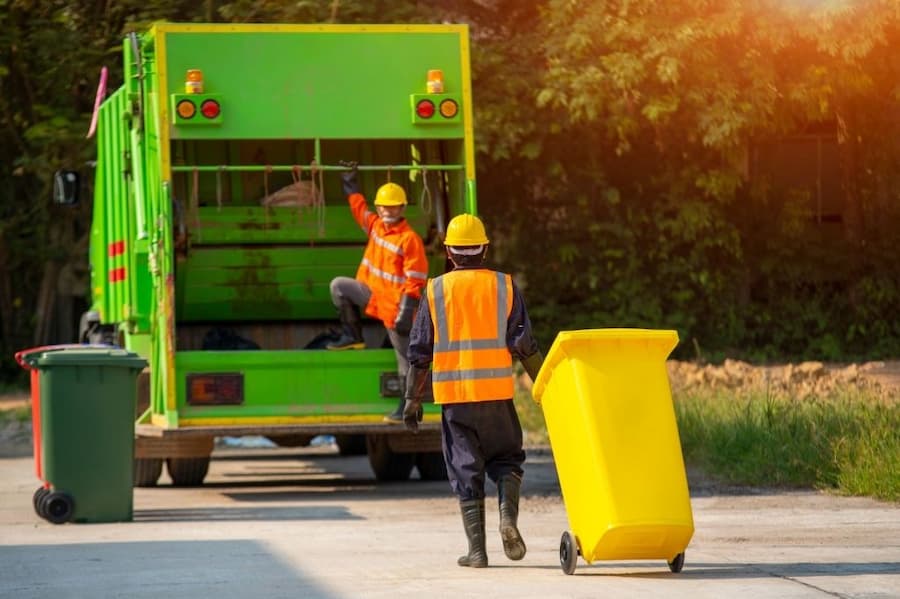
For larger gardens or major landscaping projects, the amount of waste produced can quickly become difficult to manage. In these situations, arranging a professional garden waste collection can provide a convenient solution. This can be particularly useful after hedge cutting, tree pruning, clearing overgrown areas or removing unwanted plants.
A reliable collection service can save time and reduce the need to make repeated trips to a recycling centre. Before arranging a collection, it is important to check what types of waste the provider accepts and whether there are any restrictions on quantities or materials. Choosing a service that handles green waste responsibly can also help ensure that suitable materials are recycled or processed rather than unnecessarily sent to landfill.
5. Recycle and Repurpose Garden Materials
Some garden materials can be reused for practical projects rather than immediately being discarded. Larger branches can sometimes be cut into smaller sections and used as natural edging, supports or habitat features. Old untreated timber may also have potential for simple garden projects, provided it is suitable for the intended use.
Plant pots, containers and certain gardening materials may also be reusable. Cleaning and storing them carefully can reduce the need to purchase replacements. When items genuinely cannot be reused, checking local recycling facilities is preferable to putting recyclable materials into general waste. This approach can reduce unnecessary disposal and encourage a more sustainable approach to garden maintenance.
Conclusion
Managing garden waste effectively can make an outdoor space look considerably tidier while also reducing unnecessary disposal. Composting natural materials, reusing leaves and grass cuttings, creating a dedicated waste area, arranging responsible collections and finding ways to recycle or repurpose materials can all make garden maintenance easier. The best approach depends on the size of the garden, the amount of waste produced and the resources available. By developing a consistent waste management routine, homeowners can maintain a cleaner garden while making better use of materials that might otherwise be treated as unwanted rubbish.
Visit fastresponsepfa for more informative blogs.

You may also like

A Guide to Visas That Require a Business Plan for Immigration

How Does Limo Service Make Travel More Comfortable
