Factors That Influence User Trust in Platforms Like BP77 Singapore
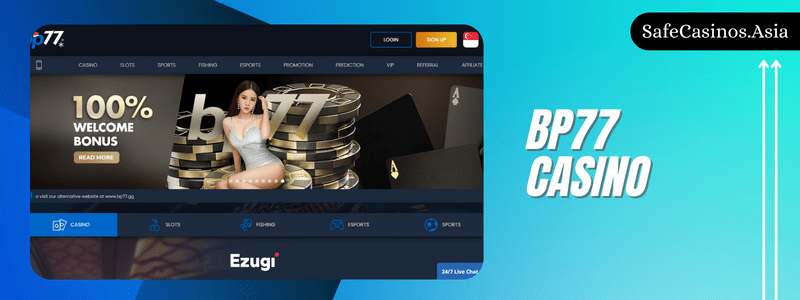
Trust is one of the most valuable assets any digital platform can build. In an increasingly competitive online environment, users have more choices than ever before, making trust a critical factor in determining whether they continue engaging with a platform over the long term.
While features and functionality may attract initial attention, trust is often what drives retention. Users want confidence that a platform will provide a consistent experience, maintain accessibility, and operate in a predictable manner. Trust develops gradually through repeated positive interactions rather than through marketing claims alone.
BP77 Singapore operates within a digital landscape where user expectations continue to evolve. Understanding the factors that influence trust can help explain how users evaluate platforms before deciding to commit their time and attention.
Why Trust Matters in Digital Platforms
Trust reduces uncertainty. When users feel confident about a platform, they are more likely to explore its features, engage regularly, and return over time.
Without trust, even well-designed platforms may struggle to maintain user engagement. Small issues such as confusing navigation, inconsistent performance, or poor communication can negatively affect user perceptions.
Common Factors Users Associate with Trust
Users often evaluate trust based on:
- Platform reliability
- Ease of use
- Transparent communication
- Consistent performance
- Mobile accessibility
- Responsive customer support
- Professional platform design
These elements combine to create an overall impression of credibility and dependability.
Reliability Is Often the Strongest Trust Signal
One of the most important factors influencing trust is reliability. Users expect a platform to function consistently whenever they access it.
Repeated positive experiences help build confidence, while frequent disruptions can quickly undermine trust regardless of other strengths the platform may possess.
How Reliability Builds Confidence
Consistent Availability
Users expect access without unexpected interruptions.
Stable Functionality
Features should perform as intended over time.
Predictable Performance
Users appreciate platforms that behave consistently.
Smooth User Journeys
Tasks should be completed without unnecessary obstacles.
Reliability often serves as the foundation upon which long-term trust is built.
Transparency Helps Users Feel More Comfortable
Transparency is another important element of trust. Users prefer platforms that communicate clearly and make important information easy to understand.
When users know what to expect, they can interact with greater confidence and less uncertainty.
BP77 Singapore exists in an environment where transparency increasingly influences how users evaluate platform quality.
Discover more: Key User Experience Elements That Matter Most on MB8 Singapore
Areas Where Transparency Matters
Platform Information
Users should understand available features and services.
Clear Processes
Important actions should be explained in a straightforward manner.
Accessible Support Resources
Help information should be easy to locate.
Consistent Communication
Users value predictable and professional communication.
Transparency helps create a more positive and trustworthy experience.
User Experience Plays a Significant Role
Trust is often shaped by daily interactions. A platform that feels intuitive and easy to use naturally encourages positive perceptions.
Poor usability can create frustration and cause users to question the platform’s overall quality, even when technical capabilities are strong.
Comparing Trust-Building and Trust-Reducing Experiences
| Trust-Building Experience | Trust-Reducing Experience |
|---|---|
| Easy navigation | Confusing layouts |
| Consistent performance | Frequent technical issues |
| Clear information | Unclear instructions |
| Responsive design | Poor mobile usability |
| Reliable support access | Difficult support processes |
This comparison highlights how user experience directly affects trust development.
Mobile Accessibility Influences User Confidence
Many users access digital platforms primarily through mobile devices. As a result, mobile compatibility has become an important factor in determining whether users view a platform as reliable and modern.
A strong mobile experience demonstrates that a platform understands contemporary user habits and priorities.
Benefits of Strong Mobile Accessibility
Greater Convenience
Users can access services wherever they are.
Consistent Functionality
Features remain available across devices.
Improved Accessibility
Users encounter fewer barriers during use.
Better Overall Experience
Smooth mobile interactions contribute to positive perceptions.
These benefits strengthen trust by making the platform easier to use in everyday situations.
Customer Support Reinforces Trust
Even highly effective platforms occasionally require support services. Users often judge a platform by how it responds when assistance is needed.
Customer support becomes particularly important when users encounter questions or unexpected issues.
Characteristics of Trustworthy Support
Easy Access
Users should be able to locate support channels quickly.
Timely Responses
Prompt assistance demonstrates commitment to user needs.
Clear Communication
Solutions should be practical and easy to understand.
Consistency
Reliable support creates a stronger sense of confidence.
Support quality often serves as a reflection of the platform’s broader commitment to its users.
Professional Design Contributes to Credibility
Visual design is not the primary factor in building trust, but it still plays an important role. Professional interfaces often create positive first impressions and help users feel more comfortable navigating a platform.
Good design should support usability rather than distract from it.
Elements of Credible Platform Design
Clean Layouts
Information should be organized logically.
Readable Content
Text and menus should be easy to understand.
Consistent Branding
Visual consistency reinforces professionalism.
User-Centered Structure
Design choices should prioritize convenience and accessibility.
These factors contribute to a stronger perception of quality and reliability.
Trust Is Built Through Consistent Experiences
Trust rarely develops through a single interaction. Instead, it emerges through repeated experiences that consistently meet or exceed user expectations.
Platforms that focus on reliability, transparency, accessibility, and usability are generally more successful at building long-term trust. Users are more likely to remain engaged when they feel confident in the platform’s ability to deliver a dependable experience.
For this reason, trust should be viewed as an ongoing process rather than a one-time achievement.
Conclusion
User trust is influenced by multiple factors, including reliability, transparency, usability, mobile accessibility, customer support, and professional design. Together, these elements shape how users perceive a platform and determine whether they feel confident using it over time.
BP77 Singapore operates in a digital environment where trust has become an increasingly important differentiator. By prioritizing consistent user experiences and maintaining a strong focus on accessibility and reliability, platforms can create the foundation necessary for long-term engagement and user confidence.

You may also like
My99exchange: Top Choice for Cricket Betting ID