AC Repair Near Cleveland, Ohio: How to Choose a Reliable HVAC Professional
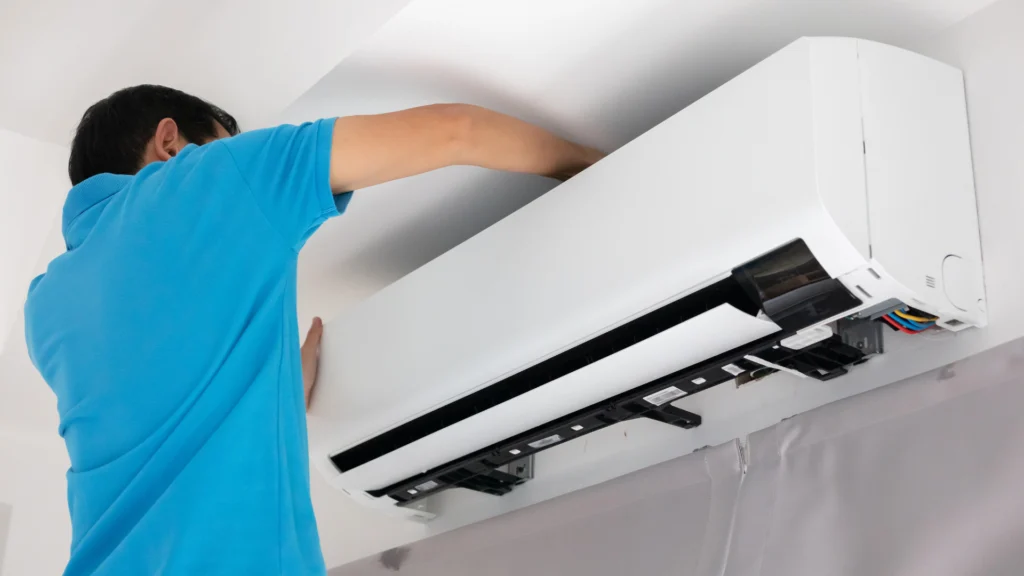
When your air conditioner stops cooling on a humid Cleveland afternoon, finding a trustworthy technician can quickly become a priority. A search for ac repair near cleveland ohio may produce plenty of options, but choosing the right HVAC professional requires more than picking the first company that appears in search results. The quality of the diagnosis, workmanship, equipment knowledge, and communication can affect both your immediate comfort and your future repair costs.
A reliable HVAC professional should be able to identify the actual cause of a problem rather than simply replacing a part and hoping it solves the issue. This is especially important in Northeast Ohio, where air conditioners may sit unused for months and then be expected to operate continuously during periods of summer heat.
What Makes an HVAC Professional Reliable?
A dependable HVAC technician combines technical knowledge, proper credentials, clear communication, and honest recommendations. Reliability is not simply about arriving quickly. It also means accurately diagnosing the system, explaining the available solutions, and completing the work safely.
For example, suppose an air conditioner is running but producing warm air. Several issues could create the same symptom, including restricted airflow, a refrigerant problem, a failed capacitor, a dirty evaporator coil, or an electrical fault. An experienced technician should investigate the system rather than immediately assuming that one particular component needs replacement.
Look for professionals who can explain:
- What caused the problem
- Which components were tested
- What repair is recommended
- How urgent the repair is
- What the estimated cost includes
- Whether repair or replacement makes more financial sense
A good technician should make the homeowner feel informed rather than pressured.
How to Choose the Right HVAC Professional
Choosing an HVAC contractor becomes easier when you use a consistent evaluation process instead of making a decision based solely on price.
1. Verify Licensing and Qualifications
Before allowing someone to work on your cooling system, check whether the contractor has the appropriate licensing, certifications, and insurance required for the work being performed.
For refrigerant-related work, technicians should have the appropriate EPA certification. You can also ask whether the company regularly services the type and brand of equipment installed in your home.
Qualifications do not guarantee perfect workmanship, but they provide an important baseline for professionalism and technical competence.
2. Look at Relevant Experience
Not every HVAC company has the same level of experience with every system. Ask how frequently the contractor handles residential air conditioning systems similar to yours.
This matters when dealing with older equipment, unusual installations, heat pumps, variable-speed systems, or recurring problems that another technician has failed to resolve.
For instance, if your AC has repeatedly frozen up, simply replacing the filter may not solve the underlying issue. A technician should consider airflow, refrigerant charge, coil condition, blower operation, and other possible causes.
3. Read Reviews Carefully
Online reviews can provide useful clues, but don’t judge a contractor solely by the star rating.
Read several recent reviews and look for specific comments about:
- Diagnostic accuracy
- Punctuality
- Communication
- Pricing transparency
- Quality of repairs
- Follow-up service
- Cleanliness after completing the job
A detailed review describing how a technician diagnosed and fixed a difficult problem can be more informative than a short five-star rating with no explanation.
Also pay attention to patterns. One negative review may be an isolated incident, while repeated complaints about unexpected charges or incomplete repairs deserve closer attention.
4. Ask for a Diagnosis Before Approving Major Repairs
One of the biggest warning signs is a contractor recommending an expensive replacement without adequately explaining why it is necessary.
For significant repairs, ask the technician to explain what they tested and what they found. You do not need to become an HVAC expert, but you should understand the basic reasoning behind the recommendation.
Consider a homeowner whose AC is not turning on. If the technician determines that a failed capacitor is responsible, they should be able to explain how that component affects the system and why replacing it addresses the problem.
5. Compare Estimates Properly
Getting multiple estimates can be useful, particularly when the repair is expensive. However, comparing only the final dollar amount can lead to a poor decision.
One contractor may quote a lower price because the estimate excludes important labor, materials, warranty coverage, or additional necessary work.
When comparing estimates, look at what is actually included. Ask about labor, parts, diagnostic fees, warranties, disposal charges, and any conditions that could change the final price.
Common Mistakes Homeowners Make
Choosing the Cheapest Estimate
A low price can be attractive when an unexpected repair affects the household budget. However, the cheapest option is not always the least expensive in the long run.
Poor installation or an incorrect diagnosis can lead to repeated service calls and additional component failures. A slightly higher upfront cost may be worthwhile when it comes from a qualified professional offering better workmanship and a meaningful warranty.
Waiting Until the AC Completely Fails
Emergency repairs are often more stressful than planned maintenance. Homeowners sometimes ignore warning signs such as unusual noises, weak airflow, inconsistent temperatures, frequent cycling, or water around the indoor unit.
These symptoms do not always indicate a major failure, but addressing them early can prevent a small issue from developing into a larger one.
Ignoring the Age of the System
Repair decisions should consider the age and condition of the equipment. An older air conditioner that requires frequent repairs may no longer be economical to maintain.
That does not mean every older system should automatically be replaced. A professional should consider repair costs, expected remaining service life, efficiency, refrigerant considerations, and the homeowner’s long-term plans.
Practical Tips for Cleveland-Area Homeowners
Cleveland’s seasonal weather makes dependable cooling valuable, but homeowners can also reduce unnecessary HVAC problems through basic maintenance.
Replace or clean the air filter according to the manufacturer’s recommendations, keep outdoor equipment clear of leaves and debris, and make sure supply and return vents are not blocked by furniture or household items.
Before the cooling season becomes intense, test the system rather than waiting for the first extremely hot day. If the unit produces unusual sounds, fails to maintain the thermostat setting, or struggles to cool the house, arrange an inspection early.
When a technician arrives, provide useful information about the problem. Tell them when it started, whether it happens continuously or intermittently, and whether anything changed before the problem appeared. These details can make diagnosis more efficient.
It is also worth keeping records of major repairs and maintenance. A simple history of replaced components, service dates, and recurring symptoms can help the next technician identify patterns.
Conclusion
Finding a reliable HVAC professional is about more than locating someone who can restore cold air quickly. Homeowners should look for proper qualifications, relevant experience, transparent pricing, strong customer feedback, and a willingness to explain the diagnosis.
Whether the problem is a failed electrical component, restricted airflow, refrigerant issue, or an aging system, a quality technician should identify the underlying cause and clearly explain the available options. Taking a little time to evaluate an HVAC professional before approving work can protect your comfort, your budget, and the long-term performance of your air conditioning system.

You may also like

When Is a Software Prototype a Waste of Time for a Startup?

IPTV GOLD Explained: 4K Streaming and Subscription Guide