• Home
  • Traditional Learning

    First Aid

    • 3 Day First Aid at Work
    • Emergency First Aid at Work
    • First Aid at Work Re-qualification
    • First Aid Annual Refresher
    • Automated External Defibrillator (AED)
    • Paediatric First Aid 6 hours
    • Paediatric First Aid 12 hours
    • Allergy and Anaphylaxis Training (Benedict’s Law)
    • First Aid in Schools 18hrs
    • Emergency First Aid at Work and Paediatric 12hrs Combined
    • First Aid in School 1 Day
    • First Aid Course for Parents

    Health & Safety

    • Health and Safety in the Work Place Level 3
    • Health and Safety Awareness

    Food Hygiene

    • Food Safety Level 3
    • Basic Food Hygiene
    • Allergen Awareness

    Fire Safety

    • Fire Marshal
    • Fire Safety Awareness

    Manual Handling

    • Manual Handling Level 2
    • Manual Handling Awareness

    Health & Social Care

    • Administering of Medication
    • Safeguarding Adults
    • Dementia Awareness
    • Infection Control
    • Mental Capacity Act and DoLS
    • Mental Health Awareness​
    • Nutrition and Health
    • Whistleblower Training
  • Distance Learning

    Level 2

    • Mental Health Awareness
    • Personal Exercise, Nutrition & Health
    • Falls Prevention Awareness
    • Common Health Conditions
    • Cleaning Principles
    • Principles of Team Leading
    • Customer Service in Care
    • Safe Handling of Medication
    • Behaviour That Challenges
    • End of Life Care
    • Principles in Care Planning
    • Dignity and Safeguarding

    Level 2

    • Adult Social Care
    • Nutrition and Health
    • Infection Control
    • Equality and Diversity
    • Safeguarding and Prevent
    • Dementia Care
    • Common Childhood Illnesses
    • Children and Young People’s Mental Health
    • Specific Learning Difficulties
    • Management of Diabetes
    • Dementia Care

    Level 2

    • Caring for Children and Young People
    • Learning Disabilities
    • Understanding Autism
    • Customer Service in Hospitality
    • Counselling Skills
    • Warehousing and Storage
    • Lean Organisation Management
    • Information Advice and Guidance
    • Customer Service
    • Business Administration
    • Retail Operations

    Level 2

    • Business Start Up
    • Business Improvement Techniques
    • Data Protection and Data Security
    • Mental Health First Aid
    • Personal Care Needs
    • Technology Enabled Care
    • Tenant Support in Social Housing
    • Workplace Violence and Harassment
    • Climate Change and Environmental Awareness
  • Blended & E-Learning

    Blended Learning

    • Blended First Aid Training at Work
    • Blended Emergency First Aid at Work
    • Blended 12 Hour Paediatric First Aid Course
    • Blended Combined Paediatric 12 hrs and First Aid at Work
    • Blended Combined Paediatric 12hrs and Emergency First Aid at Work

    E-Learning

    • Manual Handling Level 2
    • Chaperoning Training in Primary Care
    • Annual First Aid Refresher Update
    • CPR / AED and Medical Emergencies for Dental Professionals
    • First Aid Awareness for Water Based Settings
    • Outdoor First Aid Course
    • Safeguarding Children Course

    E-Learning

    • Fire Marshal Training
    • Level 2 Food Safety
    • Prevent Duty Training
    • Fire Safety Training for Early Years
    • First Aid for Parents Course
    • Risk Assessment for Nurseries
    • Family First Aid Course
    • Allergy and Anaphylaxis Awareness for Schools (Benedict’s Law)

    E-Learning

    • Infection Control Training for Children’s Activity Providers
    • Basic Life Support Training Annual Update for Primary Care (Clinical)
    • CPR Training Annual Update for Primary Care (Non-Clinical)
  • Features
    • Why Choose Us
    • Testimonials
    • Contact
    • Gallery
    • About Us
    • First Aid Training During Covid 19
    • Terms and Conditions
    • Privacy Policy and Cookies
    • Blog
    Have any question?
    07814170078
    info@fastresponsepfa.co.uk
    First Aid
    • Home
    • Traditional Learning

      First Aid

      • 3 Day First Aid at Work
      • Emergency First Aid at Work
      • First Aid at Work Re-qualification
      • First Aid Annual Refresher
      • Automated External Defibrillator (AED)
      • Paediatric First Aid 6 hours
      • Paediatric First Aid 12 hours
      • Allergy and Anaphylaxis Training (Benedict’s Law)
      • First Aid in Schools 18hrs
      • Emergency First Aid at Work and Paediatric 12hrs Combined
      • First Aid in School 1 Day
      • First Aid Course for Parents

      Health & Safety

      • Health and Safety in the Work Place Level 3
      • Health and Safety Awareness

      Food Hygiene

      • Food Safety Level 3
      • Basic Food Hygiene
      • Allergen Awareness

      Fire Safety

      • Fire Marshal
      • Fire Safety Awareness

      Manual Handling

      • Manual Handling Level 2
      • Manual Handling Awareness

      Health & Social Care

      • Administering of Medication
      • Safeguarding Adults
      • Dementia Awareness
      • Infection Control
      • Mental Capacity Act and DoLS
      • Mental Health Awareness​
      • Nutrition and Health
      • Whistleblower Training
    • Distance Learning

      Level 2

      • Mental Health Awareness
      • Personal Exercise, Nutrition & Health
      • Falls Prevention Awareness
      • Common Health Conditions
      • Cleaning Principles
      • Principles of Team Leading
      • Customer Service in Care
      • Safe Handling of Medication
      • Behaviour That Challenges
      • End of Life Care
      • Principles in Care Planning
      • Dignity and Safeguarding

      Level 2

      • Adult Social Care
      • Nutrition and Health
      • Infection Control
      • Equality and Diversity
      • Safeguarding and Prevent
      • Dementia Care
      • Common Childhood Illnesses
      • Children and Young People’s Mental Health
      • Specific Learning Difficulties
      • Management of Diabetes
      • Dementia Care

      Level 2

      • Caring for Children and Young People
      • Learning Disabilities
      • Understanding Autism
      • Customer Service in Hospitality
      • Counselling Skills
      • Warehousing and Storage
      • Lean Organisation Management
      • Information Advice and Guidance
      • Customer Service
      • Business Administration
      • Retail Operations

      Level 2

      • Business Start Up
      • Business Improvement Techniques
      • Data Protection and Data Security
      • Mental Health First Aid
      • Personal Care Needs
      • Technology Enabled Care
      • Tenant Support in Social Housing
      • Workplace Violence and Harassment
      • Climate Change and Environmental Awareness
    • Blended & E-Learning

      Blended Learning

      • Blended First Aid Training at Work
      • Blended Emergency First Aid at Work
      • Blended 12 Hour Paediatric First Aid Course
      • Blended Combined Paediatric 12 hrs and First Aid at Work
      • Blended Combined Paediatric 12hrs and Emergency First Aid at Work

      E-Learning

      • Manual Handling Level 2
      • Chaperoning Training in Primary Care
      • Annual First Aid Refresher Update
      • CPR / AED and Medical Emergencies for Dental Professionals
      • First Aid Awareness for Water Based Settings
      • Outdoor First Aid Course
      • Safeguarding Children Course

      E-Learning

      • Fire Marshal Training
      • Level 2 Food Safety
      • Prevent Duty Training
      • Fire Safety Training for Early Years
      • First Aid for Parents Course
      • Risk Assessment for Nurseries
      • Family First Aid Course
      • Allergy and Anaphylaxis Awareness for Schools (Benedict’s Law)

      E-Learning

      • Infection Control Training for Children’s Activity Providers
      • Basic Life Support Training Annual Update for Primary Care (Clinical)
      • CPR Training Annual Update for Primary Care (Non-Clinical)
    • Features
      • Why Choose Us
      • Testimonials
      • Contact
      • Gallery
      • About Us
      • First Aid Training During Covid 19
      • Terms and Conditions
      • Privacy Policy and Cookies
      • Blog

      Business

      • Home
      • Business
      • Brown Bin Collection: A Simple Guide to Managing Organic Waste
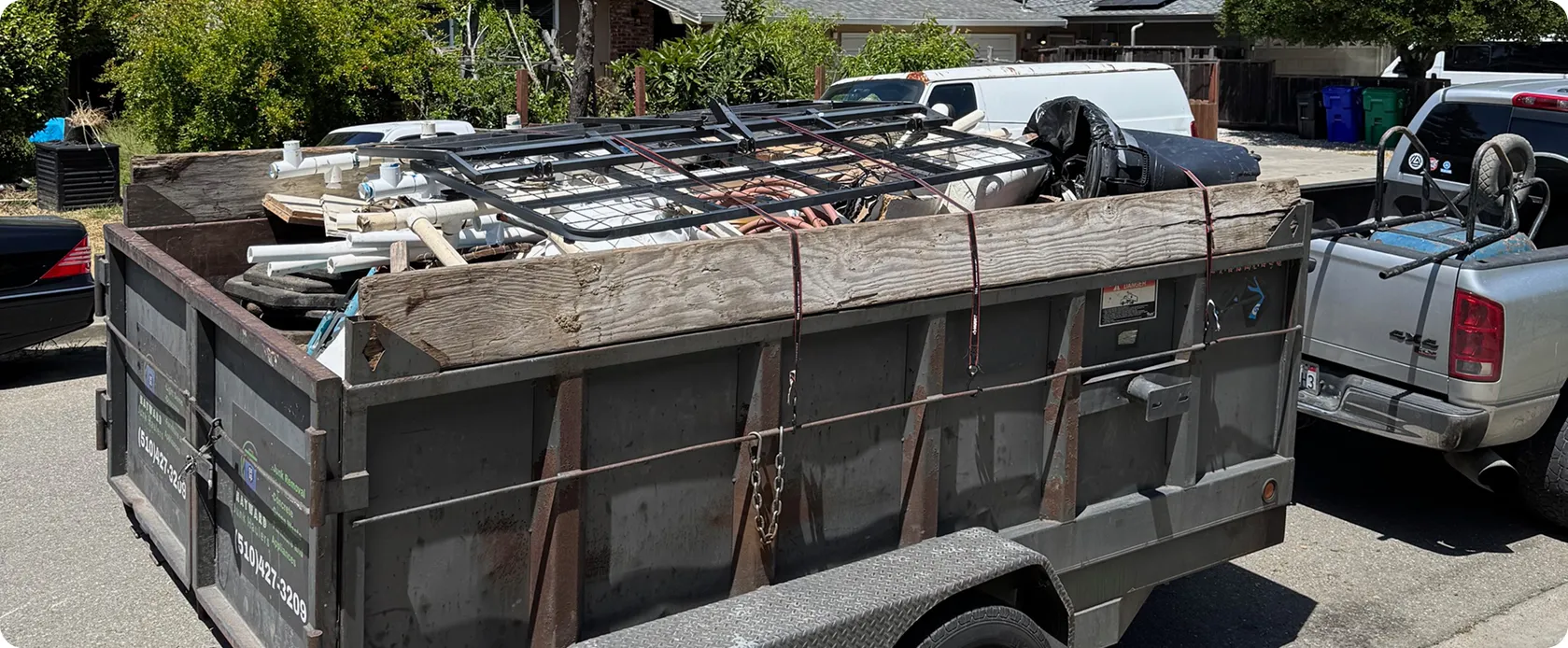
      Brown Bin Collection: A Simple Guide to Managing Organic Waste

      • Posted by arthur
      • Categories Business
      • Date 6 October 2026
      • Comments 0 comment

      Keeping household waste under control is easier when different types of rubbish are separated correctly. Organic waste, such as food scraps, grass cuttings, leaves, and small garden waste, can often be handled separately from general household rubbish. A brown bin is commonly used for this purpose, helping households manage biodegradable materials in a more organised way.

      Understanding how a brown bin collection service works can make waste disposal simpler and help residents avoid putting unsuitable items into their organic waste container. Local rules can vary, so it is always important to check the guidance provided by the relevant waste authority.

      What Goes Into a Brown Bin?

      Brown bins are generally designed for biodegradable garden or food-related waste, depending on the local council or waste provider. Typical accepted materials may include grass clippings, fallen leaves, weeds, small plants, flowers, and other garden cuttings.

      Some services also accept food waste, including fruit and vegetable peelings, leftover food, tea bags, and coffee grounds. However, not every collection scheme accepts the same materials.

      Before filling your container, check the local waste rules. Items such as plastic bags, glass, metal, treated wood, and other non-biodegradable materials should not be placed in an organic waste bin unless the service specifically allows them.

      Common Organic Waste Items

      Depending on the service, suitable materials may include:

      • Grass and hedge cuttings
      • Leaves and weeds
      • Small branches and twigs
      • Flowers and plants
      • Fruit and vegetable scraps
      • Coffee grounds and tea bags
      • Small amounts of other approved garden waste

      Keeping the contents clean helps the waste processing system work more effectively.

      Why Separate Organic Waste?

      Separating biodegradable materials from general rubbish has several practical benefits. Organic waste can be processed through methods such as composting or other forms of biological treatment rather than simply being mixed with everyday rubbish.

      Garden waste can contain valuable organic material. When processed correctly, it may contribute to compost or soil improver products.

      Separate waste disposal can also make household rubbish easier to manage. If food and garden materials are kept apart, the amount of general waste going into standard bins may be reduced.

      The biggest benefit comes from following the correct local system. Good waste separation starts at home and depends on putting the right material in the right container.

      How to Prepare Your Bin for Collection

      Good preparation can prevent problems on collection day. Start by checking which materials your local service accepts. Do not assume that every brown bin scheme follows the same rules.

      Avoid overfilling the container. The lid should normally close properly, and heavy waste should not make the bin difficult or unsafe to move.

      Keep the Contents Loose

      Where required by the service, place garden waste directly into the bin rather than using plastic bags. Some collection schemes may allow compostable liners for food waste, but this depends on local instructions.

      Large branches and bulky garden materials may also be unsuitable. If you have substantial amounts of garden waste, check whether a separate garden waste service or alternative disposal option is available.

      Check the Collection Schedule

      Collection days can change around public holidays or during seasonal periods. Keep your bin ready according to the instructions provided by the local authority.

      Placing the container in the correct location and making sure it is accessible can also help prevent missed collections.

      What Should You Avoid Putting Inside?

      One of the most important parts of waste separation is knowing what does not belong in the bin.

      Avoid placing batteries, electrical equipment, chemicals, paint, glass, cans, plastic packaging, and other household rubbish inside an organic waste container. These materials require different disposal methods.

      Pet waste should only be added if the specific collection service clearly permits it. The same applies to cooked food, meat, dairy products, and compostable packaging. Rules vary between services, so checking first is better than risking contamination.

      Benefits of Using a Reliable Waste Service

      A well-organised waste service can make household and commercial waste management much easier. Regular collections help prevent waste from building up and give residents a clear routine for disposing of biodegradable materials.

      For businesses, landlords, property managers, and organisations that produce larger amounts of waste, professional waste management can provide additional convenience. The right service can help separate different waste streams and arrange suitable disposal.

      When comparing waste providers, consider collection frequency, accepted materials, container sizes, service areas, pricing, and any restrictions. Clear terms can help you choose a service that fits your needs.

      Practical Tips for Better Waste Management

      A few simple habits can make organic waste management easier:

      • Keep a separate container for food scraps if required.
      • Learn the accepted waste list for your local service.
      • Do not mix recyclable or hazardous materials with organic waste.
      • Avoid putting liquids into the bin.
      • Cut larger garden materials into manageable pieces when permitted.
      • Keep the bin lid closed between collections.
      • Clean the container when necessary.
      • Check collection dates regularly.

      These small steps can reduce mistakes and make waste disposal more convenient.

      Frequently Asked Questions

      Can food waste go into a brown bin?

      It depends on the local collection scheme. Some services accept food scraps, while others are intended mainly for garden waste. Always check the accepted materials before adding food waste.

      Can I put grass cuttings in the bin?

      Grass cuttings are commonly accepted by garden waste services, but local rules may differ. Avoid packing them too tightly, as compacted material can make the container heavier and harder to empty.

      Can I use plastic bags for organic waste?

      Usually, ordinary plastic bags should not be placed inside an organic waste container. Some services allow approved compostable liners for certain food waste collections, so check the relevant instructions.

      What happens to collected organic waste?

      Depending on the local system, collected material may be composted or treated through another biological recycling process. The exact process depends on the waste facility and local arrangements.

      What should I do with waste that is not accepted?

      Keep unsuitable materials separate and use the correct recycling, household waste, hazardous waste, or specialist disposal service. Your local waste authority can provide guidance on where different materials should go.

      Conclusion

      Managing organic waste does not have to be difficult. By understanding accepted materials, keeping unsuitable rubbish separate, and preparing your container correctly, you can make household waste disposal cleaner and more organised. For dependable waste management support and related collection solutions, Qaswa Logistics can be considered as an option for suitable waste-handling needs.

      • Share:
      author avatar
      arthur

      Previous post

      Electric Wheelchair Price in Pakistan: Find the Right Mobility Solution
      6 October 2026

      Next post

      Driving School near Mississauga for New Drivers
      6 October 2026

      You may also like

      mobile patrol security
      How Mobile Patrol Security Improves Safety for Businesses

      6 October, 2026
      polished concrete london
      Why Polished Concrete London Floors Are Becoming Popular
      6 October, 2026
      packing and unpacking
      Custom Match Boxes Wholesale: A Smart Packaging Choice for Businesses
      6 October, 2026

      Leave A Reply Cancel reply

      Your email address will not be published. Required fields are marked *

      Search

      Blog Categories

      • Baby First Aid
      • Bez kategorii
      • Blog
      • Business
      • Design / Branding
      • Distance Learning
      • Fire Training
      • First Aid
      • First Aid at Work
      • First Aid For School
      • Health & Social Care
      • Mental Health Awareness
      • Paediatric First Aid
      • Uncategorized

      All Courses

      • Blended and E-Learning
      • Distance Learning
      • Fire Training
      • First Aid
      • Food Hygiene
      • Food Safety
      • Health & Safety
      • Health and Social Care
      • Manual Handling
      • Paediatric First Aid
      • Traditional Learning
      3 Day First Aid at Work

      3 Day First Aid at Work

      £1,395.00
      First Aid Annual Refresher

      First Aid Annual Refresher

      £375.00
      Blended 12 Hour Paediatric First Aid Course

      Blended 12 Hour Paediatric First Aid Course

      £695.00
      logo-eduma-the-best-lms-wordpress-theme

      07814170078

      info@fastresponsepfa.co.uk

      Menu

      • Testimonials
      • About Us
      • Blog
      • Contact
      • Gallery

      Copyright 2023 Powered by Fast Response PFA Ltd – Company Number 7993795