Bulk Water Delivery: When Businesses and Properties Need It
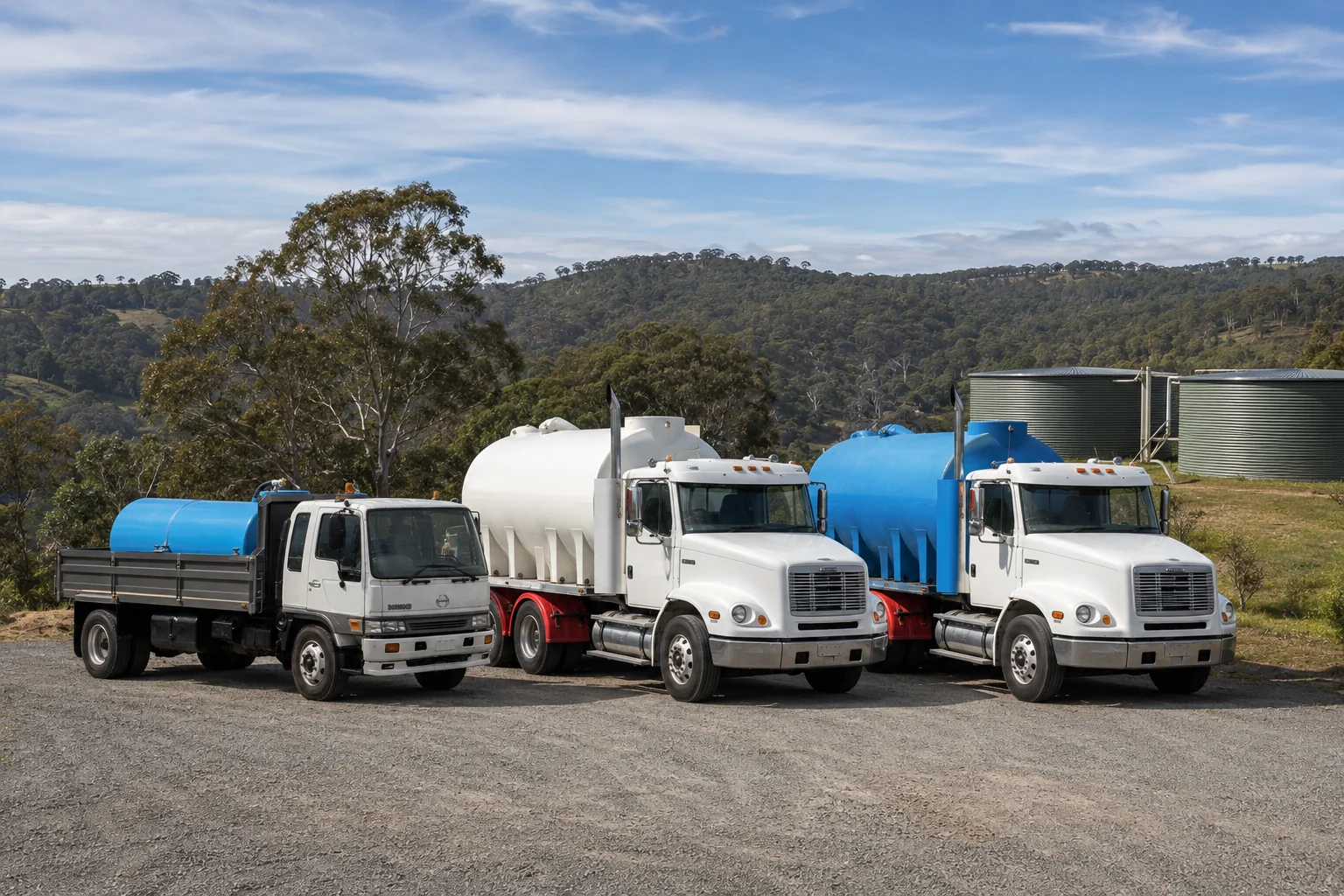
Water is easy to take for granted until a property suddenly does not have enough of it. A municipal interruption, drought, construction project, empty storage tank, or seasonal demand spike can create an operational problem within hours. In these situations, bulk water delivery can provide a practical way to move a large quantity of water to a location that cannot rely on its normal supply.
The need is not limited to emergencies. Businesses, farms, construction sites, property managers, event organizers, and industrial facilities may require delivered water as part of routine operations. Understanding when delivery makes sense—and how much water a property actually needs—can prevent unnecessary costs and reduce disruptions.
What Is Bulk Water Delivery?
Bulk water delivery is the transportation of large quantities of water by specialized tanker trucks or other suitable vehicles. The water is delivered directly to a designated location and may be transferred into storage tanks, cisterns, pools, or other approved systems.
The volume involved is substantially greater than ordinary bottled or containerized water. That makes delivery particularly useful when a property needs thousands of gallons at once rather than a small quantity for individual consumption.
The type of water required also matters. Potable water is intended for drinking, cooking, and other applications involving human consumption. Non-potable water may be appropriate for construction, dust control, irrigation, or certain industrial purposes. Businesses should confirm the required water specification before placing an order.
When Do Businesses and Properties Need Bulk Water?
Several situations can make delivered water a practical necessity.
1. Construction Projects
Construction sites frequently need water for dust suppression, concrete-related work, equipment cleaning, compaction, and other activities. A site located away from a dependable municipal connection may need water brought in regularly.
For example, a large road project may require water trucks to control airborne dust while crews work. Rather than relying on a temporary connection that cannot provide sufficient flow, scheduled deliveries can keep operations moving.
2. Commercial Properties
Hotels, restaurants, warehouses, apartment buildings, and other commercial properties can experience significant problems when their normal water supply is interrupted.
A temporary supply may be necessary during:
- Municipal water outages
- Plumbing repairs
- Tank maintenance
- Infrastructure failures
- Unexpected demand increases
- New-property commissioning
For a business that depends on continuous water access, having a contingency plan can be much less disruptive than arranging emergency service after a shortage occurs.
3. Agricultural and Rural Properties
Rural properties may not have access to the same water infrastructure available in urban areas. Farms, nurseries, livestock operations, and rural residences can therefore use delivered water when wells run low or seasonal conditions increase demand.
Water requirements should be calculated carefully. Livestock, crops, irrigation systems, and household use can produce very different consumption patterns.
4. Swimming Pools and Large Recreational Facilities
Filling a new pool or replenishing a large pool after maintenance can require thousands of gallons. Depending on local water restrictions, available infrastructure, and the property’s plumbing capacity, delivered water may be more practical than filling the pool through a standard household connection.
The same principle can apply to water features, recreational facilities, and certain temporary installations.
5. Emergency and Backup Situations
A water outage can become a serious operational issue when a property has no adequate storage reserve. Businesses that depend on water for sanitation, cooling, production, or daily customer service may need a rapid temporary solution.
Properties with critical operations should consider water delivery as part of broader business-continuity planning rather than waiting until an outage occurs.
How to Plan a Bulk Water Delivery
Ordering water is more than simply estimating a number of gallons. Several practical details affect the delivery.
Step 1: Calculate the Required Volume
Start by determining how much water is actually needed. Review current tank levels, expected consumption, and the duration of the project or interruption.
For example, if a property uses 1,000 gallons per day and expects a five-day disruption, it would theoretically require 5,000 gallons. A reasonable reserve may be appropriate if consumption is uncertain.
Step 2: Determine the Water Type
Identify whether potable or non-potable water is required. Drinking water and water used for dust suppression should not automatically be treated as interchangeable.
If the water will enter a building’s drinking-water system, verify the applicable quality and handling requirements before delivery.
Step 3: Check the Receiving Equipment
The delivery location needs an appropriate place to receive and store the water. Check tank capacity, inlet connections, access points, and overflow arrangements before the truck arrives.
A common planning mistake is ordering a large volume without confirming that the property can safely receive it.
Step 4: Confirm Truck Access
Delivery trucks need sufficient space to approach the property and position themselves safely. Narrow driveways, low bridges, overhead wires, steep grades, parked vehicles, and construction equipment can complicate access.
For large commercial or construction sites, identifying the unloading point in advance can save considerable time.
Step 5: Plan the Delivery Schedule
One large delivery is not always the best solution. Multiple smaller deliveries may make more sense when storage capacity is limited or consumption is spread across several weeks.
A simple delivery schedule can also reduce the risk of running out unexpectedly.
Common Mistakes and Challenges
One of the biggest mistakes is underestimating demand. Businesses sometimes calculate only normal consumption without accounting for weather, increased occupancy, production changes, or project requirements.
Another issue is ignoring storage capacity. If a tank holds 3,000 gallons, arranging delivery of 5,000 gallons does not solve the problem unless additional storage is available.
Access problems are another frequent challenge. A tanker cannot necessarily reach every location where water is needed. Measuring driveway width and identifying obstacles beforehand is especially important for residential properties and construction sites.
There is also a difference between water quantity and water suitability. A property may receive the correct volume but still have a problem if the water does not meet the intended use requirements.
Finally, businesses should avoid treating emergency delivery as their only water-management strategy. A temporary delivery can solve an immediate shortage, but recurring shortages may indicate that additional storage, infrastructure upgrades, or better demand planning are needed.
Practical Tips for Businesses and Property Managers
Keep an accurate record of average water consumption. Historical usage makes it easier to estimate how much water will be required during an outage or high-demand period.
Maintain adequate storage where practical. A backup tank can provide valuable flexibility, particularly for businesses where water interruption would stop operations.
Establish a contingency plan before an emergency occurs. Know where water will be received, how it will be distributed, who is responsible for arranging delivery, and what volume the property can handle.
For recurring projects, compare actual consumption with the original estimate after each delivery. This creates better data for future planning and helps identify whether deliveries are being scheduled too frequently or not frequently enough.
It is also wise to account for seasonal conditions. Landscaping businesses, agricultural properties, construction sites, and recreational facilities may experience dramatically different water requirements during hot or dry periods.
Conclusion
Bulk water delivery can be a practical solution whenever a property needs more water than its existing infrastructure can reliably provide. Construction sites, commercial buildings, farms, pools, rural properties, and businesses facing temporary outages may all benefit from planned deliveries.
The key is preparation. Calculate realistic demand, choose the correct type of water, verify storage capacity, confirm truck access, and establish a delivery schedule that matches actual usage. When these details are handled in advance, delivered water becomes more than an emergency fix—it becomes a useful part of reliable property and operational planning.

You may also like
Food Wrapping Paper Trends Every UK Business Should Know

What Types of Wedding Transport Can You Hire?