
Custom Tofu Boxes | Branded Tofu Food Packaging
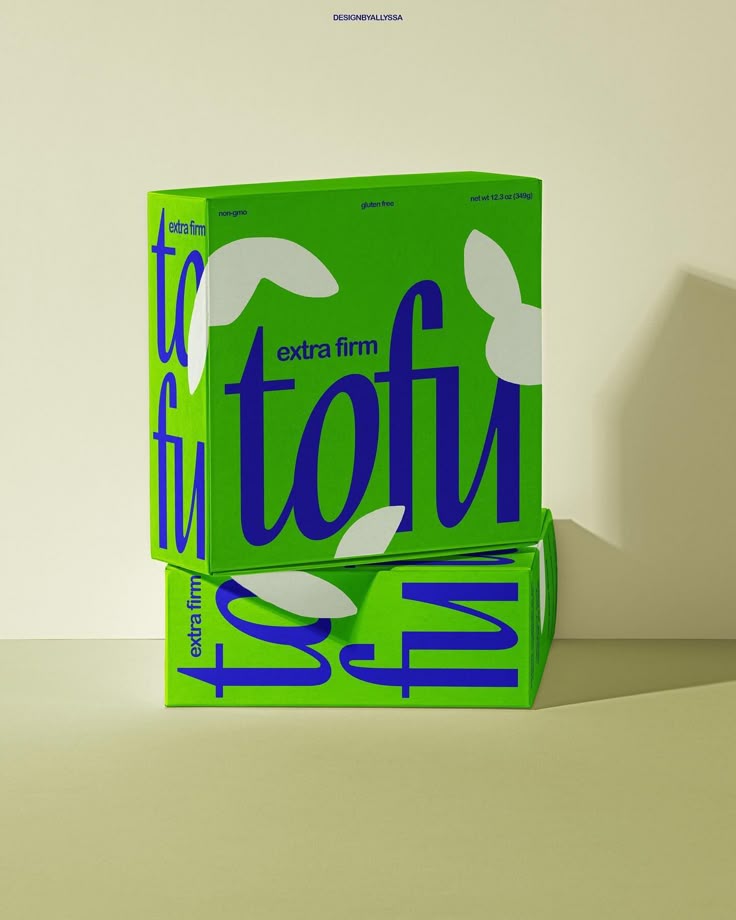
Tofu is a versatile food used in restaurants, meal services, grocery products, and plant-based menus. Because it can be soft, moist, and delicate, the packaging needs to be selected according to the product and how it will be stored, transported, displayed, or served. Custom tofu boxes provide businesses with an opportunity to create packaging that combines practical handling with a recognizable brand presentation.
The right package should do more than simply contain the product. It should accommodate the tofu properly, support the intended storage conditions, and provide enough protection during handling. For businesses selling ready-to-eat tofu meals or tofu-based products, packaging can also contribute to the overall presentation.
Custom printing adds another layer of value. A tofu box can display a logo, product name, ingredients, preparation information, brand colors, or other required details while maintaining a professional appearance.
What Are Custom Tofu Boxes?
Custom tofu boxes are food packaging boxes designed specifically for Tofu Packaging Wholesale products and tofu-based meals.
They can be produced in different sizes and structures depending on whether the product is sold fresh, prepared for takeaway, included in a meal, or presented as a retail product.
The packaging can be customized around the dimensions and weight of the tofu.
Businesses can also choose different materials, printing options, closures, inserts, and finishes according to their requirements.
Why Is Tofu Packaging Important?
Tofu can be softer and more moisture-sensitive than many dry food products.
Packaging therefore needs to consider the condition of the tofu and the environment in which it will be handled.
A properly designed package can help keep the product organized while reducing unnecessary movement.
For takeaway meals, the box should also be convenient for customers to carry and open.
For retail products, packaging may need to provide space for product information, storage instructions, branding, and other required details.
Custom Tofu Boxes for Restaurants
Restaurants can use tofu boxes for takeaway meals, tofu bowls, appetizers, stir-fry dishes, and other plant-based menu items.
The box can be sized around the actual portion to reduce unnecessary empty space.
A secure closure can help keep the meal contained during normal handling.
Custom printing can also make the packaging consistent with the restaurant’s other food boxes and takeaway materials.
For restaurants that offer both vegetarian and non-vegetarian products, clear labeling and organized packaging can make orders easier to identify.
Tofu Takeout Boxes
Takeout tofu meals can contain sauces, vegetables, rice, noodles, and other ingredients in addition to tofu.
This means the packaging should be selected for the complete meal rather than the tofu alone.
The box should provide enough capacity without leaving excessive space that allows food to shift during transportation.
Closure design is also important for takeaway orders.
Businesses should test the box with the actual meal to determine how it performs with heat, moisture, sauces, and movement.
Custom Printed Tofu Boxes
Custom printing allows a business to transform a simple food package into a branded product experience.
A logo can be printed prominently on the lid, while additional artwork can create a distinctive visual identity.
Restaurants may use repeating patterns, illustrations, or brand colors.
Retail tofu brands can use the package to communicate product information and differentiate different varieties.
The design should remain easy to read and should account for how the box will be folded, assembled, and displayed.
Kraft Tofu Boxes
Kraft packaging provides a natural and understated appearance.
It can work particularly well for organic food brands, vegetarian restaurants, plant-based businesses, and businesses with a minimalist visual identity.
A simple logo printed on kraft board can create a clean appearance.
Kraft packaging can also be fully printed when more detailed branding is required.
The specific kraft material should be verified for food-contact suitability and the moisture conditions associated with the tofu product.
Tofu Boxes With Windows
A window can allow customers to see the product without opening the package.
For prepared tofu meals, visibility can help showcase ingredients and presentation.
For retail products, a viewing panel may also help customers identify the product inside.
However, a window should only be incorporated when it is compatible with the required packaging performance.
The window material, placement, and attachment should be suitable for the intended food packaging application.
Tofu Meal Boxes
Many restaurants serve tofu as part of a complete meal rather than as an individual product.
Tofu meal boxes can be designed with enough space for tofu, rice, vegetables, sauces, and other components.
Compartments can be used when separation is important.
A divided interior can help prevent sauces from mixing with other ingredients and can make the meal look more organized.
The packaging should be tested with the actual portion sizes to ensure the compartments are practical.
Tofu Boxes for Delivery
Delivery introduces additional packaging challenges.
The box may be moved, stacked, tilted, and exposed to temperature changes during transportation.
Tofu meals containing sauces or liquids require packaging that can handle the conditions of the order.
The box should maintain its shape and closure during normal delivery handling.
Businesses should test the complete package with realistic delivery times to evaluate leakage, condensation, movement, and food presentation.
Food-Safe Tofu Packaging
Food-contact suitability is especially important when packaging tofu because the product may have direct contact with the inside of the package.
The paperboard, coatings, inks, adhesives, and other components should be appropriate for the intended application.
Temperature, moisture, acidity, grease, and contact duration can all influence packaging requirements.
Different packaging may be required for chilled tofu, hot prepared tofu meals, or shelf-stable tofu products.
Businesses should confirm the material specifications with their packaging supplier before production.
Tofu Packaging for Retail Products
Retail tofu packaging has different requirements from restaurant takeaway packaging.
The package may need to provide space for product names, ingredients, nutritional information, storage instructions, dates, barcodes, and other required details.
The structure should also be suitable for the product’s storage environment.
Branding can be used to distinguish different tofu varieties such as plain, seasoned, smoked, flavored, or specialty products.
Retail packaging should be designed around both shelf presentation and the conditions in which the product is stored.
Custom Tofu Boxes for Plant-Based Brands
Plant-based food brands often use packaging to communicate their overall identity.
A custom tofu box can reinforce the brand through natural colors, illustrations, typography, and carefully selected materials.
The packaging can also communicate information about the product’s ingredients and preparation.
However, environmental or nutritional claims should only be made when they are accurate and supported by appropriate information.
A clear design can help customers quickly understand what the product is and how it should be used.
Tofu Boxes With Custom Inserts
Some tofu products may require additional internal organization.
A custom insert can create separate spaces for multiple products, sauces, utensils, or complementary food items.
For gift or meal kits, inserts can keep the contents arranged in a specific order.
The insert should be designed around the actual product dimensions.
Too much pressure can damage delicate food packaging, while excessive space can allow movement.
Custom Tofu Boxes Wholesale
Wholesale tofu boxes can be useful for restaurants, food manufacturers, meal-preparation companies, retailers, and catering businesses.
Bulk ordering can help maintain consistent packaging across regular production.
Before placing a large order, businesses should calculate average usage and consider seasonal demand.
Important specifications include box dimensions, material, food-contact suitability, printing, coating, closure, quantity, storage, and shipping.
A sample order is useful for testing the package with the actual tofu product before full production.
How Much Do Custom Tofu Boxes Cost?
The cost of custom tofu boxes depends on the complete packaging specification.
Material, dimensions, box style, printing, coating, window options, inserts, quantity, packaging, and shipping can all affect the final price.
Simple kraft boxes may have a different cost from fully printed boxes with specialty structures.
For accurate comparisons, businesses should provide suppliers with the same specifications.
The cost per box should also be considered alongside storage, shipping, and material efficiency.
How to Choose the Right Tofu Box
Begin by identifying the tofu product and its condition.
Determine whether it will be chilled, hot, fresh, prepared as a meal, or sold as a retail product.
Measure the product and any additional ingredients that need to fit inside the package.
Consider moisture, sauces, condensation, transportation, and storage requirements.
Then select the box structure, material, printing, and closure.
Testing the packaging with the actual product is the best way to identify problems before ordering in bulk.
Tofu Boxes and Moisture Management
Moisture is an important consideration for tofu packaging.
Fresh tofu can contain significant moisture, while prepared tofu meals may also include sauces and other wet ingredients.
Excess moisture can affect paper-based packaging and may influence the texture and presentation of the food.
The appropriate material and construction should therefore be selected according to the actual product.
Businesses should test the package over the expected holding and transportation period rather than evaluating it only when the food is freshly packed.
Sustainability Considerations for Tofu Packaging
Custom papers wholesale can provide an alternative to some plastic-heavy formats, but sustainability depends on the complete construction.
Coatings, laminations, windows, adhesives, and other components can affect recyclability.
Food contamination can also influence disposal options.
Businesses should verify the actual material composition and local disposal requirements before making environmental claims.
Using appropriately sized boxes can also reduce unnecessary packaging material.
Final Thoughts
Custom tofu boxes provide a flexible packaging solution for restaurants, takeaway businesses, retailers, food brands, meal services, and plant-based companies.
The ideal box depends on the product’s moisture level, temperature, portion size, storage conditions, and transportation requirements.
Kraft packaging can provide a natural appearance, custom printing can strengthen brand recognition, and windows or compartments can improve product presentation when appropriate.
For commercial food packaging, material suitability should always come before appearance. Businesses should test the complete package with their actual tofu product to evaluate fit, moisture management, closure, transportation, and presentation.
When these factors are carefully considered, custom tofu packaging can protect the product while creating a cleaner and more recognizable customer experience.
Frequently Asked Questions
What are custom tofu boxes?
Custom tofu boxes are food packaging boxes designed around tofu products or tofu-based meals and customized according to the product and brand requirements.
Can tofu boxes be printed with a logo?
Yes. Custom tofu boxes can include logos, colors, patterns, illustrations, product names, and other branding elements.
Are custom tofu boxes food safe?
They can be manufactured with materials suitable for food packaging. The complete construction should be verified for the intended food-contact application.
Can kraft paper be used for tofu boxes?
Kraft board can be used for suitable food packaging applications when the specific material meets the required food-contact and moisture-performance requirements.
Can tofu boxes have windows?
Yes. A window can be added to some box structures to provide product visibility, provided the window material and construction are appropriate for the application.
Can tofu boxes be used for takeaway meals?
Yes. Tofu takeaway boxes can be designed to accommodate tofu along with rice, vegetables, sauces, noodles, and other meal components.
Can tofu boxes be used for delivery?
Yes, but the packaging should be tested for movement, moisture, condensation, sauces, stacking, and transportation time.
Can tofu boxes include compartments?
Yes. Compartments can separate tofu, sauces, vegetables, rice, or other meal components when the packaging structure allows it.
What size should a tofu box be?
The correct size depends on the tofu portion and any additional ingredients. Measuring the complete meal before selecting the box helps ensure a practical fit.
Can I order tofu boxes wholesale?
Yes. Wholesale tofu boxes are suitable for restaurants, food manufacturers, retailers, caterers, and meal-preparation businesses.
How much do custom tofu boxes cost?
Pricing depends on material, dimensions, printing, coatings, windows, inserts, box style, quantity, packaging, and shipping.
Are tofu boxes recyclable?
Some paperboard tofu boxes may be recyclable, but coatings, windows, adhesives, mixed materials, and food contamination can affect recyclability.
Do tofu boxes need moisture resistance?
The requirement depends on the tofu product and packaging conditions. Fresh tofu and saucy tofu meals may require different material specifications.
Can custom tofu boxes be used for retail packaging?
Yes. Retail tofu boxes can be designed to include branding, product information, labels, barcodes, and other required details.
Should tofu packaging be tested before bulk production?
Yes. Testing the box with the actual tofu product can help confirm fit, moisture management, structural performance, closure, storage, and transportation suitability.
