Deemak Control in Lahore for a Cleaner and Better-Protected Property
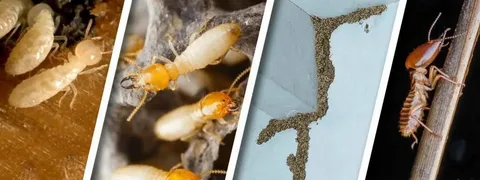
Deemak Control in Lahore
Deemak can quietly damage a property without being noticed for a long time. These small insects can move through wooden structures, floors, doors, cabinets, furniture, and hidden areas of a building while gradually weakening the material. Once a colony becomes established, ordinary cleaning may not be enough to solve the problem. Professional deemak control in Lahore can help identify the source of the infestation and provide a suitable approach for controlling it.
Whether you own a house, office, shop, warehouse, school, or another type of property, protecting the structure from deemak should be taken seriously. Early inspection and proper treatment can help prevent minor signs from becoming a much larger problem.
Why Deemak Is a Serious Property Concern
Deemak mainly feeds on materials containing cellulose, which makes wooden parts of a building particularly vulnerable. They can attack doors, window frames, cupboards, wooden flooring, furniture, shelves, and other items made from wood or similar materials.
The problem becomes more concerning because deemak often works in hidden locations. A property owner may not notice the insects directly, while damage continues behind surfaces or inside wooden structures. By the time clear signs become visible, the infestation may have already expanded.
Professional attention can help discover the problem earlier and reduce the risk of further damage.
Understanding How Deemak Enters Buildings
Deemak can enter a property through several routes. Soil around foundations, cracks, construction gaps, damp areas, plumbing spaces, and contact between wood and soil can create opportunities for infestation.
Some colonies remain underground and travel toward a building through hidden pathways. Others may enter directly into wooden structures. Because their movement is not always easy to detect, simply checking visible rooms may not reveal the complete problem.
A proper inspection should consider both the interior and exterior areas of the property to identify possible entry points and vulnerable locations.
Hidden Signs of Deemak Infestation
Many people only become concerned when they see damaged wood, but deemak can leave several other signs. Small holes, cracked surfaces, hollow-sounding wood, weakened furniture, and unusual changes in wooden structures may indicate an infestation.
In some cases, thin mud-like pathways can appear along walls or foundations. Discarded wings around windows or lights can also indicate the presence of mature termite colonies.
Doors and windows that suddenly become difficult to open may sometimes be associated with damage or moisture problems. These signs should be investigated rather than ignored.
Protect Your Wooden Furniture From Deemak
Furniture is often an important part of a home or office, making protection from deemak especially important. Tables, chairs, cabinets, shelves, beds, and wooden storage units can become affected when an infestation develops.
Damage may begin inside the wood, making it difficult to notice from the outside. A piece of furniture can appear normal while its internal structure is gradually weakened.
Regularly checking wooden furniture, especially items placed near damp walls or floors, can help property owners identify possible problems earlier. When signs are discovered, professional deemak control in Lahore can help determine whether treatment is required.
Deemak Problems in Newly Built Homes
A newly constructed property is not automatically protected from deemak. If suitable preventive measures are not considered during construction, termites may eventually find pathways into the building.
Construction materials, soil conditions, foundation areas, wooden structures, and moisture can all influence the possibility of future infestation. This is why prevention during construction can be an important part of property protection.
Pre-construction treatment can be planned before floors and other structural elements are completed, creating an additional protective barrier against future termite activity.
Post-Construction Deemak Treatment
Existing buildings can also be treated when deemak activity is discovered. Post-construction treatment requires careful assessment because the insects may be located behind walls, beneath floors, inside wood, or around foundations.
The treatment approach depends on the building structure and the location and severity of the infestation. Professional technicians can examine affected areas and determine where intervention may be necessary.
Treating only the visible damage may not solve the underlying problem. The colony and its possible pathways also need to be considered.
Why Professional Deemak Control Is Better Than Temporary Solutions
Home remedies may sometimes provide temporary relief, but they may not reach hidden colonies. Deemak can travel through concealed spaces, which means surface-level treatment may not address the actual source.
Professional pest control focuses on identifying where the activity is occurring and choosing a treatment method based on the property’s condition. This approach can provide a more complete solution than simply treating visible insects or damaged furniture.
Professional assistance is particularly important when the infestation appears to involve structural areas of a building.
Moisture Management Can Help Prevent Deemak
Moisture can create conditions that are favorable for many pest problems. Leaking pipes, damp walls, poor drainage, and water accumulation around a building can increase the risk of termite activity.
Property owners should regularly check areas where water may collect or remain for long periods. Plumbing leaks should be repaired, damp spaces should be improved, and proper ventilation should be maintained wherever possible.
Reducing moisture does not replace professional treatment when an infestation already exists, but it can support long-term prevention.
Deemak Control for Houses in Lahore
Residential properties can be particularly vulnerable because they often contain large amounts of wooden furniture, doors, cabinets, flooring, and decorative woodwork. A hidden infestation can gradually affect several rooms if it is not addressed.
Homeowners should pay attention to unusual changes in wooden surfaces and inspect areas that are rarely disturbed. Storage spaces, wall corners, wooden cabinets, and areas close to damp surfaces deserve additional attention.
Effective deemak control in Lahore can help homeowners protect their living spaces and reduce the possibility of long-term structural damage.
Protecting Offices and Commercial Properties
Deemak can also affect offices, shops, schools, warehouses, and other commercial buildings. Wooden desks, storage cabinets, doors, shelves, and interior fittings can become vulnerable.
Commercial properties may have larger areas and more hidden spaces than ordinary homes. This can make professional inspection important when signs of infestation appear.
Early treatment can help businesses protect their property and avoid unnecessary disruption caused by damaged furniture or wooden structures.
Regular Inspection Helps Catch Problems Early
Regular inspection is one of the most useful ways to identify deemak before the damage becomes severe. Property owners should not wait for major structural changes before investigating unusual signs.
An inspection can focus on wooden surfaces, foundations, damp areas, storage spaces, furniture, and other locations where termites may establish activity. Properties that have experienced previous infestations may require particular attention.
Early detection can make treatment more manageable and may help reduce the spread of the colony.
Choosing a Reliable Deemak Control Service
Selecting the right pest control professionals is important when dealing with a serious infestation. A dependable service should begin with proper inspection and understand the property’s specific condition before recommending treatment.
Experienced technicians can identify possible entry points, affected areas, and environmental factors that may support termite activity. They should also explain the treatment process clearly so that property owners understand what steps are being taken.
Good communication and careful inspection are important parts of effective pest management.
Long-Term Deemak Prevention for Your Property
After treatment, prevention should remain a priority. Property owners can reduce potential risks by keeping wooden materials away from unnecessary soil contact, controlling moisture, repairing leaks, maintaining drainage, and regularly inspecting vulnerable areas.
Furniture and wooden structures should also be kept in good condition. Cracks, water damage, and damaged surfaces should be addressed instead of being left unattended.
Combining professional treatment with sensible preventive habits can provide stronger long-term protection.
Take Action Before Deemak Damage Spreads
Deemak may be small, but the damage it causes can become significant when an infestation is ignored. Since these pests often remain hidden, waiting until they become clearly visible can allow the problem to develop further.
If you notice damaged wood, mud tubes, hollow surfaces, discarded wings, or other unusual signs, professional inspection can help determine whether deemak is present.
Choosing professional deemak control in Lahore can help protect your home, office, furniture, and wooden structures from ongoing damage. With early detection, suitable treatment, and regular prevention, property owners can create a stronger defense against deemak and maintain their buildings in better condition for the future.