How Do You Choose the Right Bus for Event Travel?
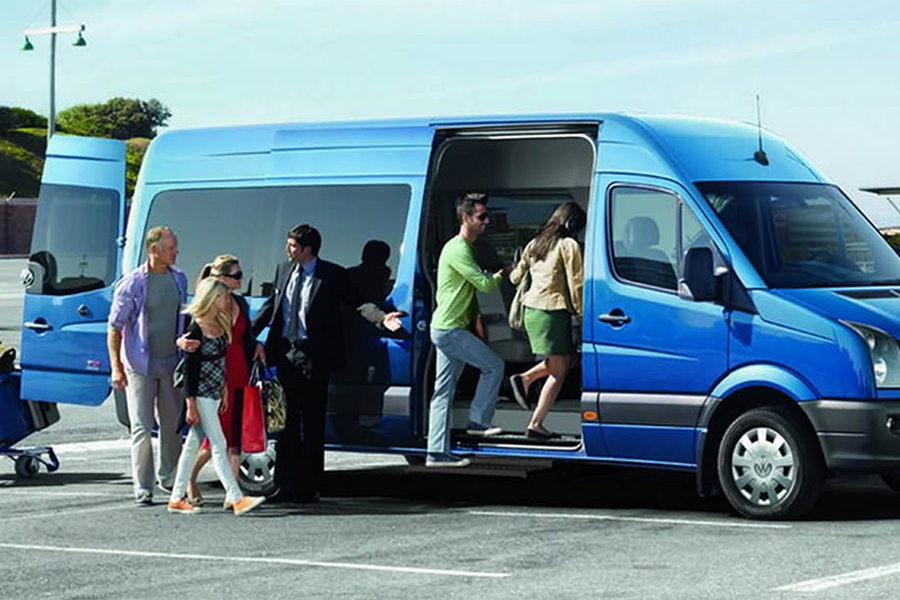
Arranging transport for an event can be more challenging than it seems initially. Attendees should arrive comfortably on time and without the hassle of navigating unfamiliar roads or searching for parking. Choosing from various Coaches For Hire options makes group travel much easier; however, the right choice depends on factors like your event, the number of guests, the distance of the journey, and your budget. A vehicle that is ideal for a brief local excursion may not be adequate for a lengthy trip. By considering several practical factors before booking, you can choose transport that keeps everyone comfortable and helps your event run smoothly from start to finish.
Begin With Your Guest List
The size of the travelling party should be your primary focus. Count all individuals requiring transport and allow a little flexibility. Choosing a vehicle that is too small can cause discomfort during travel, while reserving something too large may increase your costs. Consider whether all guests will travel together or if some groups will need separate vehicles. If attendees arrive from multiple sites, you may need multiple pick-up locations or additional coaches. Having a precise guest list from the start simplifies discussions with a transport provider about suitable options.
Align the Bus with Your Trip
Every event journey has diverse needs. A simple transfer between a hotel and a venue might only necessitate basic seating, while a full-day excursion may require enhanced comfort and onboard amenities. Consider how long passengers will be on the road. For longer trips, features like reclining seats, climate control, storage, and bathrooms can significantly improve the experience. For shorter trips, you might opt for a more basic vehicle to maintain budgetary limits.
Evaluate Comfort and Onboard Amenities
Your guests’ experience matters, especially when transportation is part of a significant event. No one wants to start an occasion feeling uneasy after an overcrowded journey. Review the seating configuration and legroom before making a reservation. Depending on the vehicle, you may also discover amenities such as air conditioning, charging stations, entertainment systems, Wi-Fi, or additional luggage space.
Prioritize Accessibility
Accessibility ought to be a fundamental consideration, not an afterthought. Ask whether the vehicle can accommodate passengers with mobility challenges and has enough room for wheelchairs or other necessary equipment. If you have older guests or individuals with disabilities attending, consider how easy it is to board and disembark the vehicle. Relay any specific needs to the transport provider before confirming your booking.
Review Pick-Up and Drop-Off Arrangements
A clearly defined route can enhance the efficiency of event transportation. Determine the locations where guests will be picked up, where they will be dropped off, and how much time should be allocated for each stop. Avoid creating an overly complex route with excessive collection sites. This could lead to delays and complicate maintaining the event schedule.
Evaluate Prices and Booking Conditions
Price is certainly a significant factor in your choice, but opting for the lowest bid doesn’t always guarantee the best fit. Review what each service provider includes in their rates and ask whether there are additional charges for waiting time, extra distance, parking, or multiple drop-off points. Ask about cancellation policies, payment timelines, and what happens if your event schedule changes. Make sure you understand the full cost before finalising your reservation.
Reserve Early for a Seamless Experience
Once you know the number of guests, the route, the type of vehicle needed, and your budget, arrange your transportation promptly. Popular dates can fill up quickly, especially during wedding seasons, holidays, weekends, and major events. Supply the transport service with precise information and store your reservation details in an easily accessible location. Confirm the pick-up time, location, number of passengers, and contact information before the event.
Conclusion
Selecting the right bus means matching the vehicle to your guests’ needs rather than choosing the largest or most extravagant option. By considering capacity, comfort, accessibility, route, cost, and schedule together, managing group travel becomes much easier. Effective planning lets your guests focus on enjoying the event while their travel stays pleasant, orderly, and stress-free.
Visit fastresponsepfa for more informative blogs.
Tag:Travel

You may also like

Best Slush Drink Flavours For Kids And Summer Party Ideas