• Home
  • Traditional Learning

    First Aid

    • 3 Day First Aid at Work
    • Emergency First Aid at Work
    • First Aid at Work Re-qualification
    • First Aid Annual Refresher
    • Automated External Defibrillator (AED)
    • Paediatric First Aid 6 hours
    • Paediatric First Aid 12 hours
    • Allergy and Anaphylaxis Training (Benedict’s Law)
    • First Aid in Schools 18hrs
    • Emergency First Aid at Work and Paediatric 12hrs Combined
    • First Aid in School 1 Day
    • First Aid Course for Parents

    Health & Safety

    • Health and Safety in the Work Place Level 3
    • Health and Safety Awareness

    Food Hygiene

    • Food Safety Level 3
    • Basic Food Hygiene
    • Allergen Awareness

    Fire Safety

    • Fire Marshal
    • Fire Safety Awareness

    Manual Handling

    • Manual Handling Level 2
    • Manual Handling Awareness

    Health & Social Care

    • Administering of Medication
    • Safeguarding Adults
    • Dementia Awareness
    • Infection Control
    • Mental Capacity Act and DoLS
    • Mental Health Awareness​
    • Nutrition and Health
    • Whistleblower Training
  • Distance Learning

    Level 2

    • Mental Health Awareness
    • Personal Exercise, Nutrition & Health
    • Falls Prevention Awareness
    • Common Health Conditions
    • Cleaning Principles
    • Principles of Team Leading
    • Customer Service in Care
    • Safe Handling of Medication
    • Behaviour That Challenges
    • End of Life Care
    • Principles in Care Planning
    • Dignity and Safeguarding

    Level 2

    • Adult Social Care
    • Nutrition and Health
    • Infection Control
    • Equality and Diversity
    • Safeguarding and Prevent
    • Dementia Care
    • Common Childhood Illnesses
    • Children and Young People’s Mental Health
    • Specific Learning Difficulties
    • Management of Diabetes
    • Dementia Care

    Level 2

    • Caring for Children and Young People
    • Learning Disabilities
    • Understanding Autism
    • Customer Service in Hospitality
    • Counselling Skills
    • Warehousing and Storage
    • Lean Organisation Management
    • Information Advice and Guidance
    • Customer Service
    • Business Administration
    • Retail Operations

    Level 2

    • Business Start Up
    • Business Improvement Techniques
    • Data Protection and Data Security
    • Mental Health First Aid
    • Personal Care Needs
    • Technology Enabled Care
    • Tenant Support in Social Housing
    • Workplace Violence and Harassment
    • Climate Change and Environmental Awareness
  • Blended & E-Learning

    Blended Learning

    • Blended First Aid Training at Work
    • Blended Emergency First Aid at Work
    • Blended 12 Hour Paediatric First Aid Course
    • Blended Combined Paediatric 12 hrs and First Aid at Work
    • Blended Combined Paediatric 12hrs and Emergency First Aid at Work

    E-Learning

    • Manual Handling Level 2
    • Chaperoning Training in Primary Care
    • Annual First Aid Refresher Update
    • CPR / AED and Medical Emergencies for Dental Professionals
    • First Aid Awareness for Water Based Settings
    • Outdoor First Aid Course
    • Safeguarding Children Course

    E-Learning

    • Fire Marshal Training
    • Level 2 Food Safety
    • Prevent Duty Training
    • Fire Safety Training for Early Years
    • First Aid for Parents Course
    • Risk Assessment for Nurseries
    • Family First Aid Course
    • Allergy and Anaphylaxis Awareness for Schools (Benedict’s Law)

    E-Learning

    • Infection Control Training for Children’s Activity Providers
    • Basic Life Support Training Annual Update for Primary Care (Clinical)
    • CPR Training Annual Update for Primary Care (Non-Clinical)
  • Features
    • Why Choose Us
    • Testimonials
    • Contact
    • Gallery
    • About Us
    • First Aid Training During Covid 19
    • Terms and Conditions
    • Privacy Policy and Cookies
    • Blog
    Have any question?
    07814170078
    info@fastresponsepfa.co.uk
    First Aid
    • Home
    • Traditional Learning

      First Aid

      • 3 Day First Aid at Work
      • Emergency First Aid at Work
      • First Aid at Work Re-qualification
      • First Aid Annual Refresher
      • Automated External Defibrillator (AED)
      • Paediatric First Aid 6 hours
      • Paediatric First Aid 12 hours
      • Allergy and Anaphylaxis Training (Benedict’s Law)
      • First Aid in Schools 18hrs
      • Emergency First Aid at Work and Paediatric 12hrs Combined
      • First Aid in School 1 Day
      • First Aid Course for Parents

      Health & Safety

      • Health and Safety in the Work Place Level 3
      • Health and Safety Awareness

      Food Hygiene

      • Food Safety Level 3
      • Basic Food Hygiene
      • Allergen Awareness

      Fire Safety

      • Fire Marshal
      • Fire Safety Awareness

      Manual Handling

      • Manual Handling Level 2
      • Manual Handling Awareness

      Health & Social Care

      • Administering of Medication
      • Safeguarding Adults
      • Dementia Awareness
      • Infection Control
      • Mental Capacity Act and DoLS
      • Mental Health Awareness​
      • Nutrition and Health
      • Whistleblower Training
    • Distance Learning

      Level 2

      • Mental Health Awareness
      • Personal Exercise, Nutrition & Health
      • Falls Prevention Awareness
      • Common Health Conditions
      • Cleaning Principles
      • Principles of Team Leading
      • Customer Service in Care
      • Safe Handling of Medication
      • Behaviour That Challenges
      • End of Life Care
      • Principles in Care Planning
      • Dignity and Safeguarding

      Level 2

      • Adult Social Care
      • Nutrition and Health
      • Infection Control
      • Equality and Diversity
      • Safeguarding and Prevent
      • Dementia Care
      • Common Childhood Illnesses
      • Children and Young People’s Mental Health
      • Specific Learning Difficulties
      • Management of Diabetes
      • Dementia Care

      Level 2

      • Caring for Children and Young People
      • Learning Disabilities
      • Understanding Autism
      • Customer Service in Hospitality
      • Counselling Skills
      • Warehousing and Storage
      • Lean Organisation Management
      • Information Advice and Guidance
      • Customer Service
      • Business Administration
      • Retail Operations

      Level 2

      • Business Start Up
      • Business Improvement Techniques
      • Data Protection and Data Security
      • Mental Health First Aid
      • Personal Care Needs
      • Technology Enabled Care
      • Tenant Support in Social Housing
      • Workplace Violence and Harassment
      • Climate Change and Environmental Awareness
    • Blended & E-Learning

      Blended Learning

      • Blended First Aid Training at Work
      • Blended Emergency First Aid at Work
      • Blended 12 Hour Paediatric First Aid Course
      • Blended Combined Paediatric 12 hrs and First Aid at Work
      • Blended Combined Paediatric 12hrs and Emergency First Aid at Work

      E-Learning

      • Manual Handling Level 2
      • Chaperoning Training in Primary Care
      • Annual First Aid Refresher Update
      • CPR / AED and Medical Emergencies for Dental Professionals
      • First Aid Awareness for Water Based Settings
      • Outdoor First Aid Course
      • Safeguarding Children Course

      E-Learning

      • Fire Marshal Training
      • Level 2 Food Safety
      • Prevent Duty Training
      • Fire Safety Training for Early Years
      • First Aid for Parents Course
      • Risk Assessment for Nurseries
      • Family First Aid Course
      • Allergy and Anaphylaxis Awareness for Schools (Benedict’s Law)

      E-Learning

      • Infection Control Training for Children’s Activity Providers
      • Basic Life Support Training Annual Update for Primary Care (Clinical)
      • CPR Training Annual Update for Primary Care (Non-Clinical)
    • Features
      • Why Choose Us
      • Testimonials
      • Contact
      • Gallery
      • About Us
      • First Aid Training During Covid 19
      • Terms and Conditions
      • Privacy Policy and Cookies
      • Blog

      Blog

      • Home
      • Blog
      • Essential Trolling Equipment for a Successful Fishing Trip
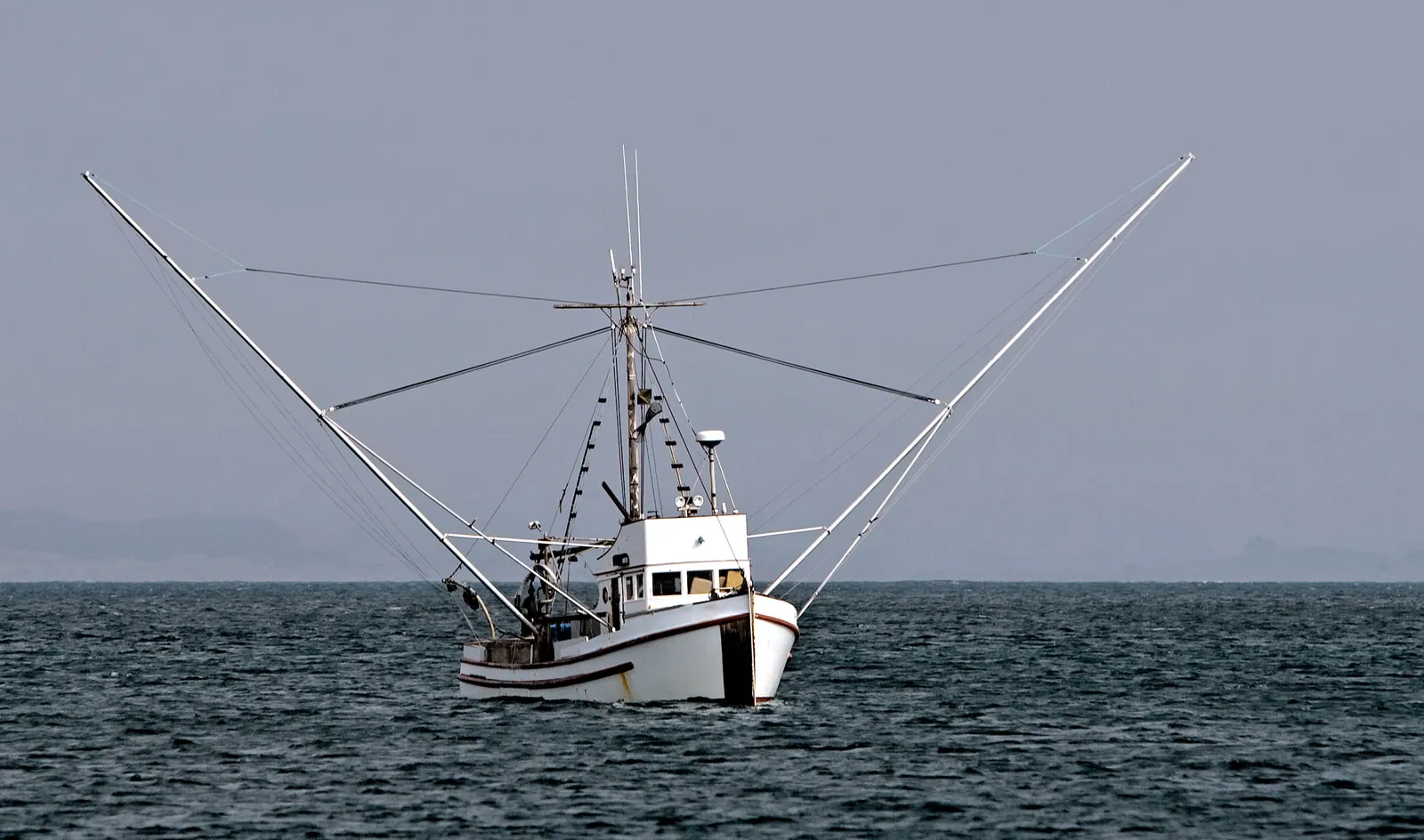
      Essential Trolling Equipment for a Successful Fishing Trip

      • Posted by meh.riztech
      • Categories Blog
      • Date 15 September 2026
      • Comments 0 comment

      Trolling can be one of the most productive ways to catch predatory fish, but success depends on more than putting a lure behind a moving boat. The right setup helps you control depth, maintain consistent lure action, detect strikes, and handle fish safely once they hit. Choosing appropriate trolling equipment is therefore an important part of preparing for a productive day on the water.

      Whether you’re targeting freshwater species such as walleye and lake trout or saltwater fish such as salmon, kingfish, tuna, and mahi-mahi, your equipment needs to match the conditions and the species. A poorly matched rod, weak connection, or unsuitable lure can turn a promising trip into a frustrating one.

      Understanding the Essential Trolling Equipment

      Trolling involves pulling one or more lures or baits behind a moving boat at a controlled speed. Because the boat provides the movement, your gear has different demands than equipment used for casting or stationary fishing.

      A basic trolling setup normally includes a trolling rod, reel, fishing line, leaders, terminal tackle, lures or bait, and equipment for controlling lure depth. Depending on the type of fishing, you may also need downriggers, planer boards, trolling weights, rod holders, and electronic fish-finding equipment.

      The key is not simply buying the heaviest or most expensive equipment. Each component should work with the others.

      Trolling Rods

      Trolling rods are designed to withstand sustained pressure while a lure is being pulled through the water. They are generally longer and more durable than many casting rods, giving anglers better leverage and helping spread multiple lines away from the boat.

      Rod power should correspond to the fish you’re targeting. Light or medium setups can work well for smaller freshwater species, while heavier rods are more appropriate for large salmon, striped bass, or offshore species.

      A moderate-action rod can also provide some forgiveness when a fish strikes, reducing the chance of pulling the hook before it is properly set.

      Reels

      Line capacity and drag performance are particularly important when trolling. A fish can strike while the boat is moving, immediately creating substantial tension.

      Conventional trolling reels are popular because they provide plenty of line capacity and are easy to control under heavy loads. Level-wind models can be convenient for beginners because they distribute line across the spool automatically.

      Before leaving the dock, check that the drag moves smoothly. A sticky drag can cause sudden tension changes that contribute to broken lines or pulled hooks.

      Fishing Line and Leaders

      Line selection depends on water conditions, target species, lure type, and trolling depth.

      Braided line offers high strength with relatively little diameter, making it useful when anglers need to get lures deeper or want increased sensitivity. Monofilament provides more stretch, which can be beneficial when fish make sudden runs close to the boat.

      Fluorocarbon leaders are commonly used when reduced visibility and abrasion resistance are important. Regardless of the material, inspect leaders frequently. A few damaged inches near the lure can be enough to lose a fish.

      A Practical Step-by-Step Trolling Setup

      A reliable trolling system starts before the boat moves.

      1. Match the Gear to the Target Species

      Start by identifying the fish you’re pursuing. A setup designed for lake trout may be completely inappropriate for offshore tuna.

      Consider the fish’s average size, expected fighting strength, water depth, and local conditions. Then select your rod, reel, line, leader, and terminal tackle accordingly.

      2. Choose the Right Lure

      Different lures produce different actions and operate effectively at different speeds. Spoons, crankbaits, plugs, soft plastics, and natural bait rigs all have specific applications.

      For example, a deep-diving crankbait can be useful when targeting suspended freshwater predators, while a spoon may produce a strong flash that attracts fish in open water.

      Don’t automatically assume the largest lure will attract the largest fish. Match lure size and action to the forage available in the area.

      3. Control Your Depth

      Depth is often one of the biggest factors in trolling success. Fish may be concentrated near the surface, suspended in the middle of the water column, or holding close to the bottom.

      Downriggers allow anglers to position lures at relatively precise depths. Planer boards can spread lines away from the boat and help cover a wider area. Trolling weights provide another simple method for getting lures deeper.

      If you’re marking fish on a fish finder but getting no strikes, changing depth can be more productive than constantly changing lures.

      4. Establish a Consistent Speed

      Trolling speed influences how a lure behaves. Too slow, and some lures may fail to produce their intended action. Too fast, and others may spin or move unnaturally.

      Rather than relying entirely on a speedometer, observe how your lure behaves when it enters the water. If the action looks erratic, experiment with small speed adjustments.

      Once you find a productive combination of speed and lure action, repeat it.

      5. Set the Drag Correctly

      The drag should provide enough resistance to maintain hook pressure without preventing a strong fish from taking line.

      Set it before deploying your lines, then test it manually. If you’re using multiple rods, keeping their drag settings reasonably consistent makes it easier to respond when one rod gets a strike.

      Common Trolling Mistakes and Challenges

      One frequent mistake is using equipment that is too light for the target species. Lightweight gear may be enjoyable for smaller fish but can fail when a larger fish makes a powerful run.

      Another problem is ignoring line condition. Trolling exposes line and leaders to continuous friction, especially around rocks, vegetation, structure, and terminal tackle. Inspect the first several feet of line regularly.

      Running too many lines can also create unnecessary complications. Beginners sometimes believe more lines automatically mean more fish. In reality, tangled lines can cost more opportunities than additional rods create. Start with a manageable number and expand as you become comfortable.

      Ignoring boat movement is another common issue. Sharp turns can cause inside lines to slow down while outside lines accelerate. This can change lure action and depth dramatically.

      Practical Tips for Better Trolling Results

      Keep a simple record of productive conditions. Note the lure, depth, trolling speed, water temperature, weather, and approximate location. Patterns often become obvious after several trips.

      Change only one variable at a time when possible. If you simultaneously change your lure, depth, speed, and line length, you won’t know what caused an improvement.

      Keep replacement leaders, hooks, swivels, and basic terminal tackle onboard. Losing a productive lure is frustrating, but ending a trip because of a damaged leader or missing swivel is avoidable.

      Sharp hooks also matter more than many anglers realize. Check them periodically and replace or sharpen them when necessary.

      Finally, organize your rods and lines before entering productive water. Labeling or separating tackle by depth can save valuable time when fish are active.

      Conclusion

      Successful trolling is largely about consistency. The right rod, reel, line, leader, lure, depth-control system, and boat speed should work together rather than being selected independently. Start by matching your equipment to the target species and fishing environment, then make controlled adjustments based on what you observe.

      With a properly balanced setup and a willingness to track what works, trolling becomes less about guessing and more about repeating proven patterns. That approach can make every fishing trip more efficient, manageable, and rewarding.


      • Share:
      author avatar
      meh.riztech

      Previous post

      Seasonal Shopping Made Easier With Brand Voucher Codes
      15 September 2026

      Next post

      What Is a No-Deposit Casino Bonus and How Does It Work?
      15 September 2026

      You may also like

      Nursing Essay
      Why Am I Scoring Low on My Nursing Essay? 10 Common Mistakes and How to Improve?
      7 October, 2026
      IPTV Subscription vs. Cable TV: Which Is Higher?
      7 October, 2026

      Television has changed dramatically over the previous decade. Traditional cable TV was once the standard way to access entertainment, news, sports, and flicks, however internet-based television services have created new alternatives. One of the most popular options is an IPTV …

      Monthly vs. Yearly IPTV Subscription: Which Ought to You Choose?
      7 October, 2026

      Choosing an IPTV subscription usually comes down to more than just choosing a provider or channel package. One of the crucial necessary decisions is whether or not to pay monthly or commit to a yearly plan. Both options can provide …

      Leave A Reply Cancel reply

      Your email address will not be published. Required fields are marked *

      Search

      Blog Categories

      • Baby First Aid
      • Bez kategorii
      • Blog
      • Business
      • Design / Branding
      • Distance Learning
      • Fire Training
      • First Aid
      • First Aid at Work
      • First Aid For School
      • Health & Social Care
      • Mental Health Awareness
      • Paediatric First Aid
      • Uncategorized

      All Courses

      • Blended and E-Learning
      • Distance Learning
      • Fire Training
      • First Aid
      • Food Hygiene
      • Food Safety
      • Health & Safety
      • Health and Social Care
      • Manual Handling
      • Paediatric First Aid
      • Traditional Learning
      3 Day First Aid at Work

      3 Day First Aid at Work

      £1,395.00
      First Aid Annual Refresher

      First Aid Annual Refresher

      £375.00
      Blended 12 Hour Paediatric First Aid Course

      Blended 12 Hour Paediatric First Aid Course

      £695.00
      logo-eduma-the-best-lms-wordpress-theme

      07814170078

      info@fastresponsepfa.co.uk

      Menu

      • Testimonials
      • About Us
      • Blog
      • Contact
      • Gallery

      Copyright 2023 Powered by Fast Response PFA Ltd – Company Number 7993795