Essential First Aid Skills Every University Student Should Know in the UK
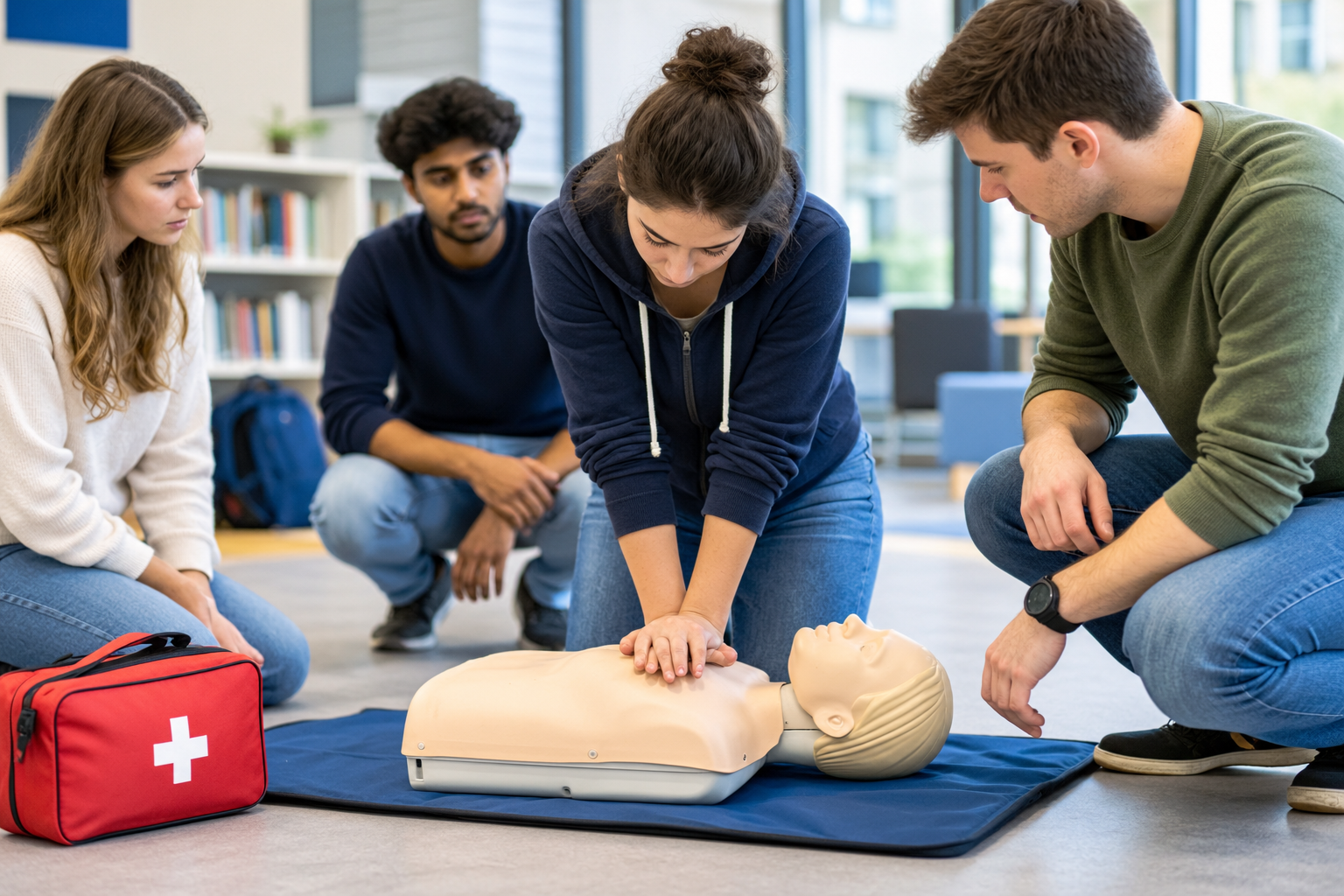
University life in the UK can be exciting, but accidents can happen when you least expect them. A student may burn their hand while cooking, faint during a lecture, cut themselves during practical work, or see a friend suddenly become unwell. In these moments, panic can make a simple situation feel much worse. Knowing what to do before professional help arrives can protect someone from further harm. Learning first aid is not only useful for personal safety but also helps students feel more confident during emergencies. Understanding a few simple skills could make a real difference when every second matters.
Essential First Aid Skills Students Should Learn
Students do not need to become medical experts to respond effectively. The first step is knowing how to stay calm, check whether the area is safe, and understand when professional medical assistance is needed.
Important skills to learn include:
- Calling 999 when there is a serious emergency
- Checking whether an unconscious person is breathing normally
- Performing CPR and using an AED when appropriate
- Treating minor cuts, burns and sprains
- Helping someone who is choking
- Placing an unconscious, breathing person in the recovery position
These basic first aid skills can be especially useful in shared accommodation, university laboratories, sports facilities and busy student events.
How Students Can Prepare for an Emergency
Being prepared is easier when students know where to find help. Universities usually have emergency procedures, security teams, first aiders and health services that students should become familiar with after arriving on campus.
Students can take a few simple steps:
- Save university security and emergency contact numbers
- Find the nearest first aid kit and AED
- Learn the location of campus medical facilities
- Tell friends about important allergies or medical needs
- Consider completing student first aid training
A recognised first aid course UK students can access may also provide practical experience, making it easier to react confidently rather than freeze during an emergency.
Mistakes to Avoid During First Aid
One of the biggest mistakes students make is rushing into an unsafe situation. Before helping another person, check for dangers such as fire, electricity, traffic, broken glass or harmful chemicals. Your safety matters too, because becoming another casualty can make the situation worse.
Another common mistake is assuming that every injury needs the same response. A small cut is different from severe bleeding, while someone who is unconscious requires a completely different approach. When unsure, contact emergency services and follow the instructions given by the operator.
Students should also avoid:
- Giving food or drink to an unconscious person
- Moving someone unnecessarily after a serious injury
- Putting themselves at risk to reach an injured person
- Ignoring symptoms because they appear minor
- Delaying professional medical help
- Giving medication unless it is appropriate and they know what they are doing
Good first aid awareness for students means understanding the limits of your knowledge. First aid is about providing immediate, sensible support until qualified medical assistance becomes available. It is not about trying to diagnose or treat serious medical conditions yourself.
For students working on health, nursing or safety-related university assignments, reliable information also matters. Using University Assignment Research, checking Academic Sources for Assignments, and consulting trustworthy organisations can help students understand first aid topics accurately. Students seeking Assignment Writing Help UK should also make sure their academic work uses credible evidence rather than unsupported health claims.
Conclusion
Knowing emergency first aid skills can give university students confidence when something goes wrong. Learn simple responses, understand when to call 999, know where campus support is available, and practise safely. A few minutes of preparation today could help you respond calmly and responsibly when someone needs immediate assistance.