
Flexible Metal Hose: Applications, Benefits, and Selection Tips
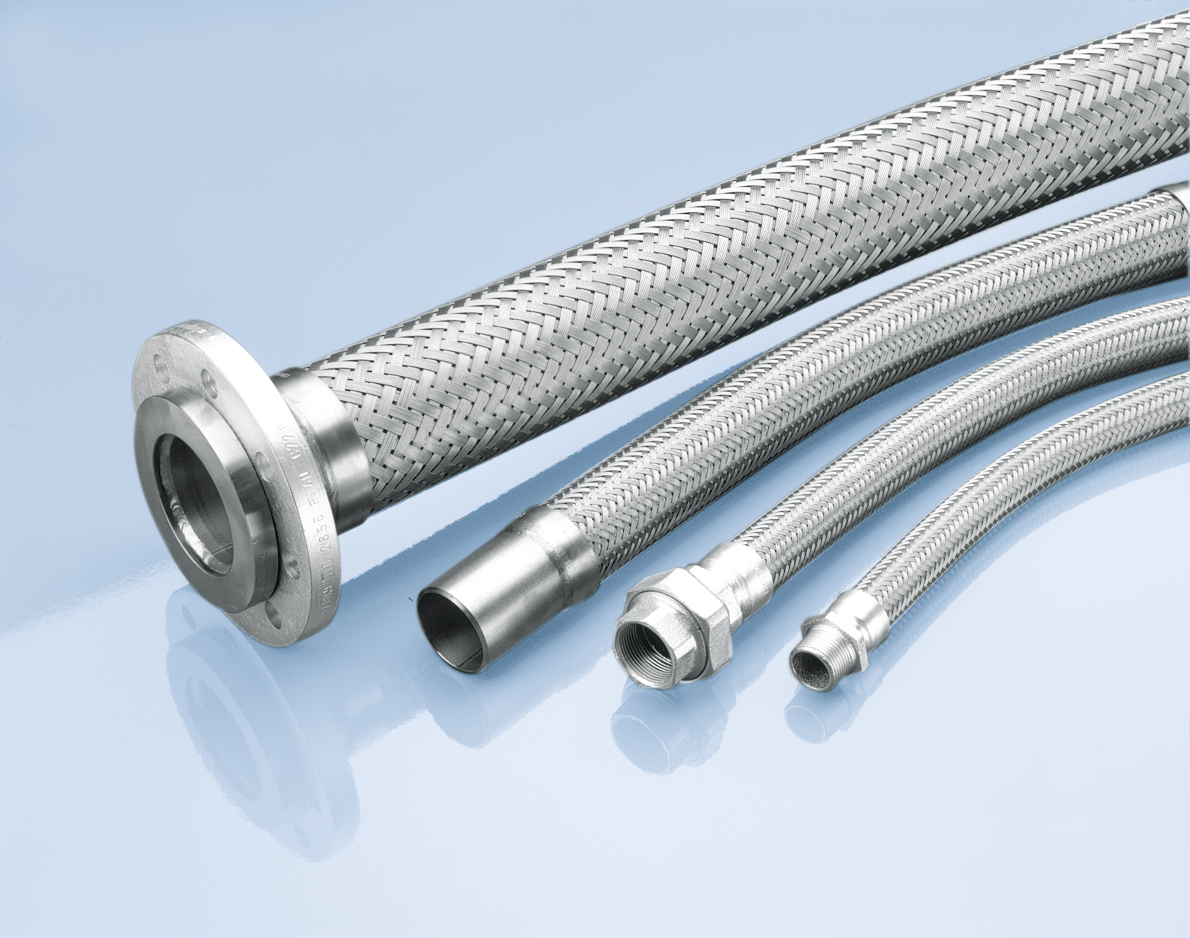
Flexible metal hose plays an important role in industrial systems where rigid piping cannot provide the movement, vibration control, or installation flexibility required. These hoses are commonly used to transport gases, liquids, steam, chemicals, and other demanding media while accommodating movement between connected components. Unlike ordinary rubber or plastic hoses, metal construction can provide better resistance to high temperatures, pressure, and harsh operating environments.
Choosing the right hose, however, requires more than simply selecting a flexible connection that fits the pipe size. Material, pressure, temperature, movement, connection type, and installation conditions all affect service life and safety. A properly selected flexible metal hose can solve recurring problems such as vibration, thermal expansion, equipment movement, and alignment issues without becoming a weak point in the system.
What Is a Flexible Metal Hose?
A flexible metal hose is a corrugated metal tube designed to bend or move while carrying fluids or gases. The corrugations allow the hose to flex without requiring the metal tube itself to bend sharply. Many industrial assemblies also include an external metal braid, which helps reinforce the hose and manage pressure loads.
Stainless steel is one of the most common materials because it combines flexibility with corrosion and temperature resistance. Different grades and construction methods are available, so the best option depends on the application rather than simply choosing the most durable-looking hose.
Flexible metal hoses are particularly useful when equipment moves during operation or when temperature changes cause piping to expand and contract. They can also isolate vibration generated by pumps, compressors, engines, and other rotating machinery.
Where Are Flexible Metal Hoses Used?
The versatility of metal hose makes it suitable for a wide range of industrial and commercial applications.
Steam and High-Temperature Systems
Metal hoses can be used in systems where temperatures exceed the practical operating range of many elastomeric hoses. Steam lines, heating equipment, and thermal processing systems may require materials capable of maintaining mechanical integrity under elevated temperatures.
Gas and Fuel Connections
Gas systems often require flexible connections between stationary piping and equipment that may vibrate or move slightly. Metal construction can provide a robust solution when the hose material is compatible with the gas being transported.
Chemical Processing
Chemical plants frequently handle corrosive or reactive substances. Stainless steel hoses may be suitable for certain chemicals, but compatibility must always be verified. The fact that a hose is made from stainless steel does not automatically make it appropriate for every chemical.
Pumps, Compressors, and Machinery
Rotating equipment naturally produces vibration. Connecting a rigid pipe directly to a pump or compressor can transfer vibration throughout the piping system and contribute to fatigue or premature failure. A properly designed flexible connection can help reduce this transmission.
Exhaust and Thermal Applications
Metal hoses can accommodate movement caused by heat and vibration in exhaust-related applications. They are often considered where conventional flexible materials would deteriorate because of temperature or environmental exposure.
How to Select the Right Flexible Metal Hose
Selecting a hose should begin with the operating conditions rather than the desired hose size. A practical selection process can prevent many installation and maintenance problems.
Step 1: Identify the Medium
Start by determining exactly what will flow through the hose. Is it water, steam, compressed air, natural gas, hydraulic fluid, fuel, or a chemical?
Consider both the normal and unusual conditions. Chemical compatibility can change with concentration and temperature, so a material that works under one condition may not be suitable under another.
Step 2: Determine Operating Pressure and Temperature
Pressure and temperature are two of the most important selection criteria. Check the hose manufacturer’s pressure rating at the actual operating temperature rather than relying solely on a maximum rating listed for room-temperature conditions.
For example, a hose may have a high pressure rating under normal conditions but a reduced allowable pressure at elevated temperatures.
Step 3: Define the Required Movement
Determine why flexibility is needed. Is the hose compensating for vibration, thermal expansion, equipment movement, or installation misalignment?
The type and frequency of movement matter. A hose that only moves occasionally may have different requirements from one subjected to continuous bending.
Avoid treating a flexible hose as a substitute for an improperly designed pipe layout. If the hose is repeatedly bent beyond its intended movement pattern, fatigue can develop quickly.
Step 4: Choose the Appropriate Construction
Corrugated metal hoses may be manufactured using different materials, wall thicknesses, braid configurations, and connection methods.
The braid helps control pressure-related expansion of the corrugated tube. Higher-pressure applications may require more robust reinforcement, but adding reinforcement does not automatically make an assembly suitable for every type of movement.
Step 5: Select the Connections
End fittings must match the connected equipment and operating conditions. Common options include threaded connections, flanges, welded ends, and specialized fittings.
Pay attention to material compatibility as well. A hose may be suitable for the application while an incorrectly selected fitting creates a corrosion or leakage problem.
Step 6: Check Installation Requirements
Installation can have as much impact on hose life as the hose specification itself. The assembly should not be twisted during installation, and bending should remain within the manufacturer’s recommended limits.
Where movement is expected, allow the hose to move naturally. Do not force it into a position that creates unnecessary stress at the fittings.
Common Mistakes and Challenges
One of the most common mistakes is selecting a hose based only on diameter. A correct diameter does not guarantee compatibility with pressure, temperature, chemicals, or movement.
Another problem is using a hose that is too short. Short assemblies can experience excessive bending and stress near the fittings. Conversely, excessive hose length can create unnecessary loops, sagging, or movement.
Twisting is another frequent installation error. Corrugated hoses are designed primarily for specific types of flexing, and torsional stress can significantly reduce service life.
It is also important not to confuse flexibility with unlimited movement. Every hose has a defined bending capability and fatigue life. Repeated movement should be evaluated according to the manufacturer’s specifications.
Finally, inspection is sometimes overlooked after installation. Corrosion, damaged braid, deformed corrugations, leaking fittings, and unusual movement can indicate developing problems.
Practical Tips for Longer Hose Life
Start by documenting the actual operating conditions before purchasing a replacement hose. Record pressure, temperature, medium, connection size, movement type, and approximate movement frequency.
During installation, support nearby piping properly so the hose is not carrying the weight of an unsupported pipe section. The flexible assembly should accommodate movement rather than compensate for poor structural support.
Keep the hose away from sharp edges and unnecessary abrasion. If the environment contains corrosive chemicals, salt, moisture, or other aggressive substances, consider how external exposure could affect the braid and fittings.
For critical systems, establish an inspection schedule based on operating severity. A hose exposed to continuous vibration and high temperature deserves more frequent inspection than one used occasionally under mild conditions.
When replacing an existing assembly, investigate why it failed. A failed hose may be a symptom rather than the root problem. If the previous assembly cracked from repeated bending, installing another identical hose without addressing the movement pattern may simply repeat the failure.
Conclusion
Flexible metal hoses provide a practical way to handle vibration, thermal expansion, equipment movement, and installation challenges in demanding piping systems. Their strength and temperature resistance make them valuable across industries ranging from chemical processing and manufacturing to energy and mechanical equipment.
The best results come from treating hose selection as an engineering decision rather than a simple sizing exercise. Evaluate the medium, pressure, temperature, movement, construction, fittings, and installation environment together. With the correct specification and proper installation, a flexible metal hose can provide reliable service while protecting connected equipment and reducing unnecessary stress on the piping system.
