
Freezer Paper | Food Wrapping & Freezer Packaging
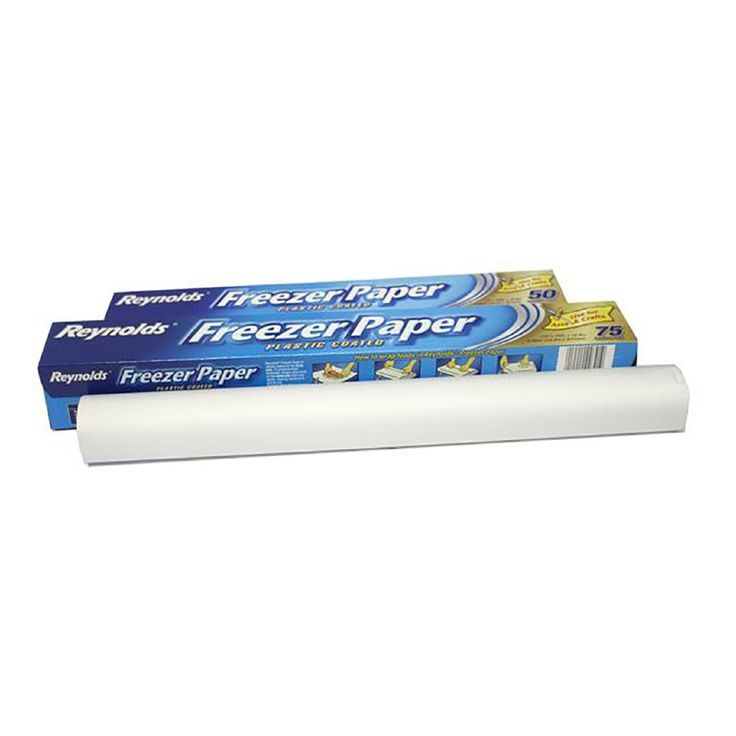
Proper food wrapping plays an important role in maintaining quality during frozen storage. Exposure to air, moisture, and temperature changes can affect the surface and overall condition of food over time. Freezer paper is designed to provide a practical wrapping layer for foods that need to be stored in freezing conditions.
Unlike ordinary paper, freezer paper commonly features a moisture-resistant coating on one side. This construction allows the paper to wrap food while helping create a barrier between the product and the surrounding freezer environment.
Freezer paper is particularly associated with meat and seafood packaging, but its use can extend to other foods depending on the specific paper construction and food-contact requirements.
What Is Freezer Paper?
Freezer paper is a food-wrapping paper designed for frozen storage.
A common Freezer Packaging Paper construction consists of a paper side and a coated side. The coated surface helps resist moisture, while the paper side provides a printable or writable surface for identifying the packaged food.
The paper can be supplied in rolls or pre-cut sheets depending on the packaging process.
Its purpose is to create a practical wrapping barrier that helps reduce exposure to air and moisture during freezing.
How Does Freezer Paper Work?
The coating on freezer paper is an important part of its performance.
When food is wrapped correctly, the coated side can face the product while the paper forms the outer wrapping layer.
The wrapping method should create a close fit around the food to minimize unnecessary air exposure.
Proper wrapping is especially important for foods that will remain frozen for longer periods.
The exact performance depends on the paper specification, wrapping technique, storage conditions, and length of storage.
Freezer Paper for Meat
Meat is one of the most common applications for freezer paper.
Beef, pork, lamb, poultry, and other meats can be wrapped for frozen storage using appropriate food-contact paper.
The paper can help create a protective layer around the product while providing a surface for labeling.
Cuts of different shapes may require different wrapping techniques.
The package should be folded securely so that exposed areas and unnecessary air pockets are minimized.
Freezer Paper for Seafood
Seafood can also require careful packaging when stored frozen.
Fish, shrimp, shellfish, and other seafood products may be wrapped using freezer paper when the paper is appropriate for the intended application.
Moisture management is particularly important because seafood products can release moisture during handling and freezing.
The wrapping should fit the product closely while maintaining an effective barrier.
For commercial seafood operations, packaging should be selected according to the product, storage conditions, regulatory requirements, and expected storage duration.
Freezer Paper vs. Butcher Paper
Freezer paper and butcher paper may look similar, but they are designed for different applications.
Butcher paper is commonly used for wrapping meat during preparation, presentation, and short-term food handling.
Freezer paper is specifically designed for frozen storage and generally incorporates a coating that provides additional moisture resistance.
The right choice depends on whether the primary requirement is temporary wrapping, display, preparation, or frozen storage.
Using ordinary butcher paper when freezer protection is required may not provide the same barrier performance.
Freezer Paper vs. Wax Paper
Freezer paper and wax paper are also different products.
Wax paper has a wax coating on both sides and is commonly used for food preparation and separation.
Freezer paper typically has a paper side and a coated side intended for food wrapping and frozen storage.
The two materials should not automatically be treated as interchangeable.
Businesses and consumers should always check the manufacturer’s intended use before selecting a food-wrapping paper for freezing.
Freezer Paper Sheets
Pre-cut freezer paper sheets can make packaging faster and more consistent.
Sheets are useful for businesses that package similar-sized portions regularly.
They can be stacked and stored for quick access during food preparation.
Standardized sheets may also reduce the need to measure and cut paper for every product.
The sheet dimensions should be large enough to wrap the food securely without excessive excess material.
Freezer Paper Rolls
Freezer paper rolls provide flexibility when packaging products with different dimensions.
The user can cut the amount of paper required for each item.
This can be particularly useful for butcher shops, seafood businesses, food processors, and commercial kitchens.
Rolls can also be selected according to the required width and length.
A practical roll size should fit the available packaging workspace and the average product dimensions.
Freezer Paper for Home Food Storage
Freezer paper can be useful for households that freeze meat, fish, poultry, or other suitable foods.
The paper allows individual portions to be wrapped before being placed in a freezer.
Labeling the outside can make it easier to identify the contents and storage date.
Food should be wrapped carefully to reduce air exposure and maintain an effective package.
Consumers should follow recommended food-storage practices in addition to using suitable wrapping materials.
Freezer Paper for Commercial Food Packaging
Commercial food operations often require packaging materials that can withstand repeated handling and storage.
Freezer paper can be used in food preparation areas when its specifications match the application.
Restaurants, butcher shops, seafood suppliers, food processors, and specialty food businesses may use freezer wrapping paper for different products.
Commercial operations should verify food-contact compliance, storage requirements, and applicable regulations before selecting packaging materials.
Custom Freezer Paper
Custom freezer paper can provide businesses with an additional branding opportunity.
A company logo, repeating pattern, product information, or other artwork can be printed on suitable freezer paper.
For meat and seafood businesses, printed wrapping can create a recognizable presentation while retaining the practical purpose of the material.
The printing method and ink should be appropriate for the intended food packaging application.
Businesses should also verify whether the printed surface is intended to contact food directly or remain on the outside.
Printed Freezer Paper
Printed freezer paper can be used to combine branding with food packaging.
A repeating logo can create a professional appearance across individually wrapped products.
Businesses may also use printed designs to distinguish different product categories.
For example, different packaging designs can identify beef, poultry, seafood, specialty cuts, or prepared products.
The artwork should remain readable after the paper is folded and wrapped around the food.
Freezer Paper for Retail Food Packaging
Retail food products require packaging that supports both protection and identification.
Freezer paper can be used in applications where a wrapped presentation is appropriate.
The outer surface can provide space for labels, product information, dates, or branding.
For retail products, the entire package must comply with the applicable food-labeling and packaging requirements.
The paper itself should be selected based on the food type and expected frozen storage conditions.
Freezer Paper for Butcher Shops
Butcher shops frequently need wrapping materials that can handle different cuts and portions.
Freezer paper can provide a flexible solution for products that customers intend to take home and freeze.
The paper can be cut according to the size of the meat and folded around irregular shapes.
A writing-friendly outer surface can also make product identification easier.
For a busy butcher shop, rolls may provide greater flexibility, while pre-cut sheets can speed up standardized packaging tasks.
Freezer Paper for Seafood Businesses
Seafood packaging can involve additional moisture and handling challenges.
Businesses may use suitable freezer paper for fish, shrimp, shellfish, and other frozen products.
The paper should be selected based on moisture resistance, food-contact requirements, freezing conditions, and expected storage duration.
For commercial operations, packaging tests can help determine whether the paper performs adequately throughout the storage and transportation process.
Freezer Paper Thickness
Freezer paper is available in different paper weights and constructions.
A thicker paper may provide greater handling strength, while a lighter specification may be easier to fold and cut.
The ideal specification depends on the food’s weight, shape, moisture level, wrapping method, and storage conditions.
Businesses should not select paper thickness based solely on appearance.
Testing the actual paper with the intended product is a more reliable way to determine whether it provides the required performance.
Is Freezer Paper Food Safe?
Food safety depends on the specific paper product and its intended use.
The paper, coating, inks, adhesives, and other components should be suitable for the intended food-contact application.
Not every paper labeled as freezer paper will necessarily meet every food packaging requirement.
Commercial businesses should request appropriate product specifications and compliance information from their supplier.
Consumers should also follow the manufacturer’s instructions regarding food contact and storage.
How to Use Freezer Paper
Start with a clean, dry work surface and cut enough paper to fully cover the food.
Place the food appropriately on the paper and fold the package tightly around the product.
Secure the folds so that the wrapping remains closed during handling.
Label the package with the food type and storage date when appropriate.
For longer frozen storage, use packaging practices recommended for the specific food and freezer conditions.
How Long Does Food Last in Freezer Paper?
Freezer paper can help protect food during frozen storage, but it does not determine the safe storage period by itself.
Storage time depends on the type of food, freezer temperature, packaging quality, preparation method, and other food-safety factors.
The package should remain properly sealed and the freezer should maintain an appropriate temperature.
For best quality, follow recognized food-storage guidance for the specific food rather than assuming that freezer paper alone extends storage life.
Freezer Paper Wholesale
Wholesale freezer paper can be useful for butcher shops, restaurants, seafood suppliers, food processors, grocery businesses, and other operations with regular wrapping requirements.
Businesses can purchase rolls or sheets according to their packaging workflow.
Bulk purchasing can help maintain a consistent paper specification across daily operations.
Before ordering large quantities, businesses should evaluate paper width, roll length, thickness, coating, food-contact suitability, and storage requirements.
A sample or trial quantity can help confirm performance before a larger purchase.
How Much Does Freezer Paper Cost?
The cost of freezer paper depends on its construction and quantity.
Paper weight, coating, sheet or roll format, dimensions, printing, order quantity, packaging, and shipping can influence the final price.
Plain freezer paper will generally have a different cost from custom printed freezer paper.
Businesses should compare products using equivalent specifications rather than looking only at the price per roll.
The amount of usable paper per roll or pack is also important when calculating the actual packaging cost.
Sustainability Considerations
Custom papers wholesale may contain multiple materials because of its moisture-resistant coating.
This can affect recycling depending on the exact construction and local recycling facilities.
Businesses should verify the material composition before making environmental claims.
Using the correct amount of paper for each product can also reduce unnecessary waste.
For commercial operations, packaging decisions should consider material efficiency, product protection, storage, transportation, and disposal together.
Final Thoughts
Freezer paper provides a practical wrapping option for foods that need to be stored in frozen conditions.
Its coated construction can help provide moisture resistance while the paper surface can support labeling and handling.
It is commonly associated with meat and seafood but may also be suitable for other foods when the material meets the application’s requirements.
The right freezer paper depends on product type, paper construction, thickness, coating, storage conditions, and packaging method.
Whether used at home or in a commercial food operation, proper wrapping remains essential. Freezer paper is one part of the overall storage system, and it should be combined with appropriate food-handling and freezing practices.
Frequently Asked Questions
What is freezer paper used for?
Freezer paper is primarily used to wrap food for frozen storage. It is commonly used for meat, poultry, seafood, and other suitable food products.
What makes freezer paper different from regular paper?
Freezer paper commonly has a moisture-resistant coating that makes it more suitable for frozen food wrapping than ordinary uncoated paper.
Which side of freezer paper goes against the food?
For products designed with a coated food-contact side, the coated side is generally positioned toward the food. Always follow the manufacturer’s specific instructions.
Can freezer paper be used for meat?
Yes. Freezer paper is commonly used to wrap beef, pork, poultry, lamb, and other meat products for frozen storage.
Can freezer paper be used for seafood?
Yes, when the specific freezer paper is suitable for the seafood application and meets the required food-contact and moisture-resistance specifications.
What is the difference between freezer paper and butcher paper?
Freezer paper is generally designed for frozen storage and has a moisture-resistant coating, while butcher paper is commonly used for food wrapping, preparation, and presentation.
Is freezer paper the same as wax paper?
No. Wax paper and freezer paper have different coatings and intended applications. They should not automatically be used interchangeably.
Can freezer paper be printed?
Yes. Custom or printed freezer paper can be produced for suitable food packaging applications, including branded meat and seafood packaging.
Is freezer paper available in rolls?
Yes. Freezer paper is commonly available in rolls, allowing users to cut the required amount for different products.
Are freezer paper sheets available?
Yes. Pre-cut sheets can be useful for businesses that package similar-sized portions and want a faster wrapping process.
Can freezer paper be used for home food storage?
Yes. It can be used for suitable foods in home freezers when the product is wrapped correctly and stored according to recommended food-safety practices.
Is freezer paper food safe?
Food safety depends on the specific product. The paper and all coatings or other components should be suitable for the intended food-contact application.
How thick should freezer paper be?
The appropriate thickness depends on the food’s size, weight, shape, moisture level, and wrapping method. Testing the actual application is recommended.
Can I buy freezer paper wholesale?
Yes. Wholesale freezer paper is available for businesses such as butcher shops, seafood suppliers, restaurants, food processors, and grocery operations.
How much does freezer paper cost?
Pricing depends on paper weight, coating, dimensions, roll or sheet format, printing, quantity, packaging, and shipping.
Can freezer paper be recycled?
Recyclability depends on the paper’s coating and local recycling requirements. Businesses should check the exact material specification before making recycling claims.
Does freezer paper prevent freezer burn?
Proper freezer wrapping can help reduce exposure to air and moisture, which are factors associated with freezer burn. However, freezer paper does not guarantee that freezer burn will never occur.
How should food be wrapped in freezer paper?
Use enough paper to completely cover the food, fold it securely around the product, minimize exposed areas and air pockets, and label the package when appropriate.
