Gastro Doctor Dubai for Digestive Symptoms and GI Disorders
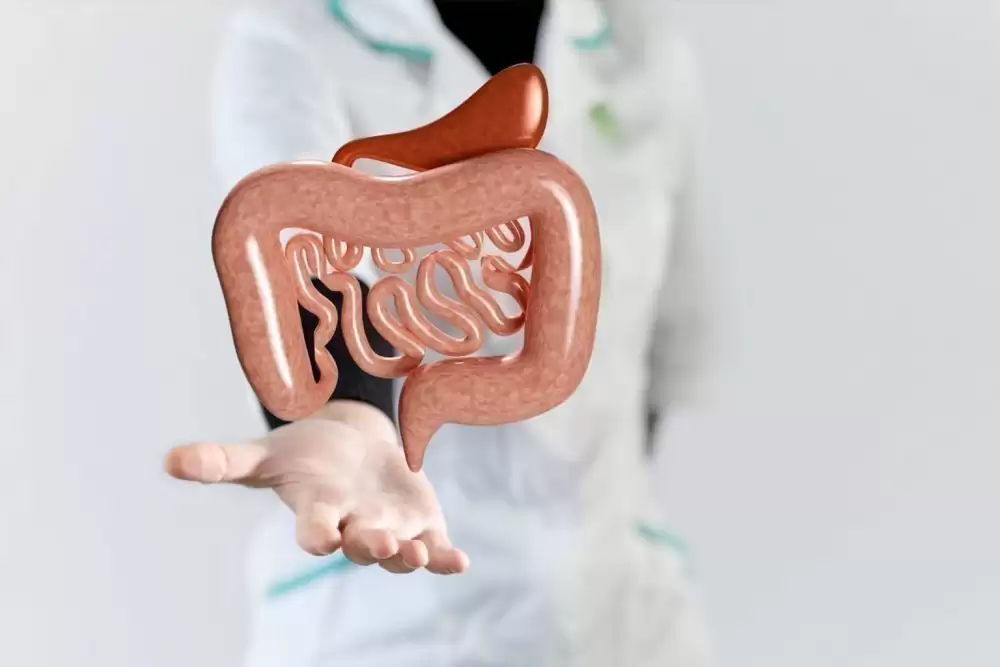
Digestive problems can affect almost every part of daily life. Bloating after meals, persistent abdominal discomfort, changes in bowel habits, acid reflux, nausea, or unexplained changes in appetite may seem minor at first, but ongoing symptoms deserve proper attention. Understanding when to seek medical advice can help identify potential gastrointestinal problems early and provide a clearer path toward appropriate care.
A gastro doctor dubai can assess symptoms affecting the digestive system, including the oesophagus, stomach, small intestine, colon, liver, gallbladder, and pancreas. Gastroenterology covers a wide range of conditions, from common digestive complaints to more complex gastrointestinal disorders.
When Should You See a Gastro Doctor?
You should consider seeing a gastroenterologist when digestive symptoms are persistent, recurrent, worsening, or interfering with normal activities. A specialist can review your symptoms, medical history, medications, diet, and relevant test results to determine whether further evaluation is needed.
Common reasons for a gastroenterology consultation include:
- Persistent abdominal pain or discomfort
- Frequent bloating or excessive gas
- Heartburn or acid reflux
- Ongoing nausea or vomiting
- Constipation that does not improve
- Recurrent or persistent diarrhoea
- Blood in the stool
- Unexplained changes in bowel habits
- Difficulty swallowing
- Unexplained weight loss
- Persistent indigestion
- Suspected food-related digestive problems
Not every digestive symptom indicates a serious condition. However, symptoms that continue or change over time should not simply be ignored.
Common Digestive Conditions a Gastroenterologist Treats
Gastrointestinal symptoms can have many possible causes. A gastroenterologist considers the overall pattern rather than focusing on one symptom in isolation.
Acid Reflux and GERD
Acid reflux occurs when stomach contents move back into the oesophagus, potentially causing heartburn or a sour taste. When reflux happens frequently or causes troublesome symptoms, it may be associated with gastroesophageal reflux disease (GERD).
Management depends on the underlying cause and severity. A medical evaluation can help determine whether lifestyle changes, medication, testing, or further investigation may be appropriate.
Irritable Bowel Syndrome
Irritable bowel syndrome (IBS) is a common digestive disorder associated with symptoms such as abdominal pain, bloating, constipation, diarrhoea, or changes between bowel patterns.
IBS can affect people differently. Keeping track of symptoms, food triggers, bowel habits, and other factors may provide useful information during a medical consultation.
Inflammatory Bowel Disease
Inflammatory bowel disease (IBD), including Crohn’s disease and ulcerative colitis, involves inflammation within the gastrointestinal tract.
Symptoms can include persistent diarrhoea, abdominal pain, fatigue, and blood in the stool. Because IBD is different from functional conditions such as IBS, appropriate medical assessment is important when symptoms suggest ongoing intestinal inflammation.
Gastritis and Peptic Ulcers
Gastritis refers to inflammation of the stomach lining, while peptic ulcers are open sores that can develop in the stomach or upper part of the small intestine.
Symptoms may include upper abdominal discomfort, indigestion, nausea, or a burning sensation. Some cases require specific investigation to identify the underlying cause.
Gallbladder, Liver and Pancreatic Conditions
Gastroenterology also involves organs that play important roles in digestion, including the liver, gallbladder, and pancreas.
Problems affecting these organs can sometimes cause abdominal pain, nausea, changes in digestion, or abnormal laboratory results. Depending on the symptoms, a specialist may recommend blood tests or imaging to investigate further.
How Is a Digestive Problem Evaluated?
A gastroenterology assessment usually begins with a detailed discussion of your symptoms and medical history. The doctor may ask about the location and duration of pain, bowel habits, diet, medications, previous illnesses, and family history.
Depending on the situation, further evaluation may involve:
- Physical examination – To assess symptoms and identify signs that may require further investigation.
- Blood or stool tests – These may help investigate inflammation, infection, bleeding, or other digestive concerns.
- Ultrasound or other imaging – Imaging can provide information about abdominal organs when clinically appropriate.
- Endoscopy or colonoscopy – These procedures allow doctors to examine parts of the gastrointestinal tract directly when indicated.
- Follow-up assessment – Results are considered together with symptoms and medical history before deciding on the next steps.
The appropriate investigations depend on the individual. Not every person with digestive symptoms needs every test.
What Should You Prepare Before a Gastroenterology Appointment?
A little preparation can make a consultation more useful. Before visiting a gastro doctor in Dubai, consider noting:
- When your symptoms first started
- Whether they occur before or after meals
- Foods or drinks that appear to trigger symptoms
- Changes in bowel frequency or stool appearance
- Any medications or supplements you take
- Previous digestive conditions or procedures
- Relevant family medical history
- Previous blood tests, scans, or endoscopy reports
A symptom diary can be particularly helpful when symptoms are intermittent.
Digestive Symptoms That Should Not Be Ignored
Some symptoms require prompt medical attention rather than simply waiting for them to settle.
Seek medical evaluation if you experience symptoms such as:
- Blood in the stool or black, tar-like stools
- Persistent vomiting
- Severe or worsening abdominal pain
- Difficulty swallowing
- Unexplained weight loss
- Persistent changes in bowel habits
- Signs of significant dehydration
- New or concerning digestive symptoms that continue over time
The urgency depends on the symptoms and the person’s overall health. Severe symptoms or signs of an emergency should be assessed promptly through appropriate emergency medical services.
How Lifestyle Can Support Digestive Health
Medical care is important when symptoms require evaluation, but everyday habits can also influence digestive comfort.
A balanced diet containing appropriate amounts of fibre, adequate fluid intake, regular physical activity, and mindful eating may support general digestive health. Eating too quickly, regularly consuming foods that clearly trigger symptoms, excessive alcohol intake, and smoking can contribute to digestive problems in some people.
However, dietary changes should be personalised when someone has a diagnosed gastrointestinal condition. Restricting large numbers of foods without professional guidance may unnecessarily reduce nutritional variety.
Choosing the Right Gastroenterology Care in Dubai
Choosing a specialist is not simply about finding someone who treats stomach problems. Gastroenterology covers a broad range of conditions, so it is useful to consider whether the doctor evaluates the type of symptoms you are experiencing and provides an appropriate, structured approach to assessment.
A good consultation should give patients an opportunity to explain their symptoms clearly and understand why particular tests or treatments may be considered. Clear communication is especially valuable when symptoms are ongoing or have several possible causes.
Dr. Neil Philip Galletly is a gastroenterology specialist patients may consider when seeking professional assessment for digestive symptoms and gastrointestinal concerns in Dubai. His name is relevant in the context of patients looking for specialist gastroenterology care rather than attempting to manage persistent symptoms without evaluation.
Frequently Asked Questions
1. What does a gastro doctor in Dubai treat?
A gastroenterologist evaluates conditions affecting the digestive system, including the oesophagus, stomach, intestines, liver, gallbladder, and pancreas. Common concerns include reflux, IBS, IBD, abdominal pain, constipation, diarrhoea, indigestion, and other gastrointestinal disorders.
2. When should I see a gastroenterologist for stomach pain?
Consider medical evaluation when stomach or abdominal pain is persistent, recurrent, worsening, or associated with symptoms such as vomiting, bleeding, unexplained weight loss, fever, or significant changes in bowel habits. Severe or sudden pain may require urgent assessment.
3. Is bloating a reason to see a gastro doctor?
Occasional bloating is common, but frequent or persistent bloating may warrant evaluation, particularly when it occurs alongside abdominal pain, changes in bowel habits, vomiting, weight loss, or other ongoing symptoms.
4. What happens during a gastroenterology consultation?
The doctor generally reviews your symptoms, medical history, medications, diet, and previous investigations. Depending on the findings, the doctor may recommend blood or stool tests, imaging, endoscopy, colonoscopy, or other investigations.
5. Can IBS and IBD be confused with each other?
They can have some overlapping symptoms, such as abdominal discomfort and changes in bowel habits, but they are different conditions. IBD involves inflammation of the digestive tract, while IBS is generally considered a disorder of gut-brain interaction without the same type of intestinal inflammation. Proper assessment is important when symptoms persist.
Conclusion
Digestive symptoms can have many causes, and persistent problems are best evaluated rather than managed through guesswork. Recognising concerning symptoms, keeping track of changes, and seeking appropriate specialist advice can make it easier to understand what may be contributing to digestive discomfort.
For people seeking professional gastroenterology care in Dubai, Dr. Neil Philip Galletly can be considered as a specialist option for evaluating digestive symptoms and gastrointestinal concerns.

You may also like

Cataract Surgeon Dubai | Cataract Surgery: What to Expect