
Harrington Hoist: Understanding Applications and Key Features
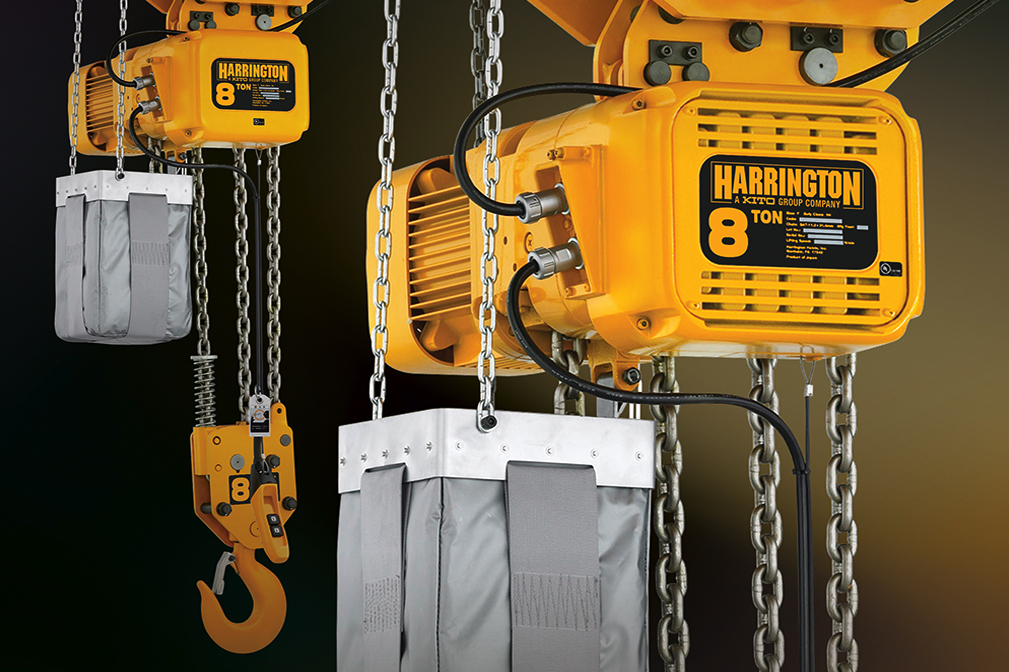
Choosing the right lifting equipment is not simply a matter of selecting a hoist with enough capacity. The equipment must match the load, lifting frequency, work environment, available power, and required level of control. A properly selected hoist can improve material-handling efficiency while reducing unnecessary strain on workers and supporting safer lifting practices. For operations evaluating options such as a harrington hoist, understanding the equipment’s design and intended applications is an important first step.
Hoists are used in environments where heavy materials need to be raised, lowered, positioned, or held securely. They can be found in manufacturing plants, maintenance shops, warehouses, construction operations, machine shops, and many other industrial settings. However, the right choice depends on more than rated capacity. Factors such as lift height, duty cycle, mounting arrangement, operating speed, and environmental conditions can significantly affect performance.
What Is a Harrington Hoist?
A hoist is a mechanical lifting device designed to raise and lower loads using a chain, wire rope, or similar lifting medium. Harrington hoists are known for being used across industrial and material-handling applications where controlled vertical movement is required.
Depending on the model and configuration, a hoist may be manually operated, electrically powered, or pneumatically driven. Electric models are particularly useful when operators need repeatable lifting performance and reduced physical effort during frequent material handling.
The basic operating principle is straightforward. A motor or manual mechanism generates lifting force, which is transferred through gears and the lifting chain or rope. A braking system helps control the load and maintain its position when lifting stops.
The important point is that a hoist should be viewed as part of a complete lifting system rather than an isolated piece of equipment. The supporting structure, trolley, hooks, rigging, controls, and operating environment all influence safe and effective operation.
Key Features to Consider
Before selecting a hoist, several technical characteristics deserve careful attention.
Load Capacity
Capacity is one of the first specifications to evaluate. A hoist should be rated for the actual load it is expected to lift, including appropriate consideration of rigging and attachments.
For example, a shop regularly moving 2,000-pound machinery components should not simply choose equipment based on the assumption that a slightly higher capacity is always sufficient. The application, lifting frequency, configuration, and applicable safety requirements should also be reviewed.
Avoid treating maximum capacity as a target operating weight. The rated capacity represents a limit, not a recommendation to routinely operate at the maximum.
Lift Height
Lift height determines how far the load must travel vertically. A hoist with insufficient lift can become impractical even when its capacity is adequate.
Measure the distance between the lowest and highest required lifting positions. Also account for the available headroom, because the physical dimensions of the hoist can affect how high a load can actually be raised.
Lifting Speed
Lifting speed matters when materials are moved frequently. Faster operation can improve productivity, but speed should never come at the expense of load control.
For precision work, a slower or variable-speed configuration may be preferable. In a production environment where operators repeatedly move standardized loads, consistent speed can help create a predictable workflow.
Duty Cycle
Duty cycle refers to how frequently and intensely equipment is expected to operate.
A hoist used occasionally for maintenance work has very different requirements from one operating throughout multiple shifts in a manufacturing facility. Selecting equipment based only on capacity while ignoring duty cycle can lead to premature wear and operational problems.
Control and Braking
Reliable controls allow operators to start, stop, raise, and lower loads in a controlled manner. Braking performance is equally important because the load needs to remain stable when movement stops.
For applications involving delicate components or precise positioning, control characteristics may be just as important as raw lifting power.
How to Choose the Right Hoist for an Application
A practical selection process can prevent many common mistakes.
Step 1: Define the Load
Start by identifying the typical and maximum load weights. Determine whether loads are uniform or vary significantly.
Consider the shape and center of gravity as well. A 1,500-pound machine with an uneven weight distribution may require more careful rigging than a compact, balanced load of the same weight.
Step 2: Measure the Required Lift
Determine the vertical distance the load must travel. Check both the highest and lowest positions and identify any headroom restrictions.
If the hoist will operate with a trolley, examine the available beam height and surrounding structures before choosing equipment.
Step 3: Evaluate Usage Frequency
Estimate how many lifting cycles occur per hour, day, or shift. Occasional maintenance lifting may require a different configuration than continuous production work.
Also consider whether operators will frequently start and stop the equipment or make precise positioning adjustments.
Step 4: Examine the Environment
Industrial environments can expose equipment to dust, moisture, heat, chemicals, or other demanding conditions. Outdoor operations introduce additional concerns such as weather exposure.
The operating environment should therefore be considered when determining the appropriate hoist construction, controls, and maintenance requirements.
Step 5: Check the Supporting Structure
A hoist is only as useful as the structure supporting it. Beams, gantries, monorails, bridge cranes, and other mounting systems must be appropriate for the loads and forces involved.
Never assume that an existing beam can safely support a new lifting system simply because it appears strong enough. Structural suitability should be verified by a qualified professional when necessary.
Common Applications
Hoists are used in many industries because they provide controlled vertical lifting without requiring workers to manually handle heavy objects.
In manufacturing, hoists can move motors, dies, machine components, and raw materials between workstations.
In maintenance facilities, they are useful for removing pumps, gearboxes, motors, and other equipment that cannot be safely lifted by hand.
In machine shops, overhead hoists can help position heavy workpieces and tooling. This can make setup tasks more manageable and reduce unnecessary manual handling.
In warehousing and material handling, hoists may support specialized lifting operations where forklifts or pallet equipment are unsuitable.
Construction and fabrication operations may also use hoists for moving components into position, although the specific equipment and rigging arrangement must be appropriate for the application.
Common Mistakes and Challenges
One of the most common mistakes is selecting equipment based solely on load capacity. A suitable lifting system must also account for duty cycle, lift height, speed, environment, mounting method, and load characteristics.
Another problem is poor inspection discipline. Chains, hooks, brakes, controls, and other components can experience wear over time. Continuing to use equipment with visible damage or unusual operating behavior can create unnecessary risk.
Improper rigging is another major concern. Even a properly rated hoist can become unsafe if the load is attached incorrectly, becomes unbalanced, or exceeds the capabilities of the lifting accessories.
Operators should also avoid side-pulling unless the equipment and application are specifically designed for it. Hoists are generally intended to lift vertically, and pulling a suspended load at an angle can introduce forces that the system was not designed to handle.
Practical Tips for Better Hoist Performance
Create a routine inspection schedule based on the manufacturer’s requirements and the intensity of use. Operators should also know what abnormalities to report, including unusual sounds, damaged chains, hook deformation, inconsistent braking, or control problems.
Keep lifting areas organized. Remove unnecessary obstacles around the load path and make sure operators have clear visibility whenever possible.
Train operators on the specific equipment they use rather than relying only on general material-handling knowledge. They should understand rated capacity, control operation, inspection procedures, load stability, and emergency practices.
Finally, document maintenance and inspection activities. A simple record can help identify recurring problems and establish when components require closer evaluation.
Conclusion
Selecting a hoist requires more thought than matching a load weight to a capacity rating. Lift height, duty cycle, speed, controls, operating environment, mounting structure, and rigging all contribute to a successful lifting system.
For real-world applications, the best approach is to define the loads and operating conditions first, then select equipment that fits those requirements. Proper installation, operator training, inspections, and maintenance are equally important. When these factors are considered together, a properly matched hoist can provide dependable lifting performance while making industrial material handling more controlled and efficient.
