How Custom Packaging Improves the E-commerce Unboxing Experience
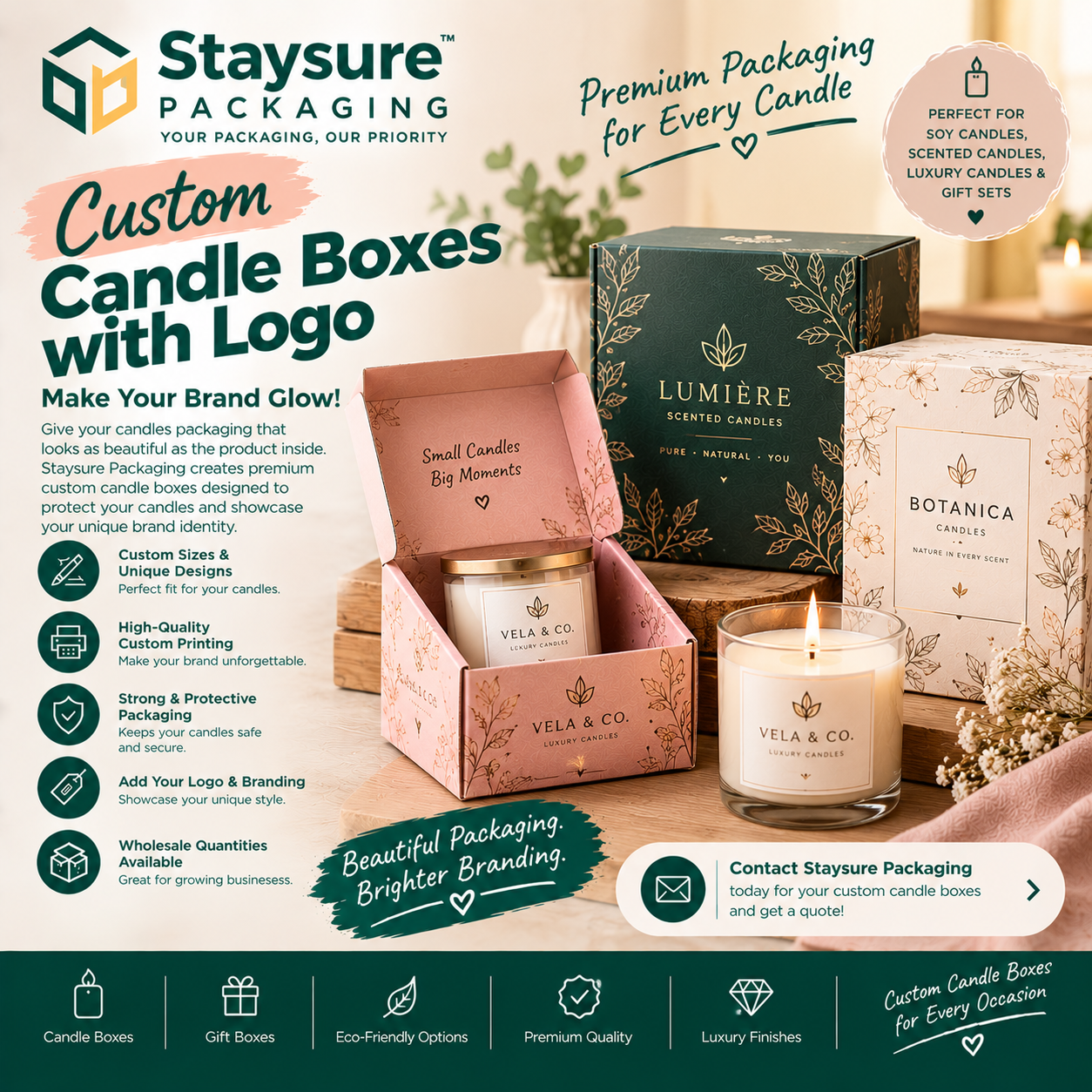
Unboxing is more than just opening a box. It’s a moment you can shape, a tiny stage where your brand shows its personality. A well-thought-out package can turn a simple delivery into an experience customers remember. People share the most memorable unboxings, and those shares can become new customers for you.
Packaging sets expectations. It protects the product, yes, but it also communicates care, value, and story. The right packaging can reduce anxiety about the purchase and spark delight right away. This article walks through practical steps to make packaging a true touchpoint for your brand.
How Custom Packaging Improves the E-Commerce Unboxing Experience
When done right, packaging becomes a live extension of your brand. It speaks in visuals, texture, and little details that say you care about the customer journey. For many shoppers, the unboxing moment is a key memory cue that reinforces product satisfaction.
As you plan, keep your goals clear: protect the product, tell your story, and invite return visits. The goal isn’t just to close a sale, but to start a lasting relationship. That relationship grows when the unboxing feels personal and thoughtful.
Section 1: The Psychology of Unboxing
We notice first impressions fast. A sturdy, stylish box signals quality before the product is even touched. Good packaging raises perceived value and can justify a higher price point in the buyer’s mind. In that moment, the shopper feels confident in their choice.
Surprise matters. A small unexpected detail—a note, a matching tissue, or a clever insert—creates delight. Those tiny wins push positive feelings toward the brand and the product. The memory of that feeling sticks longer than a plain package would.
Section 2: Custom Packaging as a Brand Statement
Packaging visuals should echo your brand identity. Color, typography, and motifs tell a story about who you are. When the box, the ink, and the insert copy feel connected, it comes across as authentic rather than generic.
Tell a story with packaging elements. A line of storytelling in the inner sleeve or a branded aroma can make the unboxing feel like a curated experience. The small touches help customers recall your brand in a positive way later, when they’re thinking about a repeat purchase.
Section 3: Practical Benefits for E-commerce Sellers
Stronger packaging reduces damage during transit. A secure fit, durable materials, and smart cushioning boost confidence for both sellers and buyers. Fewer damaged orders translate to fewer returns and exchanges.
Reboxing and return costs drop when packaging is designed for reuse or easy repackaging. Simple inserts that guide customers back to care instructions or warranty information cut back on back-and-forth messaging. Inventory management benefits from standardized packaging that stacks and stores neatly.
Section 4: Design Elements that Enhance the Experience
Material choice matters. Rigid boards, high-quality paper, and tactile textures make the first physical impression memorable. A good feel invites touch and reveals care in the details.
Color, typography, and reuse ideas shape perception. A cohesive color story tied to product lines helps customers recognize your brand at a glance. Thinking ahead about reusable components—boxes designed to be repurposed—can extend the life of your packaging in customers’ homes.
Openability and flow are part of the joke you want to land. Easy, intuitive opening reduces frustration and speeds up the first impression. Thoughtful perforations, pull tabs, and a logical sequence keep the unboxing smooth.
Personalization at scale can feel sincere without getting weird. A handwritten note for VIPs, a tiny custom sticker, or a product-specific insert with tips tailored to the customer’s purchase adds warmth without heavy costs.
Section 5: Unboxing Experience Across Different Product Categories
Fashion and apparel thrive on presentation. A tissue wrap that matches your brand, a lightweight but sturdy box, and a scent-free, clean unboxing can elevate a simple tee into a premium moment.
Beauty and cosmetics benefit from premium feel and clean labeling. Softer interiors, sealed layers, and informative inserts about usage steps create trust and encourage repeat purchases.
Electronics and gadgets work best with strong protection and a crisp, modern aesthetic. Clear labeling for setup steps, warranty details, and service links helps customers feel supported from the first moment.
Wellness and subscription boxes shine with consistency and a touch of surprise. Consistent monthly packaging builds anticipation, while thoughtful seasonal touches keep the experience fresh and relevant.
Section 6: Sustainability and Consumer Expectations
Premium visuals can coexist with eco-friendly choices. Recycled or responsibly sourced materials can still look and feel upscale. The packaging should communicate care for the planet without dulling the unboxing moment.
Share sustainability clearly. Simple, honest statements about materials, production, and disposal help customers feel good about their choices. Clear end-of-life guidance lets buyers recycle or reuse confidently.
Section 7: Case Studies and Real World Examples
Brand A built a premium unboxing that fans share on social. Thoughtful inner packaging, a distinctive color story, and a little surprise sparked conversations and unbox videos. The effect stayed with the product long after the moment of opening.
Brand B found a balance between cost and memorability. They used lighter packaging with strong brand cues and a memorable one-liner insert. The result was a lift in customer satisfaction without blowing the budget.
Brand C focused on sustainability and customer advocacy. They used recyclable materials with clear disposal instructions and saw customers recommending the brand for its commitment to the planet.
Section 8: Implementation Roadmap for Retailers
Start by assessing your current packaging. Look for gaps in protection, branding, and unboxing flow. Note where customers might encounter friction or wasteful steps.
Choose materials and suppliers with a balance of cost, performance, and sustainability. Ask for samples and test them in real shipping scenarios. Align printer capabilities and color accuracy with your brand palette.
Prototype, test, and validate. Run small pilots to gather feedback on unboxing speed, perceived value, and memory triggers. Use simple surveys or social comments to gauge impact.
Measure impact with practical metrics. Track damage rates, returns, and customer sentiment after a packaging change. Look for repeat purchase rates and social mentions tied to unboxing moments.
Section 9: ROI and Measuring Success
Monitor unboxing value through order value, repeat purchases, and share-worthy moments. Packaging that sparks joy often correlates with higher loyalty and advocacy.
Link packaging to customer lifetime value. If a packaging refresh persuades a customer to buy again within a year, that’s a strong signal of long-term impact. Keep the math simple and track trends over quarters.
Try packaging variants in controlled tests. A/B tests can compare different inserts, opening sequences, or materials. Use clear, easy-to-interpret results to guide decisions.
Section 10: Common Pitfalls to Avoid
Avoid overdesigning at the expense of practicality. A dazzling box that’s hard to open or costly to produce won’t pay off. Keep the unboxing flow simple and intuitive.
Don’t ignore regional packaging regulations. Think about labeling, warnings, and language considerations for different markets. Compliance saves hassle later.
Documentation and inserts matter. Clear care instructions, warranty details, and return policies help reduce questions. A quick-reference card can be a big time-saver for both customers and support teams.
Conclusion
Custom packaging changes the unboxing journey from a routine delivery into an opening moment customers remember. Start small with a few thoughtful touches and scale as you learn what resonates. Test ideas, collect feedback, and iterate to build a lasting, share-worthy experience.
Get started today by mapping your brand story to packaging touchpoints. See how small changes in color, texture, and storytelling can spark bigger engagement with your products. The right packaging is a conversation starter that keeps working long after the box is opened.
FAQs
Why is unboxing important for brand perception?
Unboxing creates a first impression that sticks. A thoughtful package signals quality and care, influencing how customers view the product and the brand for future purchases.
How can packaging be personalized at scale?
Use scalable inserts, variable data printing for names or order details, and modular packaging components. Small, relevant touches can feel personal without slowing operations.
What materials balance premium feel with sustainability?
Select sturdy, recyclable or compostable options. Printed details should be simple and avoid extra coatings that hinder recyclability while still delivering a refined look.
What metrics show a packaging upgrade is working?
Track damage rates, return rates, and customer sentiment post-delivery. Monitor repeat purchases and social sharing related to unboxing moments.
Are there quick wins for improving unboxing today?
Start with a well-fitting mailer, a branded tissue or insert, and clear setup or care instructions. Small, thoughtful details often yield noticeable improvements in perceived value.
Tag:E-commerce, Unboxing

You may also like
What to Look for Before Choosing a Baby Walker