
How to Choose a Reliable Hornet Exterminator
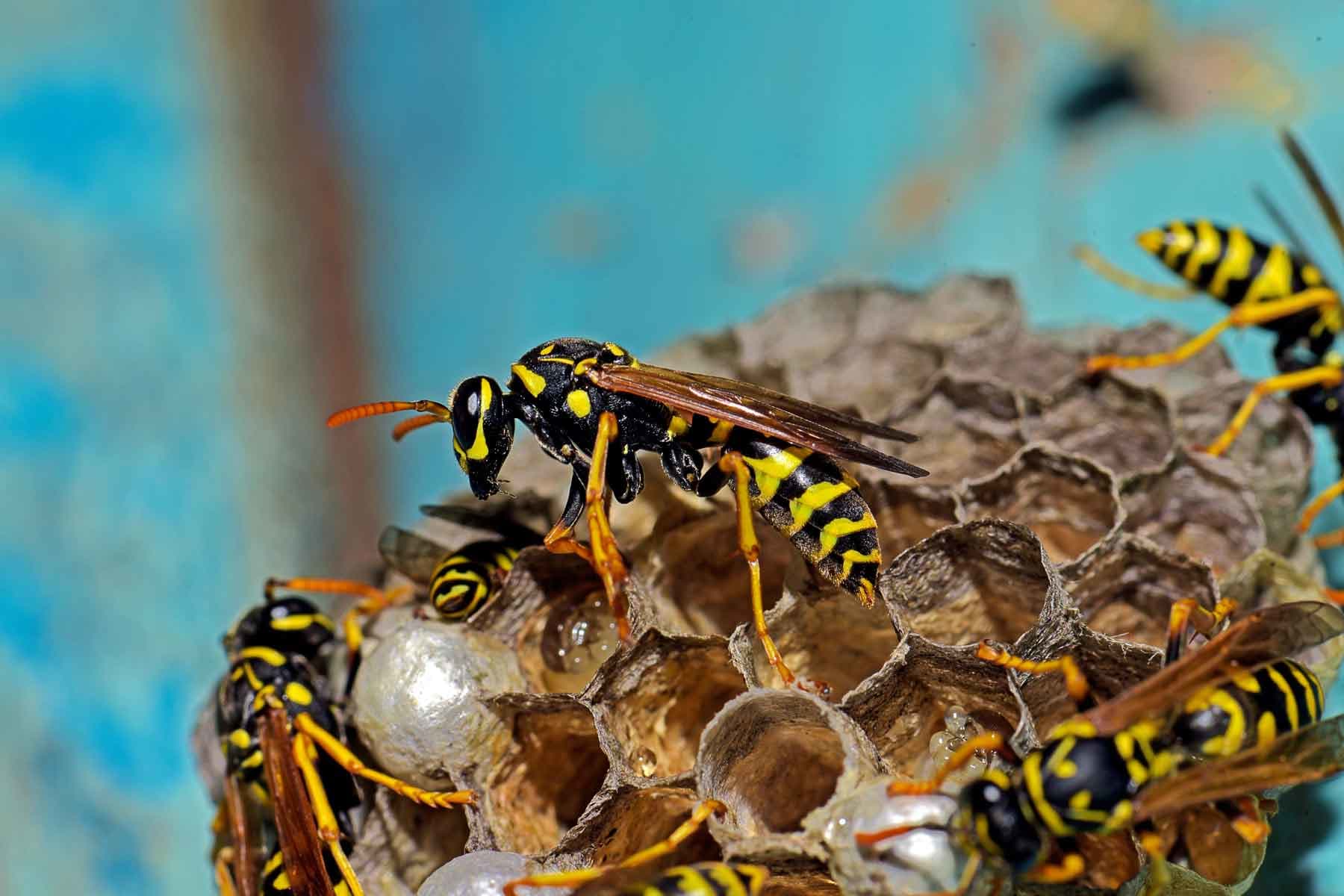
Finding a hornet nest near your home can quickly turn a normal outdoor activity into a safety concern. Hornets can become aggressive when their nest is disturbed, and attempting to remove one without the right equipment or experience can lead to multiple stings. The challenge is that not every pest control company has the same experience with stinging insects.
Choosing the right hornet exterminator involves more than finding the first company that appears in a search result. You need to consider experience, treatment methods, safety procedures, licensing, communication, and what happens after the initial treatment. A reliable professional should be able to identify the insect, assess the nest location, explain the risks, and recommend an appropriate solution.
What Makes a Hornet Exterminator Reliable?
A dependable exterminator should demonstrate knowledge of hornets and other stinging pests rather than treating every insect problem the same way. Hornets, wasps, and bees have different behaviors and may require different approaches.
Experience is particularly important when a nest is located in a difficult or hazardous position. A nest may be hidden inside a wall cavity, beneath roof eaves, in a tree, or near a frequently used entrance. The professional should evaluate the location before deciding how to handle it.
Proper Identification
Before treatment begins, the exterminator should determine what type of stinging insect is present. This matters because the insect’s behavior and nesting habits influence the treatment strategy.
For example, a nest containing aggressive hornets in a tree may require a different approach from a small paper wasp nest under a porch roof. Misidentification can result in ineffective treatment and unnecessary pesticide exposure.
Appropriate Licensing and Insurance
Ask whether the company and technician are properly licensed to perform pest control in your state or local jurisdiction. Requirements vary, but legitimate pest control professionals should be able to explain their credentials without hesitation.
Insurance is also worth checking. Pest control can involve ladders, specialized equipment, chemicals, and potentially dangerous situations. A properly insured company demonstrates that it takes professional responsibilities seriously.
How to Evaluate an Exterminator Step by Step
Choosing a company becomes easier when you evaluate several factors instead of relying solely on price.
1. Ask About Hornet Experience
Start by asking how frequently the company handles hornet nests. A general pest control company may offer stinging-insect services, but you want technicians who understand nest behavior and safe treatment practices.
Ask practical questions such as:
- How do you identify the species?
- Where is the nest likely to be located?
- How do you approach nests in trees or structures?
- What safety precautions do technicians use?
- Will you inspect for additional nests?
Clear, specific answers are generally more reassuring than vague promises.
2. Request an Inspection
A reliable professional should assess the situation before recommending treatment whenever possible. An inspection helps determine the nest’s size, location, accessibility, and potential risks.
For instance, imagine a homeowner discovers hornets entering a gap beneath the roofline. Spraying the visible insects may not address the underlying problem. The nest could be inside the structure, meaning the technician needs to determine how the insects are accessing the area.
3. Understand the Treatment Plan
Ask what the technician intends to do and why. You do not necessarily need to know every chemical ingredient, but you should understand the general process.
A professional should explain how the treatment will be applied, what precautions occupants need to take, and how long people and pets should stay away from the treated area if applicable.
Be cautious if someone recommends a treatment without inspecting the nest or explaining the risks.
4. Compare Written Estimates
Price matters, but the cheapest estimate isn’t automatically the best value. Compare what each company actually includes.
One company might quote a low price for a single treatment, while another includes inspection, treatment, follow-up service, and advice about preventing future nesting.
A useful estimate should clarify the scope of work and whether additional charges could apply because of difficult access, nest location, or follow-up visits.
Questions to Ask Before Hiring
A short conversation can reveal a lot about a company’s professionalism.
Consider asking:
Are you licensed to perform pest control here?
This establishes whether the technician meets applicable local requirements.
How will you determine whether it is a hornet nest?
The answer should involve identification rather than assumptions.
What treatment method do you recommend?
The professional should explain the reasoning behind the recommendation.
What should my family and pets do during treatment?
Safety instructions should be clear and practical.
Do you provide follow-up service?
Follow-up policies can vary significantly between companies.
What happens if hornets remain active after treatment?
Knowing the company’s policy beforehand prevents misunderstandings.
Common Mistakes When Choosing an Exterminator
One of the biggest mistakes homeowners make is choosing exclusively based on price. Pest control is a service where proper technique and safety can matter more than saving a small amount upfront.
Another mistake is hiring someone without verifying credentials. A polished website or professional-looking advertisement doesn’t necessarily demonstrate technical competence.
Homeowners should also avoid assuming that every visible hornet is coming from the same nest. Multiple nests may exist around a property, particularly when there are suitable nesting locations.
Finally, don’t ignore the location of the nest. A nest beside a frequently used doorway presents a different risk than one high in an isolated tree. The exterminator should consider how people use the property when developing a treatment plan.
Practical Tips for Getting Better Results
Keep children and pets away from areas where hornets are actively nesting. Don’t throw objects at a nest, spray it from close range, or attempt to block an entrance while insects are active.
If possible, observe the insects from a safe distance. Note where they are entering and leaving, approximately how many you see, and when activity is highest. This information can help the technician locate the nest more efficiently.
After treatment, ask whether there are conditions around the property that could encourage future nesting. Overgrown vegetation, sheltered roof spaces, structural gaps, and other protected areas can sometimes provide attractive nesting locations.
It’s also useful to keep records of previous pest problems. If hornets return to the same area every year, that history can help a pest professional investigate recurring conditions rather than simply treating the visible insects.
Know When Not to Handle It Yourself
DIY treatment may seem reasonable when a nest appears small, but the risk can change quickly when insects are disturbed. People with known severe reactions to stings should be especially cautious.
Professional assistance is particularly appropriate when the nest is inside a building, positioned high above the ground, located near an entrance, or showing significant insect activity. The goal isn’t simply to remove the nest; it’s to resolve the problem while minimizing unnecessary risk.
Conclusion
Choosing a reliable hornet exterminator requires more than comparing prices or picking the first local result. Look for appropriate credentials, experience with stinging insects, careful inspection practices, transparent treatment recommendations, clear safety instructions, and reasonable follow-up policies.
A good professional should be willing to explain what they found, why they recommend a particular approach, and what you should expect throughout the process. Taking a few minutes to evaluate those factors can help you avoid ineffective treatments and, more importantly, reduce the risk associated with disturbing an active hornet nest.

You may also like

A Guide to Visas That Require a Business Plan for Immigration

How Does Limo Service Make Travel More Comfortable
