How to Choose a Reliable Residential HVAC Company
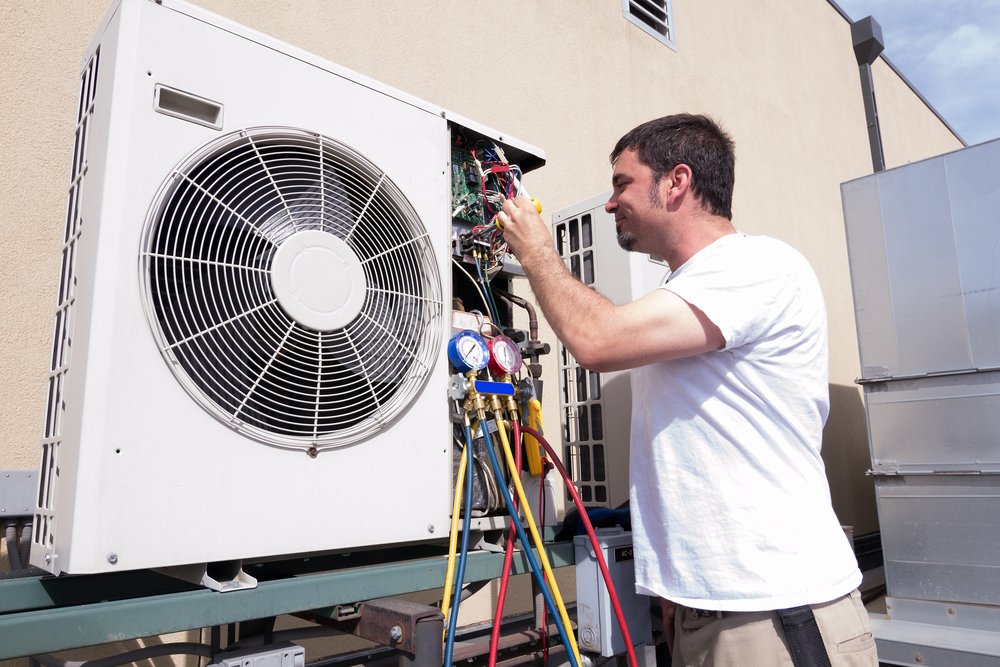
Choosing an HVAC contractor is not something most homeowners do often. Usually, the need arises when the air conditioner stops cooling on a hot afternoon, a furnace fails during a cold night, or energy bills suddenly increase without an obvious explanation. When comfort and safety are involved, choosing the first company that appears in a search result can be a costly mistake.
A reliable residential hvac company should do more than repair equipment. The right contractor should understand your home’s heating and cooling requirements, explain problems clearly, provide realistic options, and stand behind the work. Taking some time to evaluate contractors before hiring one can prevent poor workmanship, unexpected charges, and repeated service calls.
What Makes an HVAC Company Reliable?
A dependable HVAC company combines technical knowledge, proper credentials, transparent communication, and consistent workmanship. A professional contractor should be able to explain what is wrong with your system without using confusing jargon or pressuring you into an immediate replacement.
Experience also matters, but years in business alone do not guarantee quality. A contractor may have decades of experience but still provide poor customer service or outdated recommendations. Look for evidence that the company regularly works with systems similar to yours and understands current efficiency standards, installation practices, and safety requirements.
A reliable company should also be willing to put important details in writing. Estimates, warranties, recommended repairs, equipment specifications, and payment terms should be clear before work begins.
Step-by-Step Guide to Choosing the Right Contractor
1. Start With Local Research
Begin by creating a shortlist of several HVAC companies rather than choosing the first one you find. Ask homeowners you trust for recommendations and research local companies independently.
Pay attention to patterns in customer feedback rather than focusing on one exceptionally positive or negative review. Complaints about repeated repairs, unexplained charges, poor communication, or missed appointments deserve attention.
At the same time, remember that online reviews are only one part of the evaluation. A contractor’s credentials, experience, warranty policies, and communication should also influence your decision.
2. Verify Licensing and Insurance
Before allowing anyone to work on your HVAC equipment, confirm that the company meets the licensing requirements applicable in your area.
Insurance is equally important. Proper coverage helps protect homeowners if an accident, property damage, or worker injury occurs during a project.
Do not hesitate to ask for documentation. A reputable contractor should understand why homeowners want to verify these details.
3. Check Experience With Your Specific System
HVAC systems are not interchangeable. A company that primarily installs standard central air conditioners may not have the same level of expertise with heat pumps, ductless mini-splits, boilers, geothermal systems, or sophisticated zoning systems.
For example, if your home has a heat pump that is short-cycling, you want a technician who understands both refrigeration and heating operation rather than someone who simply treats the unit like a conventional air conditioner.
Ask questions such as:
- How often do you work on this type of system?
- Do you service my equipment’s manufacturer?
- Have you handled similar problems before?
- Do you provide both repair and maintenance services?
Specific answers are more useful than broad claims about being an “expert.”
4. Request a Detailed Written Estimate
A professional estimate should explain what the contractor plans to do and what the expected cost includes.
For a replacement, the estimate may include equipment, labor, permits, removal of the old system, installation materials, startup procedures, and warranty information. For a repair, it should identify the diagnosed problem and the proposed solution.
Be cautious when a contractor gives only a vague total price. Two estimates can have dramatically different scopes of work even when their prices appear similar.
For example, one company might quote a low price for replacing an air conditioner but exclude electrical modifications, refrigerant-line work, or disposal fees. A more expensive estimate may actually represent better value because it includes everything necessary for a proper installation.
5. Compare Value, Not Just Price
Price is important, but the cheapest estimate is rarely the only factor worth considering.
Consider the quality of equipment, installation practices, warranty coverage, expected operating costs, and contractor reputation. A poorly installed high-efficiency system can perform worse than a properly installed standard system.
Think about the total cost of ownership rather than only the amount you pay on installation day. Energy efficiency, maintenance requirements, expected lifespan, and repair availability can all affect long-term value.
6. Evaluate Communication
Communication often reveals how a company will treat you after receiving payment.
Does the contractor arrive when promised? Do they answer questions directly? Do they explain unexpected findings before performing additional work? Are estimates and appointment details easy to understand?
Imagine a technician discovers that your existing ductwork is restricting airflow during a replacement. A responsible contractor should explain the issue, show you why it matters, and discuss possible solutions before adding work to the project.
Clear communication reduces misunderstandings and gives homeowners more control over important decisions.
Common Mistakes Homeowners Make
One common mistake is waiting until an HVAC system completely fails before researching contractors. Emergency situations create pressure, making it easier to accept an unsuitable company or expensive proposal.
Another mistake is choosing based entirely on price. A suspiciously low estimate can indicate omitted work, inferior materials, limited warranty coverage, or an inexperienced installer.
Homeowners also sometimes focus heavily on equipment brands while overlooking installation quality. A reputable manufacturer cannot compensate for incorrect sizing, poor airflow design, improper refrigerant charging, or inadequate electrical work.
Finally, avoid accepting a recommendation for replacement without understanding the diagnosis. If a relatively young system needs a major repair, ask what failed, why it failed, whether repair is practical, and what the expected remaining service life is.
Practical Tips for Better HVAC Decisions
Before requesting estimates, gather basic information about your system, including its approximate age, manufacturer, model, and recent problems. This gives contractors useful context before they arrive.
For replacement projects, ask whether the contractor will evaluate the home’s existing ductwork, insulation, airflow, and heating and cooling requirements. Proper sizing matters because an oversized or undersized system can create comfort and efficiency problems.
Also ask about maintenance after installation. Regular professional maintenance can help identify developing problems, keep equipment operating efficiently, and extend its useful life.
Keep your documentation after the project is complete. Save the invoice, equipment information, warranty paperwork, maintenance recommendations, and installation records. These documents can become valuable if you later need warranty service or decide to sell the home.
Conclusion
Choosing a reliable residential HVAC company requires more than comparing prices. Verify credentials, investigate experience, request detailed estimates, evaluate communication, and consider the long-term value of the work. Most importantly, choose a contractor who explains recommendations clearly and treats your home and budget with respect.
A dependable HVAC professional should leave you confident about what was done, why it was necessary, and what you can expect from your system in the future. Taking the time to make that choice carefully can mean fewer surprises, better comfort, and a heating and cooling system that performs reliably for years.

You may also like

What Types of Wedding Transport Can You Hire?

What Does a Local Seo Company Do for Small Businesses?