
How to Choose Reliable Brick Paver Contractors for Your Project
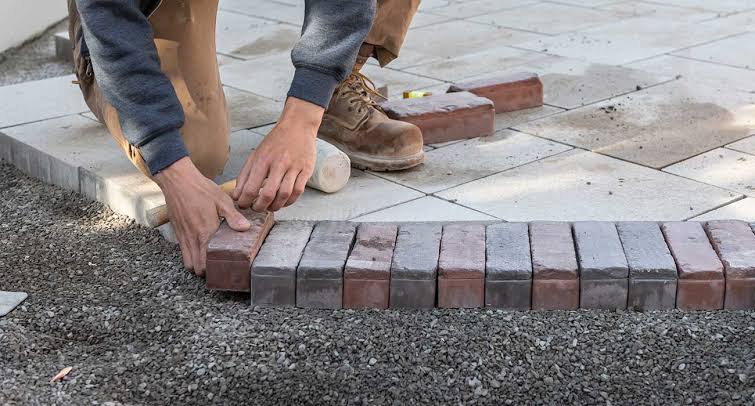
Installing brick pavers can transform a driveway, walkway, patio, pool deck, or outdoor entertaining area. But the quality of the finished project depends on much more than the appearance of the bricks you select. Proper excavation, base preparation, drainage, grading, edge restraint, jointing, and installation techniques all influence how well the surface performs over time.
Choosing experienced brick paver contractors is therefore one of the most important decisions you will make before construction begins. A contractor who understands both the design and structural sides of paver installation can help prevent problems such as shifting bricks, standing water, uneven surfaces, and premature deterioration.
The challenge is that contractors can differ significantly in experience, workmanship, communication, and pricing. A low estimate may look attractive initially but become expensive if poor preparation leads to repairs later. The following steps can help you evaluate contractors objectively and select someone who is equipped for your specific project.
What Makes a Brick Paver Contractor Reliable?
A reliable contractor should have more than general landscaping experience. Brick paver installation involves several specialized steps, and skipping one can affect the entire surface.
Look for a contractor who can clearly explain how they will prepare the site, establish the correct slope, install the base material, compact each layer, create appropriate edge restraints, and finish the joints. They should also be comfortable discussing drainage rather than treating it as an afterthought.
Experience with projects similar to yours is particularly valuable. A contractor who regularly installs residential patios may not have the same expertise required for a large driveway that must withstand vehicle traffic.
Good contractors should also be able to provide a written proposal that explains the scope of work, materials, estimated timeline, payment terms, and any warranties.
Step-by-Step Guide to Choosing the Right Contractor
1. Define Your Project Before Getting Estimates
Before contacting contractors, determine what you want to build. Consider the location, approximate dimensions, intended use, preferred paver style, and any existing problems with drainage or grading.
For example, a decorative backyard walkway has different requirements from a driveway supporting two vehicles. Knowing these details makes it easier to compare estimates because each contractor can price essentially the same scope of work.
If you’re replacing an existing surface, document its current condition as well. Cracked concrete, standing water, tree roots, or unstable soil may require additional preparation.
2. Research Local Experience
Start by creating a shortlist of contractors who have completed similar paver projects. Look at portfolios carefully rather than judging a company solely by the number of years it has been operating.
Pay attention to details in completed projects. Are the lines straight? Do curves look consistent? Are pavers sitting at an even height? Do transitions around steps, walls, landscaping, and drainage structures appear clean?
A contractor who can show several comparable installations gives you a better indication of what you can realistically expect.
3. Verify Licensing, Insurance, and Business Information
Requirements vary by location, so determine which licenses or registrations apply to your project. Ask the contractor for evidence rather than assuming they have everything required.
Insurance is equally important. Appropriate coverage can help protect homeowners if someone is injured on the property or accidental damage occurs during construction.
You should also verify basic business information, including a physical business address, established communication channels, and a written contract. A professional contractor should not be uncomfortable providing this information.
4. Ask Detailed Questions About Site Preparation
Site preparation is one of the biggest differences between a durable paver installation and a surface that starts failing within a few seasons.
Ask questions such as:
- How deep will you excavate?
- What type of base material will you use?
- How will the base be compacted?
- How will you handle soft or unstable soil?
- What slope will you use for drainage?
- How will you prevent the pavers from moving at the edges?
- How will you address existing drainage problems?
Don’t focus only on the thickness of the pavers. A high-quality paver installed over a poorly prepared base can still fail.
5. Get Multiple Written Estimates
Obtaining at least three estimates is useful because it gives you a clearer understanding of the project’s expected cost.
However, don’t automatically choose the lowest bid. Compare what each estimate actually includes.
One contractor might quote a low price because excavation, additional base material, disposal, or edge restraints are excluded. Another may provide a higher estimate because the proposal includes more extensive preparation.
A useful comparison should consider:
Total price + materials + preparation + drainage + installation method + warranty + project timeline
This provides a much better basis for decision-making than price alone.
6. Check References and Previous Work
Ask for references from recent customers with projects similar to yours. If possible, inspect completed installations in person.
When speaking with previous customers, ask practical questions:
- Did the contractor start and finish when promised?
- Was communication consistent?
- Did the final cost match the estimate?
- How did the contractor handle unexpected problems?
- Has the installation remained stable?
- Would the customer hire the contractor again?
These questions often reveal more than online reviews alone.
Common Mistakes Homeowners Make
One common mistake is choosing a contractor based primarily on price. Saving money at the beginning is not useful if the pavers need extensive repairs shortly afterward.
Another mistake is failing to discuss drainage. Water can cause serious problems when it remains beneath or around a paved surface. Proper grading and drainage should be part of the original plan.
Homeowners also sometimes accept vague proposals. A quote that simply says “install pavers” leaves too many unanswered questions. The proposal should describe preparation, materials, installation, cleanup, and other important work.
Finally, avoid making a decision based solely on photographs. A contractor’s portfolio shows appearance but may not reveal how the installation was constructed underneath.
Practical Tips for Getting Better Results
Discuss Maintenance During the Planning Stage
Ask what maintenance the finished surface will require. Depending on the paver type and location, maintenance may include cleaning, controlling weeds, replenishing joint material, or addressing minor settling.
Understanding maintenance requirements before installation can help you choose appropriate materials and budget realistically.
Pay Attention to Communication
Communication is an underrated indicator of professionalism. Contractors who answer questions clearly, arrive prepared, explain changes, and provide written information are generally easier to work with throughout a construction project.
If a contractor is difficult to reach before signing the contract, communication may become even more challenging once construction begins.
Don’t Ignore Small Details
Details such as transitions, drainage grates, steps, borders, corners, and connections to existing surfaces can make a major difference in the finished result.
Ask how these areas will be handled before construction starts. A professional installer should have a clear plan rather than improvising after the work begins.
Put Everything in Writing
Your contract should identify the project scope, materials, approximate quantities, cost, payment schedule, expected completion period, change-order procedures, and warranty terms.
Written documentation protects both sides and reduces misunderstandings when unexpected site conditions arise.
Conclusion
Choosing a reliable brick paver contractor requires more than comparing prices. The right professional should have relevant experience, understand proper site preparation and drainage, provide a detailed written proposal, carry appropriate insurance, and have a history of satisfactory work.
Take time to compare several contractors, inspect previous projects, ask technical questions, and understand exactly what each estimate includes. A carefully selected contractor can help ensure that your paver installation not only looks attractive when completed but also remains stable, functional, and durable for years to come.

You may also like

Tour Operator CRM for Leads, Bookings & Customer Management

When Is a Software Prototype a Waste of Time for a Startup?
