How to Choose the Right Home Builders for Your New House
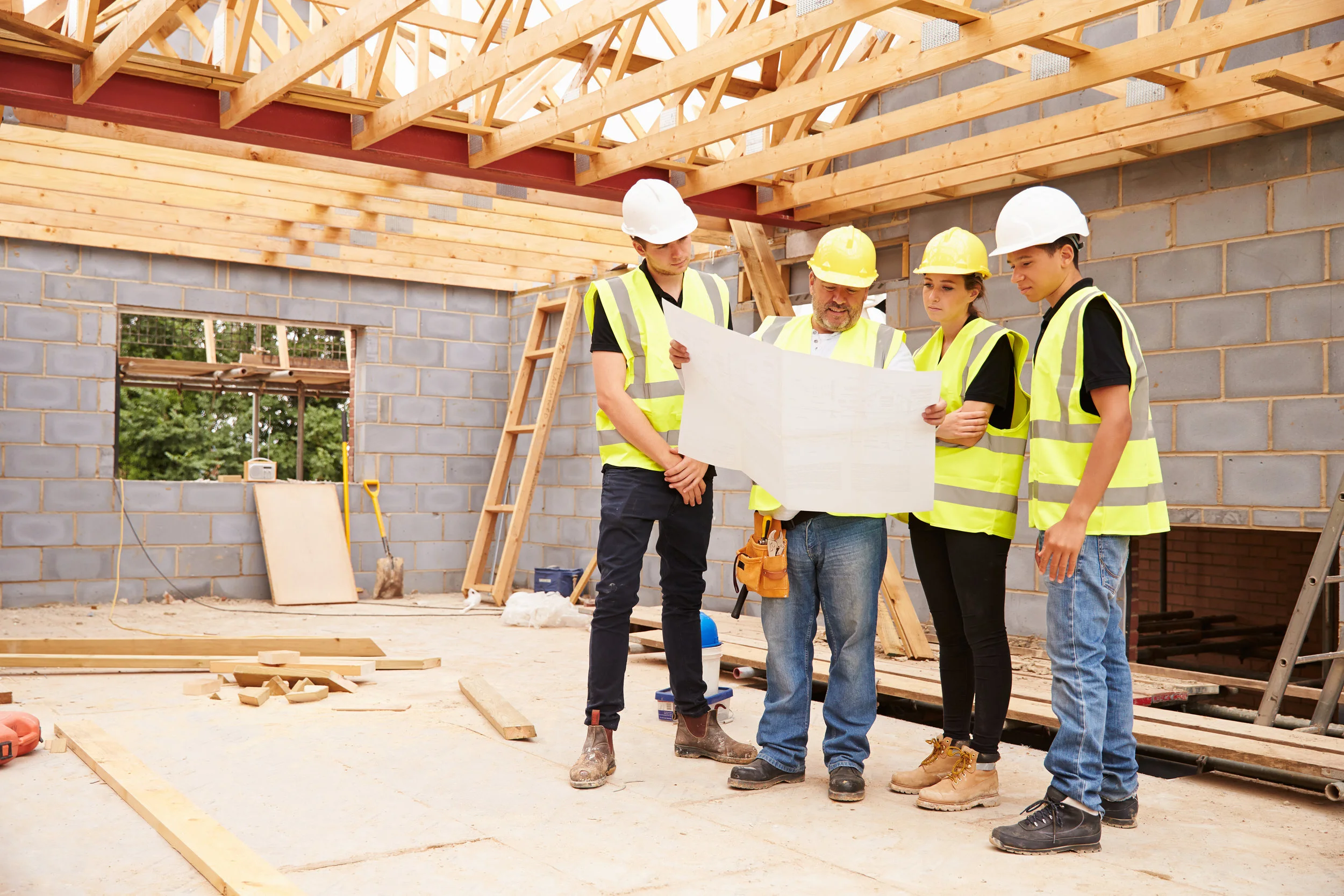
Building a new house is one of the biggest financial and personal decisions most people make. Unlike buying an existing property, new construction gives you control over the layout, materials, finishes, and features. But those advantages also come with more decisions—and choosing the wrong contractor can turn an exciting project into a costly, stressful experience. Finding reliable home builders who understand your goals, budget, and expectations is one of the most important steps in the entire process.
The challenge is that many builders can look similar on paper. They may have professional websites, attractive portfolios, and positive testimonials. The real differences often become apparent only after construction begins. A builder’s communication habits, subcontractor management, attention to detail, contract terms, and approach to unexpected problems can have a major effect on the finished home.
The good news is that you can evaluate builders systematically before signing a contract. Instead of choosing based solely on price or appearance, look at experience, reputation, financial transparency, construction quality, and how well the builder fits your particular project.
What to Look for in a Home Builder
The right builder should have more than construction experience. They should have experience with projects similar to yours and a process that gives you reasonable visibility throughout construction.
Start by defining your project. Consider the home’s approximate size, architectural style, location, number of floors, desired features, and realistic budget. A builder who specializes in large luxury homes may not be the best fit for a modest custom house, while a company focused on standardized plans may not be equipped for extensive customization.
Check Relevant Experience
Ask how many homes the builder has completed that are comparable to yours. Look beyond the total number of years in business.
For example, if you want a two-story home with extensive energy-efficient features, ask whether the builder has completed similar projects. Relevant experience helps because the contractor is more likely to understand the structural, permitting, material, and scheduling issues involved.
Ask for examples of completed homes and, where possible, visit properties they have built. Seeing the actual workmanship can tell you considerably more than photographs.
Verify Licensing, Insurance, and Credentials
Before discussing final pricing, verify that the builder has the licenses and permits required in your area. You should also confirm appropriate insurance coverage, including general liability and workers’ compensation where applicable.
These checks protect both parties. If an accident occurs on the job or property damage results from construction activities, inadequate insurance can create serious financial problems.
It is also worth checking whether the builder has received complaints, unresolved disputes, or disciplinary actions through relevant local or state authorities.
How to Compare Builders Step by Step
Once you have identified several candidates, evaluate them using the same criteria. Comparing builders consistently makes it easier to recognize meaningful differences.
1. Request Detailed Estimates
Do not compare builders based on a single total price.
Ask each candidate for a detailed estimate showing major categories such as site preparation, foundation, framing, roofing, plumbing, electrical work, windows, insulation, finishes, fixtures, and landscaping if applicable.
Suppose Builder A quotes $350,000 while Builder B quotes $325,000. The cheaper option may initially appear better. But if Builder B excludes certain flooring, appliances, site work, or upgraded fixtures that Builder A includes, the apparent $25,000 saving may disappear later.
A detailed estimate lets you compare similar scopes of work.
2. Understand Allowances and Exclusions
Pay close attention to allowances. An allowance is an estimated amount set aside for an item that has not yet been selected or whose final cost is uncertain.
For example, a contract might include a $5,000 allowance for kitchen cabinets. If the cabinets you eventually select cost $8,000, you may be responsible for the additional $3,000.
Ask which items have allowances and how changes are priced. Also identify exclusions before signing anything.
3. Talk to Previous Clients
References are particularly useful because they reveal what it is actually like to work with the builder.
Instead of simply asking whether a client was satisfied, ask specific questions:
- Did the builder communicate consistently?
- Was the project completed close to the expected date?
- Were cost increases explained clearly?
- How did the builder handle mistakes?
- Were subcontractors professional?
- Did the final quality match expectations?
- How responsive was the builder after completion?
A homeowner who says, “There were problems, but they handled them quickly and fairly,” may provide a more useful reference than someone who simply says everything was perfect.
4. Review the Contract Carefully
Never rely on verbal promises for important aspects of the project. The written contract should clearly explain the scope of work, payment schedule, estimated completion date, change-order process, warranties, responsibilities, and procedures for resolving disputes.
Pay particular attention to change orders. Construction rarely proceeds without some changes, but there should be a documented process for approving additional work and costs.
Common Mistakes to Avoid
One of the most common mistakes is selecting the lowest bid without understanding what it includes. Construction estimates can vary because builders make different assumptions about materials, labor, site conditions, and finishes.
Another mistake is failing to investigate communication. A builder who takes days to answer basic questions before receiving your deposit may not suddenly become highly responsive after construction starts.
You should also avoid making too many major decisions after construction begins. Last-minute changes can increase costs and disrupt schedules. Decisions about flooring, cabinets, lighting, appliances, and fixtures should be made as early as practical.
Finally, do not assume that a beautiful portfolio guarantees good project management. A builder may produce impressive homes while still struggling with scheduling, communication, or budgeting. Evaluate the entire operation, not just the finished photographs.
Practical Tips for Choosing With Confidence
Create a comparison sheet for every builder you interview. Record their experience, estimated cost, included features, allowances, references, estimated timeline, warranty terms, and communication process.
Ask who will actually manage your project. Some companies have experienced project managers who remain involved throughout construction, while others may rely heavily on subcontractors with limited direct supervision.
Discuss how site problems are handled, too. Unexpected issues such as poor soil, drainage problems, material shortages, or changes in building requirements can affect both cost and schedule. You want a builder who explains problems clearly and presents practical solutions rather than hiding them.
It is also smart to keep a contingency fund separate from your construction budget. Even with a detailed contract, some circumstances are difficult to predict. Having financial room for legitimate changes can prevent unnecessary stress.
Most importantly, pay attention to how the builder treats you during the selection process. A good builder should answer questions without making you feel difficult for asking them. Building a house requires months of collaboration, so trust and communication are not minor considerations—they are part of the service you are hiring.
Conclusion
Choosing the right builder requires more than comparing prices. Evaluate relevant experience, licensing, insurance, references, estimates, allowances, contract terms, communication, and construction management. Visit completed projects when possible and ask previous clients about their real experiences.
The best choice is usually not the cheapest builder or the company with the most impressive portfolio. It is the builder who offers a clear scope of work, realistic expectations, transparent pricing, quality workmanship, and dependable communication. Taking the time to evaluate those factors before construction begins can help you avoid expensive surprises and make the process of building your new home far more predictable.

You may also like

When Is a Software Prototype a Waste of Time for a Startup?

IPTV GOLD Explained: 4K Streaming and Subscription Guide