
Hydrafacial Cost in Islamabad: Why Prices Differ and How to Compare Them Fairly
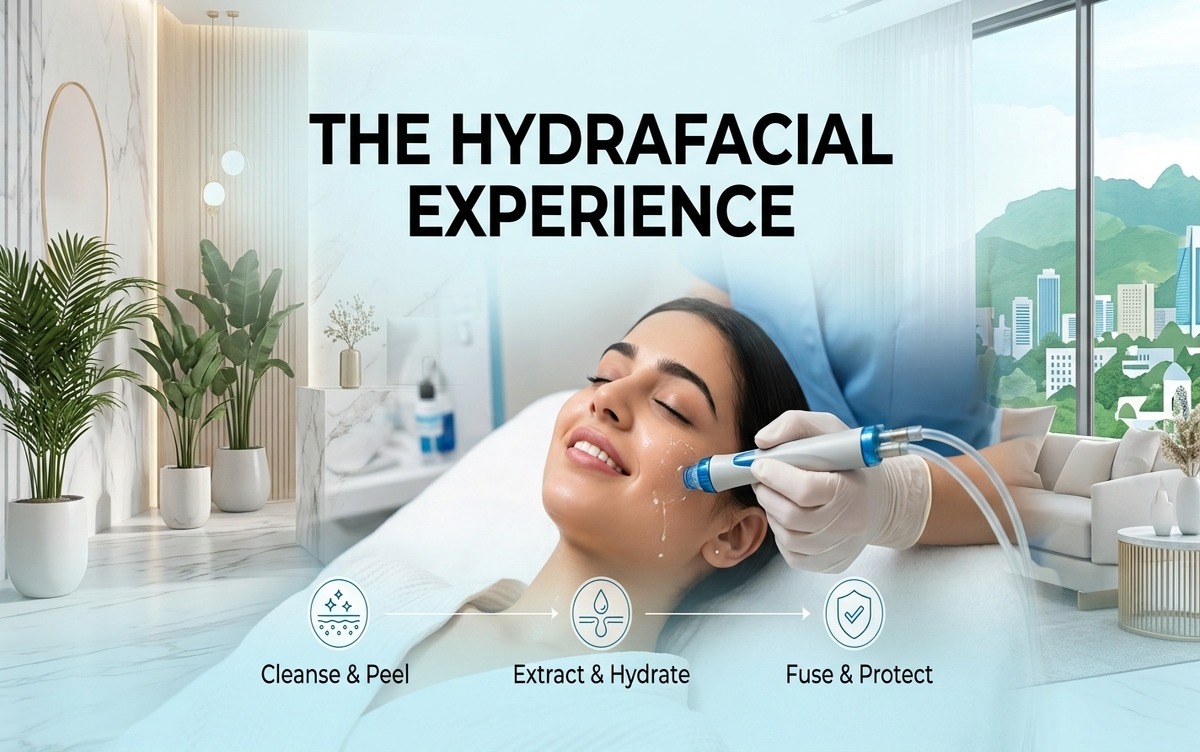
“How much is a Hydrafacial?” is one of the most common questions people ask before booking, and one of the hardest to answer in a single line. Two clinics can both advertise a Hydrafacial and charge very different amounts, and the difference is not always about quality or greed. Often, the two quotes simply cover different things.
This article does not try to name a price. Instead, it explains what actually drives the cost, how to compare quotes properly, and which questions protect you from paying for less than you think. If you can read a quote well, you can judge value far better than any price list allows.
Why there is no single price
A Hydrafacial is not one fixed product. It is a treatment protocol with options layered on top, and each option changes the time, products and expertise involved.
According to Royal Cosmetic Surgery, the cost depends on four main things: the type of Hydrafacial, the number of boosters used, your skin type and the number of sessions recommended after consultation. Let’s look at each of them.
The type of Hydrafacial
The clinic lists several versions: the Simple Hydrafacial, a version with a brightening peel, Oxygeno, Thalgo, a version combined with a chemical peel and the Korean Glass Facial, and its FAQ also mentions the Salmon Facial. Each one adds or changes something, whether that is a peel, a different set of serums or an additional step. A basic version costs less to deliver than a combination one, and that gap is usually reflected in the price.
The boosters
Boosters are the serums infused in the final stage of the treatment. Using more of them, or more specialised ones, raises the product cost and usually the time of the visit. If your skin has one clear concern, a focused booster may be all you need. If you are told you need many, ask why each one is recommended.
Your skin type and concerns
Skin that is sensitive, congested, dry or acne-prone may need a particular approach. A doctor who tailors the treatment to your skin is spending more time and thought than one running the same routine for everyone. That individual attention is part of what you pay for, and it is also part of what keeps the treatment safe.
The number of sessions
One visit can freshen your skin, but the clinic says the results typically last around seven to ten days, and it recommends repeat treatments for the best outcome. That means your real spending is not one session but a pattern over time. Always ask what a realistic plan looks like and what it will add up to, not just what the first appointment costs.
What a fair quote should include
The clinic makes a point that is worth repeating: the price it quotes covers the entire treatment, not just part of it. It also warns that some places offer much lower prices by leaving out one or two steps.
That is the heart of fair comparison. A Hydrafacial has three stages: cleanse and peel, extract and hydrate, then fuse and protect. When you get a quote, ask:
- Are all three stages included?
- Which boosters are included, and which cost extra?
- Is the consultation included?
- Is anything like skin prep or aftercare advice charged separately?
If one clinic says “yes” to all of those and another says “it depends,” the second quote is not really comparable to the first, even if the headline number is lower.
Why very low prices can cost you more
The clinic cautions that getting treated at a much cheaper place can end in burns and blisters, which it describes as the risk of choosing based on savings alone. While serious reactions are not common with a properly performed Hydrafacial, the broader point stands: a skin treatment depends on trained hands, suitable products and a sensible assessment of your skin.
A very low price can mean shortcuts. It might mean fewer steps, weaker products, rushed appointments or no assessment at all. And if your skin reacts badly, the cost of fixing it, in money and in time, can be far higher than whatever you saved.
Per-session price or a package?
Many clinics offer both single sessions and packages. Neither is automatically better.
Single sessions let you test how your skin responds before committing. They are a good fit if you are new to the treatment or planning for a single event.
Packages can offer better value if you already know the treatment suits you and you plan to repeat it on a regular schedule. The risk is paying upfront for a plan that turns out not to fit your skin. Ask what happens if you stop partway, whether sessions expire and whether you can change the type of Hydrafacial within the package.
Questions to ask before you book
Bring these to your consultation:
- What type of Hydrafacial do you recommend for my skin, and why?
- What exactly is included in the quote?
- How many sessions will I realistically need, and how far apart?
- Are boosters or other add-ons charged separately?
- Who will perform the treatment, and what are their qualifications?
- What aftercare do I need, and are any products recommended?
- What happens if I have a reaction?
The clinic’s page names Dr. Ayusha Khan, an aesthetic physician with more than ten years of experience, as the doctor behind its Hydrafacial service, and it says it offers a complimentary consultation. Whether or not you choose this clinic, a consultation that costs nothing and answers these questions is a good sign.
How to compare two clinics side by side
Write both quotes down in the same format:
- type of Hydrafacial
- steps included
- boosters included
- consultation included or not
- number of sessions the plan assumes
- who performs it
- aftercare guidance
Once the quotes are laid out like this, differences become clear. A higher price with more steps and a qualified doctor can be better value than a lower price with fewer steps. A lower price with the same inclusions is simply a better deal. The only way to know is to compare like with like.
Hidden costs to keep in mind
Some costs sit outside the quote:
- Aftercare products. A good moisturiser and sunscreen are part of protecting the result.
- Time. Plan for the appointment, and for a few days when you should avoid sun and makeup, as the clinic advises.
- Repeat sessions. If you want to maintain the result, the real cost is the schedule, not a single visit.
- Travel. Within a city like Islamabad it is small, but it adds up across many sessions.
Is it worth it?
That depends on what you want. If your goals are cleaner pores, better hydration and a fresher look with little downtime, a Hydrafacial can be a reasonable investment, particularly for people who like a regular routine. If your goals are deep scars, strong pigmentation or severe acne, a Hydrafacial alone is unlikely to deliver, and your money may be better spent on a treatment designed for that problem. A good doctor will tell you which category you are in.
A final word
The cheapest option is not always the best value, and the most expensive one is not always the best treatment. Focus on what is included, who performs it and whether the plan fits your skin. For the clinic’s own description of what it includes, see what the clinic includes in its Hydrafacial.
If you would like to speak to someone about your skin and your options, you can ask about a consultation through the clinic’s main website.
