
HydraFacial Myths and Common Mistakes: Acne, Scars, Pregnancy, Frequency and More
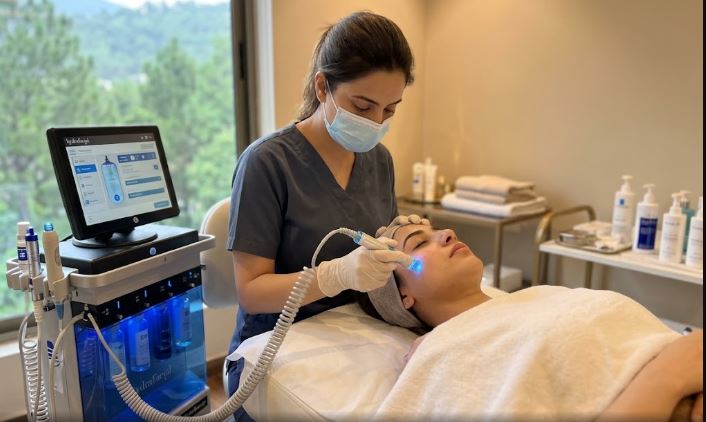
HydraFacial is a popular skin treatment, but there are plenty of misconceptions about what it can do, how often you should get it, and whether it is suitable for everyone. Social media can make the treatment sound like a solution for almost every skin concern, while some people avoid it because of risks that may not apply to their individual situation.
Understanding the facts can help you make a better decision before booking a session.
If you are considering a HydraFacial treatment in Islamabad, this guide explains common HydraFacial myths, realistic results, potential risks and mistakes to avoid. These points are also useful when comparing treatment options at clinics in Islamabad and Rawalpindi.
Myth 1: HydraFacial Is Only for Dry Skin
Hydration is an important part of HydraFacial, but the treatment is not limited to dry skin.
Its combination of cleansing, exfoliation, suction-assisted extraction and serum application may help people concerned about dullness, surface congestion, blackheads and dehydration. The appropriate approach depends on your skin type, sensitivity and treatment goals.
People with oily skin may be interested in the cleansing and extraction stages, while those experiencing dryness may benefit from the hydrating components.
However, oily or acne-prone skin does not automatically make someone a suitable candidate. A skin assessment can help determine whether the treatment is appropriate and which products should be used.
The takeaway: HydraFacial may suit different skin types, but the treatment should be selected and adjusted according to individual needs.
Myth 2: HydraFacial Cures Acne
HydraFacial is not a cure for acne.
The treatment may help remove surface buildup, loosen debris in congested pores and improve the appearance of blackheads. However, acne is an inflammatory skin condition influenced by factors such as excess oil production, clogged follicles, bacteria and hormonal changes.
A facial alone may not address all these causes.
If you experience persistent breakouts, painful acne, deep nodules or acne that leaves scars, consult a qualified dermatologist or aesthetic physician. You may need medical treatment rather than relying on facials alone.
The takeaway: HydraFacial may support general skin maintenance, but it should not replace appropriate acne treatment.
Myth 3: HydraFacial Removes Acne Scars
This is an important distinction because acne marks and acne scars are not the same thing.
Temporary discoloration after a breakout may gradually fade, while a smoother, more hydrated skin surface can make some minor irregularities less noticeable. Neither effect means that the underlying scar has been removed.
Deep or pitted acne scars affect the skin’s structure and often require more targeted treatments. Depending on the type of scarring, a clinician may consider microneedling, laser resurfacing, radiofrequency microneedling or other procedures.
The right option depends on your scar type, skin tone, medical history and tolerance for recovery time.
The takeaway: If acne scars are your main concern, ask about treatments designed specifically for scarring. HydraFacial may be an additional skincare option, but it is not a substitute for scar treatment.
Myth 4: HydraFacial Results Are Permanent
HydraFacial can leave skin looking fresher, smoother and more hydrated, but these results are temporary.
The treatment does not permanently stop oil production, prevent pores from becoming congested or halt the natural renewal of skin cells. Over time, the skin continues to respond to environmental exposure, skincare habits and its normal biological processes.
How long the results remain noticeable varies from person to person. Your skin condition, the treatment performed and your home skincare routine can all influence the outcome.
Some people choose repeat sessions to maintain their results, but not everyone needs the same treatment schedule.
The takeaway: Expect temporary improvements in skin appearance, not a permanent transformation.
Myth 5: The More Often You Get HydraFacial, the Better
Frequent treatments are not automatically more effective.
HydraFacial involves exfoliation, and repeated or excessive exfoliation can contribute to irritation, dryness and sensitivity. Adding stronger peels or other procedures may increase the need for recovery time.
Your ideal treatment frequency depends on your skin condition, the products used and how your skin responds.
If you experience persistent redness, tightness, burning or unusual sensitivity after a session, contact your provider before booking another appointment.
The takeaway: Follow an appropriate treatment schedule rather than assuming that more sessions will produce better results.
Myth 6: Every HydraFacial Is the Same, So Choose the Cheapest
Two clinics may advertise HydraFacial while offering different treatment protocols.
One quote may cover basic cleansing, exfoliation, extraction and hydration. Another may include additional serums, boosters or a separate peel. Equipment, products, provider qualifications and consultation arrangements can also differ.
This means the lowest advertised price does not always represent the best value. Equally, a higher price does not guarantee a better outcome.
When comparing HydraFacial clinics in Islamabad and Rawalpindi, ask:
- Which treatment stages are included?
- What serums and boosters will be used?
- Are additional peels or procedures charged separately?
- Who will perform the treatment?
- Will your skin be assessed before the session?
- What aftercare instructions will you receive?
The takeaway: Compare the actual treatment and the provider’s qualifications, not just the advertised price.
Myth 7: HydraFacial Is Safe for Everyone
HydraFacial may be suitable for many people, but no cosmetic procedure is appropriate for every individual in every circumstance.
The treatment may need to be postponed or modified if you have sunburn, active skin irritation, a compromised skin barrier or certain inflammatory skin conditions. The suitability of exfoliating ingredients and other products also depends on your medical history and current skincare routine.
Can you get HydraFacial during pregnancy?
Pregnancy requires particular care when selecting skincare ingredients and cosmetic procedures.
Some HydraFacial protocols use salicylic acid or other active ingredients, and not every formulation has the same safety profile. The suitability of an ingredient depends on its concentration, formulation, how it is used and your individual circumstances.
If you are pregnant or breastfeeding, discuss the proposed treatment and its complete ingredient list with your healthcare professional before proceeding. Do not assume that a treatment is suitable simply because it is non-surgical.
Also disclose prescription skincare products, recent procedures, allergies and any current skin irritation during your consultation.
The takeaway: Suitability should be assessed individually, especially during pregnancy or when you have an existing skin condition.
Myth 8: HydraFacial Requires No Aftercare
HydraFacial is generally associated with little downtime, but that does not mean aftercare is unnecessary.
Your skin may be temporarily sensitive following exfoliation, particularly if the session includes additional treatments. Appropriate aftercare can help reduce irritation and support the skin barrier.
General precautions may include:
- Use a gentle cleanser and a suitable moisturiser.
- Apply broad-spectrum sunscreen and limit excessive sun exposure.
- Avoid harsh exfoliants or irritating skincare products for the period advised by your provider.
- Follow any specific instructions related to peels or additional procedures.
- Contact your provider if you develop persistent redness, burning, swelling or an unexpected reaction.
Instructions about makeup, shaving, waxing and active skincare products may vary according to the treatment performed. Follow the guidance provided for your particular session rather than applying a fixed recovery timeline to everyone.
The takeaway: Minimal downtime is not the same as zero aftercare.
Myth 9: HydraFacial Is Only for Women
HydraFacial is not limited to women. Men can also experience oily skin, blackheads, clogged pores, dehydration and dullness.
The treatment may be worth considering when the main goals are surface cleansing, hydration and improving the appearance of congested skin.
However, facial hair, shaving irritation, sensitivity and other individual factors should be considered during the assessment.
The takeaway: Suitability depends on skin concerns and individual needs, not gender.
Myth 10: HydraFacial Will Fix My Skin Before an Event, No Matter When I Book
Booking a treatment immediately before an important event can be risky, particularly if it is your first session.
Many people experience little downtime, but temporary redness, irritation or sensitivity can still occur. Adding a peel or another procedure may change the recovery period.
If you have a wedding, party, professional photoshoot or other special occasion, consider trying the treatment well in advance so you can see how your skin responds.
Ask your provider when to schedule your session and whether any temporary restrictions on makeup, sun exposure or active skincare products apply.
The takeaway: Plan ahead rather than assuming your skin will respond perfectly at the last minute.
Other Common HydraFacial Mistakes to Avoid
Even when your expectations are realistic, a few common mistakes can affect your experience.
Choosing a Treatment by Its Name Alone
Names such as Glass Facial, Oxygen Facial, Brightening Facial and Salmon Facial can refer to different protocols or additional services. The terminology is not always standardised across clinics.
Ask what the treatment actually includes, which ingredients are used and how it addresses your specific concern.
Skipping the Skin Assessment
A consultation helps the provider understand your skin type, medical history, current products and treatment goals. Skipping this step may mean overlooking factors that affect suitability.
Trying Too Many New Products at Once
Introducing several new skincare products around the time of treatment can make it harder to identify the cause if irritation develops.
Keep your routine appropriate for your skin and ask your provider whether any products should be paused before or after the procedure. Do not stop prescribed medication without guidance from the clinician who prescribed it.
Forgetting Sun Protection
Sun exposure can contribute to skin damage, uneven pigmentation and irritation. Use suitable broad-spectrum sunscreen and follow the sun-protection advice provided after treatment.
Expecting One Session to Solve Every Concern
HydraFacial primarily targets surface cleansing, exfoliation and hydration. Persistent acne, deeper scars and significant pigmentation may need different approaches.
A good treatment plan should address your main concern instead of promising that one procedure will solve everything.
Ignoring Unexpected Skin Reactions
Mild, temporary sensitivity can occur, but persistent burning, worsening redness, significant swelling or blistering should not be ignored.
Contact your treatment provider for advice. Seek prompt medical assessment if you experience a severe or rapidly worsening reaction.
What Can HydraFacial Realistically Do?
HydraFacial can help improve the appearance of surface congestion, dullness and dehydration. Its combination of cleansing, exfoliation, suction-assisted extraction and serum application may leave the skin looking smoother and fresher.
However, it is not a permanent solution for acne, deep acne scars or every type of pigmentation. Results vary, and the treatment must be matched to the concern being addressed.
Understanding these limits helps you decide whether HydraFacial is a sensible option for your skincare goals.
Frequently Asked Questions About HydraFacial
Is HydraFacial suitable for oily skin?
It may be suitable for some people with oily or congested skin because it combines cleansing with suction-assisted extraction. Your skin condition and the products used should determine whether it is appropriate.
Can HydraFacial make acne worse?
Some people may experience irritation or breakouts after a treatment, depending on their skin condition, the products used and the procedure performed. Discuss active acne and any history of sensitivity with your provider before booking.
Can HydraFacial remove blackheads?
It can help remove debris from congested pores and improve the appearance of blackheads. However, blackheads may return as oil and dead skin cells accumulate again.
How often should I get HydraFacial?
There is no single schedule suitable for everyone. The appropriate frequency depends on your skin condition, treatment protocol and response. Ask your provider to recommend an interval based on your needs.
Is HydraFacial safe during pregnancy?
Do not assume that every HydraFacial protocol is suitable during pregnancy. Review the ingredients and proposed procedure with your healthcare professional before proceeding.
Can men get HydraFacial?
Yes. Men may consider the treatment for concerns such as surface congestion, blackheads and dehydration, provided the procedure is suitable for their skin.
Final Thoughts: Know What HydraFacial Can and Cannot Do
The biggest HydraFacial mistake is expecting a single facial to solve every skin problem. It may be useful for cleansing, hydration and temporary improvements in skin appearance, but it cannot replace medical acne care or treatments specifically designed for deep scarring.
Before booking in Islamabad or Rawalpindi, compare treatment options, check the provider’s qualifications, discuss your skin concerns and understand the expected results.
For details about the available options, visit Royal Cosmetic Surgery’s HydraFacial treatment page in Islamabad. You can also explore the Royal Cosmetic Surgery website for information about the clinic’s other services.
