Is Rick Owens The King Of Dark Minimalist Fashion
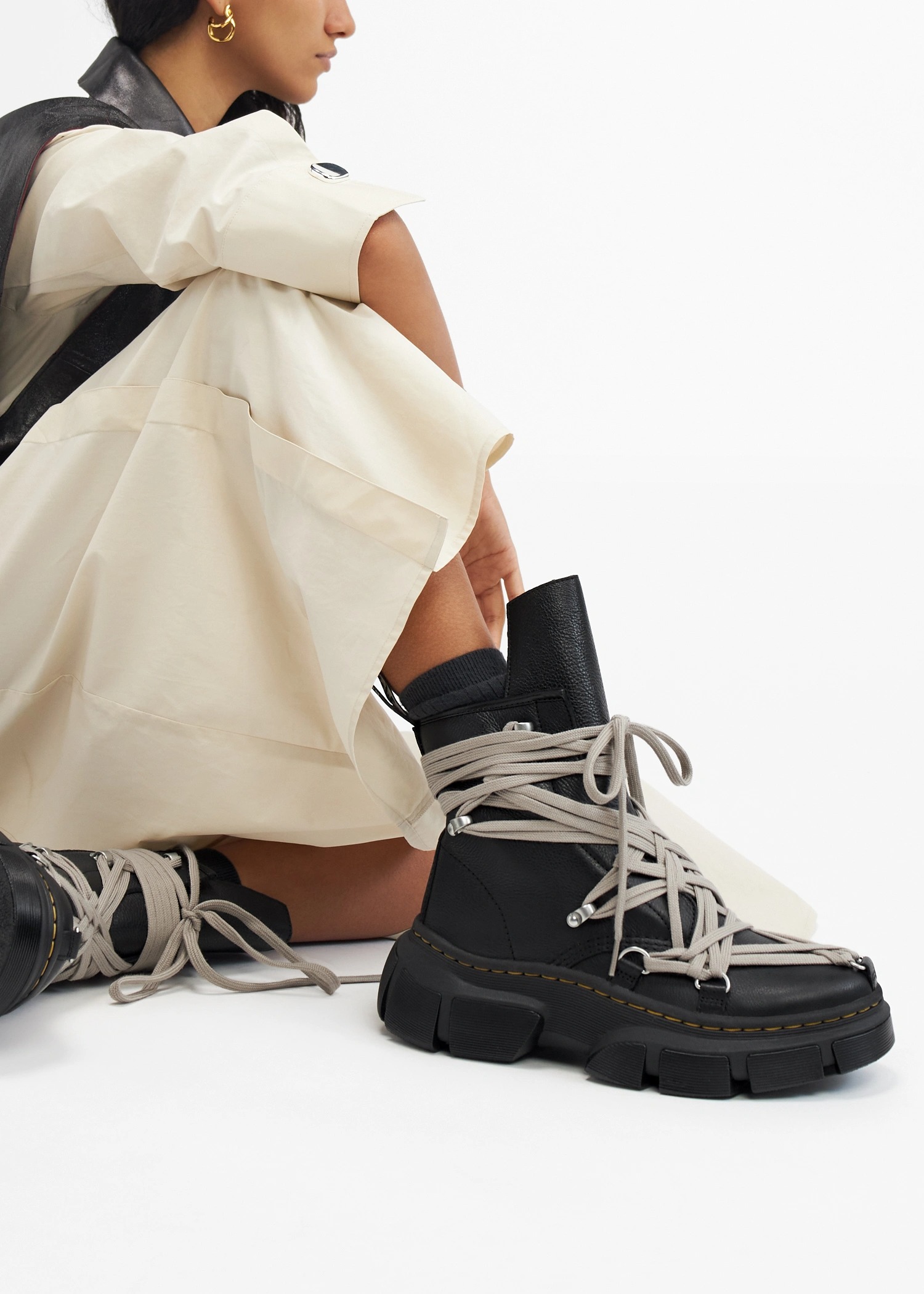
Rick Owens has sort of shaped a vibe that feels like gothic, but also quietly elegant, you know , like it never fully commits to one thing. His clothes almost never “yell” ,and still somehow they end up owning the whole room. Way before dark minimalism became this mainstream word people throw around, he was already building his own weird little universe. Designers swap in and out, but his look stays… weirdly steady for like, three decades. And that steady-ness makes you wonder, right, is Rick Owens really the undisputed king of dark minimalist fashion right now ?
A Designer Who Avoids Trends
Owens kinda built his label by refusing the seasonal stuff that most other fashion houses chase like it’s a job requirement. He favored draped silhouettes, muted tones, and fabrics that look worn, but in a deliberate way, not sloppy rickowns.com. That whole method makes the clothes feel timeless, more than they feel tied to some random fashion moment. When trends die off fast, his silhouette still looks instantly his, season after season, which is , honestly, not easy to pull off. A lot of designers either reinvent too much or they drift. He didn’t. That’s a big reason people link him so quickly with dark minimalism.
The Power Of Dark Palettes
He rarely leaves black, grey, bone, and deep earthy brown shades alone. Those colors are muted, but they create this moody atmosphere that’s both serious and oddly calming at the same time. Instead of bright prints or loud patterns, he lets texture do the talking, plus the silhouette itself. The result feels closer to sculpture than regular everyday clothing. Other brands definitely copied the dark minimal approach later on, but most of them miss that deeper, layered feel. His color discipline works like a quiet signature, fans can spot it across collections without even trying too hard.
Silhouettes That Challenge Convention
Owens often messes with proportion on purpose, stretching shoulders, lengthening hems, and partially hiding the body’s natural shape, like it’s optional. His garments drape in a way that can look uneven, and the asymmetry feels intentional, not like an accident or some careless pattern issue https://rickowns.com/rick-owens-doc-martens/. That kind of shaping makes you rethink what clothing is “supposed” to do. Rather than highlighting curves, he often conceals them under heavy draped fabric. At first it can feel kinda unsettling, but then, if you stay with it, it becomes strangely addictive. He’s not pushing comfort exactly, he’s pushing people toward a more experimental relationship with their clothes.
Influence Beyond The Runway
Now streetwear brands borrow his oversized shapes, chunky soles, and that draped layering style all the time. Even luxury houses tend to reference the silhouettes quietly, like they want the vibe but not the direct mention. Sneaker culture, especially , owes a lot to the chunky, dystopian looking footwear style he helped popularize. Musicians and artists wear his pieces too, projecting mystery and power, with this gothic confidence people can recognize instantly. The influence spreads in a low-key way, showing up in collections that never say his name. It’s kind of proof that his reach goes farther than typical high fashion runway hype.
Competitors In The Same Space
Demna and Yohji Yamamoto are also playing in the same darker, more dramatic lane, with oversized minimal silhouettes and all that. But Owens combines sculpture, architecture, and rawness in a way that only a few others pull off without looking forced. Yamamoto leans more poetic, while Demna often leans political, satirical, and intentionally provocative in tone. Owens, though, feels personal. Almost confessional, like the clothes come from a private mythology he keeps in his pocket. That emotional authenticity kinda separates him from other designers chasing the same dark minimalist territory. His fans describe his work like wearable philosophy, not just seasonal fashion.
Owens And His Lasting Legacy
Rick Owens may not dominate headlines the way flashier designers sometimes do, but his influence still quietly shapes how other designers approach darkness, shape, and dramatic minimal silhouettes. Saying he’s the king of dark minimalism feels less like hype and more like a basic observation. His consistency, emotional weight, and refusal to chase trends have built a legacy that’s not really fading. In years, his impact will probably still show up on runways and in street style too. For now though, that “throne” in dark minimalist fashion remains hard to challenge in any serious way.
FAQs
Is Rick Owens considered a minimalist designer?
Yes, but his minimalism is darker, and more sculptural than typical minimalist fashion.
What makes Rick Owens style unique?
It’s the distorted silhouettes, muted colors, and raw textures that make him feel different from most peers.
Does Rick Owens influence streetwear?
Absolutely. His chunky soles and oversized layering heavily shaped modern streetwear trends.
Who are Rick Owens biggest competitors?
Yohji Yamamoto and Demna are usually mentioned in the same breath, especially in dark fashion circles.
Is Rick Owens clothing expensive?
Yes. His pieces sit firmly in the luxury price range, mainly because of craftsmanship and exclusivity.
Tag:#Rick Owens

You may also like

What to Look for Before Choosing a Baby Walker