
Is Urgent Care the Right Choice for Your Everyday Health Needs?
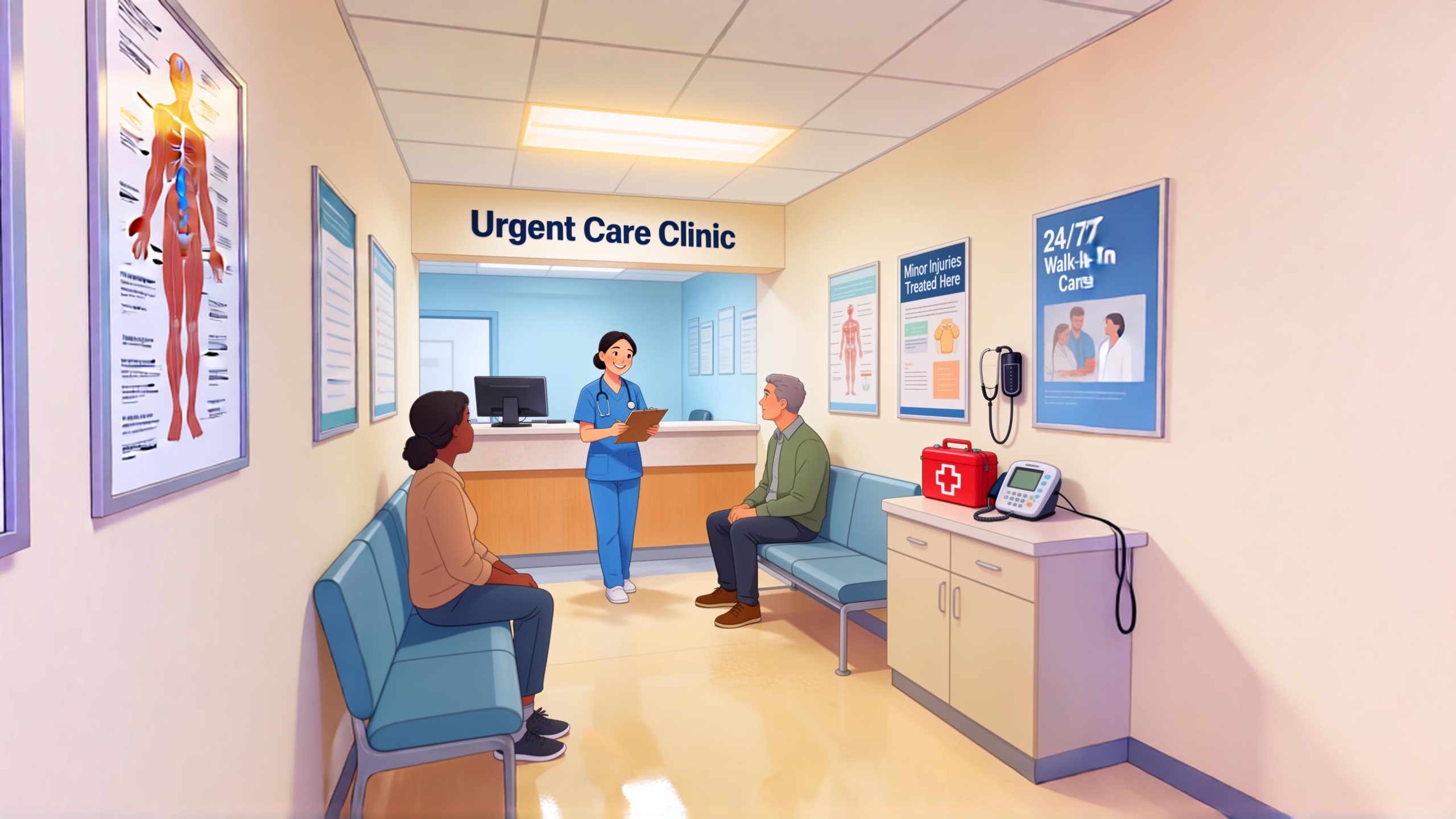
When you’re feeling sick or dealing with a minor injury, deciding where to seek treatment can be confusing. Should you wait for an appointment with your primary care physician, visit the emergency room, or choose an urgent care clinic? For many non-life-threatening medical concerns, urgent care centers provide fast, affordable, and professional treatment without the long wait times often associated with emergency departments. If you’re searching for reliable urgent care columbus ohio, iMed Urgent Care offers comprehensive medical services designed to help patients receive quality care when they need it most.
What Is Urgent Care?
Urgent care centers bridge the gap between primary care physicians and hospital emergency rooms. They are designed to treat illnesses and injuries that require prompt attention but are not severe enough to warrant an emergency room visit.
Unlike many doctor’s offices, urgent care clinics often accept walk-in patients, provide extended evening and weekend hours, and deliver quick medical evaluations, making them an excellent option for busy individuals and families.
When Should You Visit an Urgent Care Clinic?
Many people hesitate because they’re unsure whether their condition qualifies for urgent care. In general, you should consider visiting an urgent care clinic if your condition requires same-day medical attention but isn’t life-threatening.
Common reasons include:
- Cold and flu symptoms
- Fever
- Sore throat
- Ear infections
- Sinus infections
- Minor cuts requiring stitches
- Sprains and strains
- Minor burns
- Allergic reactions without breathing difficulty
- Urinary tract infections
- Mild dehydration
- Skin rashes
- Pink eye
- Minor fractures
These conditions can usually be evaluated and treated quickly without the high costs associated with emergency room care.
What Conditions Require an Emergency Room Instead?
While urgent care clinics treat many illnesses and injuries, some medical emergencies require immediate hospital care.
Go directly to the emergency room if you experience:
- Chest pain
- Difficulty breathing
- Stroke symptoms
- Severe head injuries
- Major burns
- Heavy bleeding
- Loss of consciousness
- Seizures
- Serious trauma
- Severe allergic reactions affecting breathing
Knowing the difference can help you receive the appropriate level of care while reducing unnecessary emergency room visits.
Why Are More People Choosing Urgent Care?
Healthcare has evolved significantly over the past decade. Patients today value convenience, shorter wait times, and transparent pricing.
Urgent care centers offer several advantages:
Faster Service
Most patients are seen much faster than they would be in a hospital emergency department.
Lower Costs
Urgent care visits generally cost considerably less than emergency room visits for similar non-emergency conditions.
Walk-In Availability
Appointments are usually unnecessary, allowing patients to receive treatment when illness strikes unexpectedly.
Extended Hours
Many clinics remain open during evenings, weekends, and some holidays, making healthcare more accessible.
Comprehensive Care
Modern urgent care centers often provide:
- Diagnostic testing
- X-rays
- Lab work
- Vaccinations
- Physical examinations
- Medication prescriptions
- Minor procedures
This combination allows many patients to receive complete care in a single visit.
Can Urgent Care Treat Children?
Yes. Many urgent care clinics treat both adults and children for common illnesses and injuries.
Parents frequently visit urgent care when children develop:
- Ear infections
- Fever
- Cough
- Flu symptoms
- Minor injuries
- Skin infections
- Sore throats
Quick access to medical professionals can provide reassurance while helping children recover sooner.
Does Urgent Care Offer Preventive Health Services?
Absolutely.
Urgent care isn’t only for illnesses. Many clinics provide preventive healthcare services that help patients stay healthy throughout the year.
Preventive services may include:
- Vaccinations
- Sports physicals
- School physicals
- Wellness screenings
- Occupational health services
- Blood pressure monitoring
- Health education
Preventive care plays an essential role in identifying health issues before they become more serious.
How Can Occupational Health Services Benefit Employees?
Many employers rely on urgent care clinics to provide occupational healthcare services.
These services often include:
- Drug testing
- Employment physicals
- Injury evaluations
- Return-to-work examinations
- Vaccinations
- Respirator fit testing
Having quick access to occupational healthcare helps businesses maintain a healthier workforce while minimizing downtime.
Why Are Physical Exams So Important?
Routine physical examinations help detect medical concerns early while ensuring individuals meet school, employment, or regulatory requirements.
Different physical exams serve different purposes.
For example, employment physicals evaluate whether an individual can safely perform job duties, while sports physicals determine whether students can safely participate in athletic activities.
Individuals who require commercial driving or work-related examinations should also understand the differences between various physical requirements. If you’re interested in learning more about a non dot physical, understanding its purpose can help ensure you schedule the correct examination based on your employment or licensing needs.
How Does Urgent Care Improve Community Healthcare?
Urgent care centers help reduce pressure on overcrowded emergency departments by treating patients with non-emergency conditions.
This creates several benefits:
- Reduced ER wait times
- Lower healthcare costs
- Faster treatment
- Improved patient satisfaction
- Better access to medical professionals
Communities benefit when healthcare resources are used efficiently, allowing emergency rooms to focus on critically ill patients.
What Should You Bring to an Urgent Care Visit?
Preparing for your appointment helps streamline your visit.
Consider bringing:
- Photo identification
- Insurance card
- List of medications
- Allergy information
- Previous medical records if available
- Payment method
Having this information ready allows providers to deliver accurate and efficient care.
How Can You Stay Healthy Between Medical Visits?
Although urgent care provides excellent treatment for unexpected illnesses, maintaining healthy daily habits remains equally important.
Simple wellness practices include:
- Drinking plenty of water
- Eating nutritious foods
- Exercising regularly
- Getting enough sleep
- Washing hands frequently
- Staying current with vaccinations
- Managing stress effectively
- Scheduling routine health screenings
Preventive care combined with healthy lifestyle choices can significantly reduce the likelihood of developing many common illnesses.
Final Thoughts
Urgent care has become an essential part of today’s healthcare system by providing fast, convenient, and affordable treatment for a wide range of non-emergency medical conditions. Whether you’re experiencing a sudden illness, a minor injury, or need preventive services such as physical examinations, choosing the right healthcare provider can save both time and money while ensuring you receive quality medical attention. Understanding when to visit urgent care versus the emergency room empowers patients to make informed healthcare decisions and receive the appropriate level of treatment when it matters most.
Tag:healthcare, urgent care

