• Home
  • Traditional Learning

    First Aid

    • 3 Day First Aid at Work
    • Emergency First Aid at Work
    • First Aid at Work Re-qualification
    • First Aid Annual Refresher
    • Automated External Defibrillator (AED)
    • Paediatric First Aid 6 hours
    • Paediatric First Aid 12 hours
    • Allergy and Anaphylaxis Training (Benedict’s Law)
    • First Aid in Schools 18hrs
    • Emergency First Aid at Work and Paediatric 12hrs Combined
    • First Aid in School 1 Day
    • First Aid Course for Parents

    Health & Safety

    • Health and Safety in the Work Place Level 3
    • Health and Safety Awareness

    Food Hygiene

    • Food Safety Level 3
    • Basic Food Hygiene
    • Allergen Awareness

    Fire Safety

    • Fire Marshal
    • Fire Safety Awareness

    Manual Handling

    • Manual Handling Level 2
    • Manual Handling Awareness

    Health & Social Care

    • Administering of Medication
    • Safeguarding Adults
    • Dementia Awareness
    • Infection Control
    • Mental Capacity Act and DoLS
    • Mental Health Awareness​
    • Nutrition and Health
    • Whistleblower Training
  • Distance Learning

    Level 2

    • Mental Health Awareness
    • Personal Exercise, Nutrition & Health
    • Falls Prevention Awareness
    • Common Health Conditions
    • Cleaning Principles
    • Principles of Team Leading
    • Customer Service in Care
    • Safe Handling of Medication
    • Behaviour That Challenges
    • End of Life Care
    • Principles in Care Planning
    • Dignity and Safeguarding

    Level 2

    • Adult Social Care
    • Nutrition and Health
    • Infection Control
    • Equality and Diversity
    • Safeguarding and Prevent
    • Dementia Care
    • Common Childhood Illnesses
    • Children and Young People’s Mental Health
    • Specific Learning Difficulties
    • Management of Diabetes
    • Dementia Care

    Level 2

    • Caring for Children and Young People
    • Learning Disabilities
    • Understanding Autism
    • Customer Service in Hospitality
    • Counselling Skills
    • Warehousing and Storage
    • Lean Organisation Management
    • Information Advice and Guidance
    • Customer Service
    • Business Administration
    • Retail Operations

    Level 2

    • Business Start Up
    • Business Improvement Techniques
    • Data Protection and Data Security
    • Mental Health First Aid
    • Personal Care Needs
    • Technology Enabled Care
    • Tenant Support in Social Housing
    • Workplace Violence and Harassment
    • Climate Change and Environmental Awareness
  • Blended & E-Learning

    Blended Learning

    • Blended First Aid Training at Work
    • Blended Emergency First Aid at Work
    • Blended 12 Hour Paediatric First Aid Course
    • Blended Combined Paediatric 12 hrs and First Aid at Work
    • Blended Combined Paediatric 12hrs and Emergency First Aid at Work

    E-Learning

    • Manual Handling Level 2
    • Chaperoning Training in Primary Care
    • Annual First Aid Refresher Update
    • CPR / AED and Medical Emergencies for Dental Professionals
    • First Aid Awareness for Water Based Settings
    • Outdoor First Aid Course
    • Safeguarding Children Course

    E-Learning

    • Fire Marshal Training
    • Level 2 Food Safety
    • Prevent Duty Training
    • Fire Safety Training for Early Years
    • First Aid for Parents Course
    • Risk Assessment for Nurseries
    • Family First Aid Course
    • Allergy and Anaphylaxis Awareness for Schools (Benedict’s Law)

    E-Learning

    • Infection Control Training for Children’s Activity Providers
    • Basic Life Support Training Annual Update for Primary Care (Clinical)
    • CPR Training Annual Update for Primary Care (Non-Clinical)
  • Features
    • Why Choose Us
    • Testimonials
    • Contact
    • Gallery
    • About Us
    • First Aid Training During Covid 19
    • Terms and Conditions
    • Privacy Policy and Cookies
    • Blog
    Have any question?
    07814170078
    info@fastresponsepfa.co.uk
    First Aid
    • Home
    • Traditional Learning

      First Aid

      • 3 Day First Aid at Work
      • Emergency First Aid at Work
      • First Aid at Work Re-qualification
      • First Aid Annual Refresher
      • Automated External Defibrillator (AED)
      • Paediatric First Aid 6 hours
      • Paediatric First Aid 12 hours
      • Allergy and Anaphylaxis Training (Benedict’s Law)
      • First Aid in Schools 18hrs
      • Emergency First Aid at Work and Paediatric 12hrs Combined
      • First Aid in School 1 Day
      • First Aid Course for Parents

      Health & Safety

      • Health and Safety in the Work Place Level 3
      • Health and Safety Awareness

      Food Hygiene

      • Food Safety Level 3
      • Basic Food Hygiene
      • Allergen Awareness

      Fire Safety

      • Fire Marshal
      • Fire Safety Awareness

      Manual Handling

      • Manual Handling Level 2
      • Manual Handling Awareness

      Health & Social Care

      • Administering of Medication
      • Safeguarding Adults
      • Dementia Awareness
      • Infection Control
      • Mental Capacity Act and DoLS
      • Mental Health Awareness​
      • Nutrition and Health
      • Whistleblower Training
    • Distance Learning

      Level 2

      • Mental Health Awareness
      • Personal Exercise, Nutrition & Health
      • Falls Prevention Awareness
      • Common Health Conditions
      • Cleaning Principles
      • Principles of Team Leading
      • Customer Service in Care
      • Safe Handling of Medication
      • Behaviour That Challenges
      • End of Life Care
      • Principles in Care Planning
      • Dignity and Safeguarding

      Level 2

      • Adult Social Care
      • Nutrition and Health
      • Infection Control
      • Equality and Diversity
      • Safeguarding and Prevent
      • Dementia Care
      • Common Childhood Illnesses
      • Children and Young People’s Mental Health
      • Specific Learning Difficulties
      • Management of Diabetes
      • Dementia Care

      Level 2

      • Caring for Children and Young People
      • Learning Disabilities
      • Understanding Autism
      • Customer Service in Hospitality
      • Counselling Skills
      • Warehousing and Storage
      • Lean Organisation Management
      • Information Advice and Guidance
      • Customer Service
      • Business Administration
      • Retail Operations

      Level 2

      • Business Start Up
      • Business Improvement Techniques
      • Data Protection and Data Security
      • Mental Health First Aid
      • Personal Care Needs
      • Technology Enabled Care
      • Tenant Support in Social Housing
      • Workplace Violence and Harassment
      • Climate Change and Environmental Awareness
    • Blended & E-Learning

      Blended Learning

      • Blended First Aid Training at Work
      • Blended Emergency First Aid at Work
      • Blended 12 Hour Paediatric First Aid Course
      • Blended Combined Paediatric 12 hrs and First Aid at Work
      • Blended Combined Paediatric 12hrs and Emergency First Aid at Work

      E-Learning

      • Manual Handling Level 2
      • Chaperoning Training in Primary Care
      • Annual First Aid Refresher Update
      • CPR / AED and Medical Emergencies for Dental Professionals
      • First Aid Awareness for Water Based Settings
      • Outdoor First Aid Course
      • Safeguarding Children Course

      E-Learning

      • Fire Marshal Training
      • Level 2 Food Safety
      • Prevent Duty Training
      • Fire Safety Training for Early Years
      • First Aid for Parents Course
      • Risk Assessment for Nurseries
      • Family First Aid Course
      • Allergy and Anaphylaxis Awareness for Schools (Benedict’s Law)

      E-Learning

      • Infection Control Training for Children’s Activity Providers
      • Basic Life Support Training Annual Update for Primary Care (Clinical)
      • CPR Training Annual Update for Primary Care (Non-Clinical)
    • Features
      • Why Choose Us
      • Testimonials
      • Contact
      • Gallery
      • About Us
      • First Aid Training During Covid 19
      • Terms and Conditions
      • Privacy Policy and Cookies
      • Blog

      Blog

      • Home
      • Blog
      • Kohler Generator Service: Maintenance and Repair Considerations
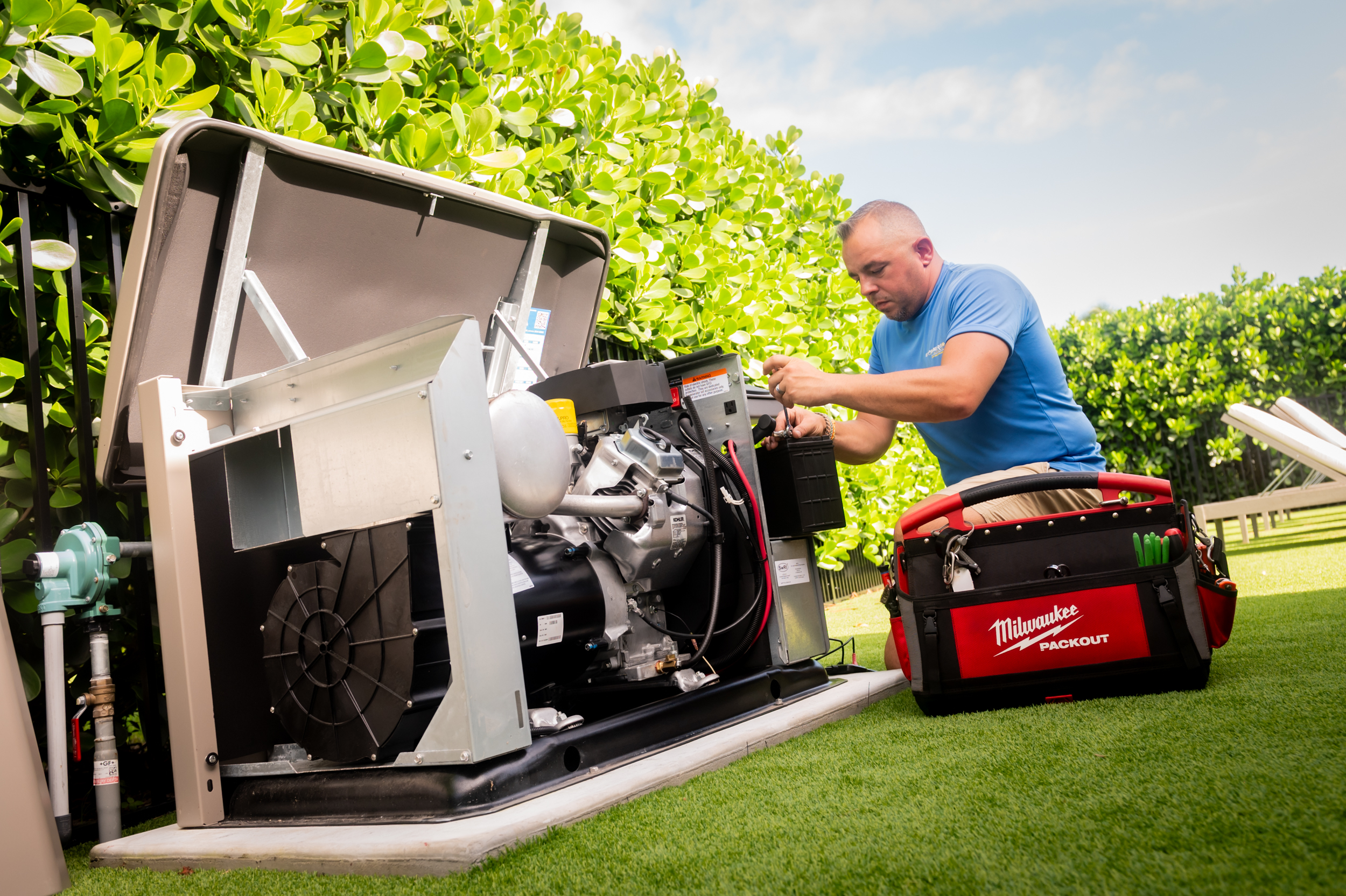
      Kohler Generator Service: Maintenance and Repair Considerations

      • Posted by meh.riztech
      • Categories Blog
      • Date 30 September 2026
      • Comments 0 comment

      A standby generator can sit unused for weeks and still be expected to start immediately when the power goes out. That expectation makes routine maintenance more important than many owners realize. A generator that looks perfectly fine from the outside can have a weak battery, degraded fuel, dirty filters, worn belts, or low coolant that prevents it from operating when needed.

      Understanding kohler generator service is therefore less about reacting to breakdowns and more about preventing them. Regular inspections, scheduled servicing, proper testing, and timely repairs can help maintain reliable performance while also reducing the risk of expensive emergency work.

      Whether a Kohler generator supports a home, commercial building, healthcare facility, construction site, or industrial operation, maintenance should be treated as part of the equipment’s operating requirements rather than an optional expense.

      Understanding What Generator Maintenance Involves

      Generator maintenance covers much more than changing the engine oil. A typical service program examines the engine, electrical system, fuel delivery components, cooling system, exhaust, battery, controls, and safety features.

      The exact service interval depends on the generator model, engine type, operating hours, environment, and manufacturer recommendations. A generator used frequently in a dusty industrial environment may require attention sooner than a lightly used residential standby unit.

      Preventive maintenance generally includes:

      • Engine oil and filter inspection or replacement
      • Air filter inspection and replacement when necessary
      • Fuel system inspection
      • Battery and charging-system testing
      • Coolant-level and cooling-system checks
      • Belts and hoses inspection
      • Exhaust-system inspection
      • Electrical connection checks
      • Control-panel diagnostics
      • Inspection for oil, coolant, or fuel leaks
      • Generator output and operational testing

      The goal is to identify small problems before they become failures.

      For example, a technician may discover a slightly corroded battery connection during routine maintenance. Fixing that connection is inexpensive compared with discovering the problem during a power outage when the generator refuses to start.

      A Practical Kohler Generator Maintenance Strategy

      A reliable maintenance program should combine routine owner checks with professional servicing.

      1. Start With the Manufacturer’s Maintenance Schedule

      The first reference should always be the specific generator’s documentation. Different Kohler models can have different requirements for oil, filters, coolant, valve adjustments, and inspection intervals.

      Avoid applying a generic maintenance schedule to every generator. The engine model and operating conditions matter.

      Keep a service record that includes dates, operating hours, parts replaced, test results, and problems discovered. This creates a useful maintenance history and makes it easier to identify recurring issues.

      2. Inspect the Generator Regularly

      Visual inspections can reveal problems before diagnostic testing is necessary.

      Look around the generator for:

      • Fluid leaks
      • Loose wiring
      • Damaged hoses
      • Corrosion
      • Cracked belts
      • Blocked ventilation openings
      • Rodent or insect activity
      • Accumulated dirt and debris

      The surrounding area also matters. Leaves, dust, packaging materials, and other debris should not obstruct airflow around the generator.

      For outdoor installations, pay particular attention to water exposure and corrosion. A generator enclosure protects components, but it does not eliminate environmental wear.

      3. Check the Battery and Starting System

      A generator cannot help during an outage if it cannot start.

      Starting batteries gradually lose capacity, even when the generator is rarely used. Corroded terminals, loose connections, a failing charger, or an aging battery can all cause starting problems.

      A proper service should involve more than simply looking at the battery voltage. Battery condition, terminal connections, charging performance, and starting behavior should be evaluated.

      As a practical example, a battery can show an acceptable voltage while still failing under the heavy load required to crank an engine. Load or conductance testing can provide a more useful indication of its condition.

      4. Pay Attention to Fuel Quality

      Fuel-related problems are a common cause of generator trouble, particularly when equipment remains unused for long periods.

      Diesel fuel can develop contamination or water-related problems, while gasoline can deteriorate during storage. Fuel filters can also become restricted.

      Fuel quality should therefore be considered part of preventive maintenance. Depending on the installation, maintenance may include inspecting fuel lines, filters, tanks, connections, and fuel condition.

      Never ignore a suspected fuel leak. Besides affecting generator performance, leaking fuel can create significant fire and environmental hazards.

      5. Inspect the Cooling System

      Generators produce substantial heat while operating. The cooling system must remove that heat effectively.

      Check coolant level and condition according to the manufacturer’s requirements. Inspect hoses, clamps, radiators, and related components for leaks, deterioration, or blockage.

      A dirty radiator can restrict airflow and contribute to overheating, especially when a generator operates under a heavy electrical load.

      6. Test the Generator Under Realistic Conditions

      A generator starting successfully does not necessarily mean it is ready to perform during an outage.

      Operational testing should verify that the engine runs correctly and that the generator can produce the expected electrical output. Where appropriate, load testing can reveal issues that may not appear while the generator is running without significant demand.

      For commercial facilities, periodic testing is especially important because a generator may need to support substantial equipment simultaneously.

      Common Maintenance Mistakes and Challenges

      One of the biggest mistakes is waiting for a problem before scheduling service. Preventive maintenance exists specifically to avoid this cycle.

      Another common mistake is focusing exclusively on engine components while overlooking electrical and control systems. A generator can have a healthy engine and still fail to transfer power because of an electrical, control, or connection problem.

      Skipping documentation is another avoidable issue. Without service records, owners may not know when filters were changed, what repairs were performed, or whether a recurring problem has already been identified.

      Poor environmental conditions can also accelerate wear. Dust, extreme temperatures, moisture, vibration, and restricted airflow all affect maintenance requirements.

      Finally, using incorrect replacement parts or fluids can create unnecessary problems. Parts and service materials should match the specific generator and engine requirements rather than simply being selected because they appear compatible.

      Practical Tips for Reliable Generator Operation

      A few habits can significantly improve reliability.

      First, keep the generator area clean and accessible. Technicians should be able to inspect and service the equipment without working around unnecessary obstacles.

      Second, investigate unusual changes immediately. Hard starting, unusual exhaust smoke, new noises, fluctuating voltage, overheating, or fluid loss should not be dismissed simply because the generator continues to operate.

      Third, maintain accurate service records. Record operating hours and every significant maintenance event. This information becomes particularly valuable when diagnosing repeated failures.

      Fourth, do not confuse exercising the generator with complete maintenance. Regular operation can help confirm that the equipment starts and runs, but it does not replace oil changes, filter replacement, battery testing, inspections, and other scheduled service.

      Finally, use qualified technicians for repairs involving engine adjustments, electrical systems, controls, fuel systems, or other components where incorrect work could damage equipment or create safety hazards.

      Conclusion

      Reliable generator performance depends on preparation, not luck. Regular inspections, proper fluid and filter maintenance, battery testing, fuel-system checks, cooling-system inspections, and realistic operational testing can identify problems before they become emergency failures.

      For Kohler generator owners, the most effective approach is to follow the specific manufacturer’s maintenance requirements while adapting inspections to the generator’s operating environment and workload. A small maintenance issue discovered today is usually far easier and less expensive to address than a generator failure during a critical power outage.

      • Share:
      author avatar
      meh.riztech

      Previous post

      Hvorfor er First Base Jordskruer det optimale valget når du må fundamentere i full fart?
      30 September 2026

      Next post

      Fresh Canna Flower Reviews: How to Assess Cannabis Flower Before Buying
      30 September 2026

      You may also like

      Scrap My Car Quote: What Really Determines Your Car’s Value in the UK
      Scrap My Car Quote: What Really Determines Your Car’s Value in the UK?
      7 October, 2026
      img-plush-velvet-divan-bed
      Affordable Double Divan Bed for Comfortable and Stylish Bedrooms
      7 October, 2026
      Food Wrapping Paper Trends Every UK Business Should Know
      7 October, 2026

      The way food gets wrapped is changing fast, and UK kitchens that ignore it are falling behind. Food wrapping paper is no longer just packaging, it’s part of how customers judge quality before they even taste the food. From independent …

      Leave A Reply Cancel reply

      Your email address will not be published. Required fields are marked *

      Search

      Blog Categories

      • Baby First Aid
      • Bez kategorii
      • Blog
      • Business
      • Design / Branding
      • Distance Learning
      • Fire Training
      • First Aid
      • First Aid at Work
      • First Aid For School
      • Health & Social Care
      • Mental Health Awareness
      • Paediatric First Aid
      • Uncategorized

      All Courses

      • Blended and E-Learning
      • Distance Learning
      • Fire Training
      • First Aid
      • Food Hygiene
      • Food Safety
      • Health & Safety
      • Health and Social Care
      • Manual Handling
      • Paediatric First Aid
      • Traditional Learning
      3 Day First Aid at Work

      3 Day First Aid at Work

      £1,395.00
      First Aid Annual Refresher

      First Aid Annual Refresher

      £375.00
      Blended 12 Hour Paediatric First Aid Course

      Blended 12 Hour Paediatric First Aid Course

      £695.00
      logo-eduma-the-best-lms-wordpress-theme

      07814170078

      info@fastresponsepfa.co.uk

      Menu

      • Testimonials
      • About Us
      • Blog
      • Contact
      • Gallery

      Copyright 2023 Powered by Fast Response PFA Ltd – Company Number 7993795