Lessons from people who transformed their lives through discipline
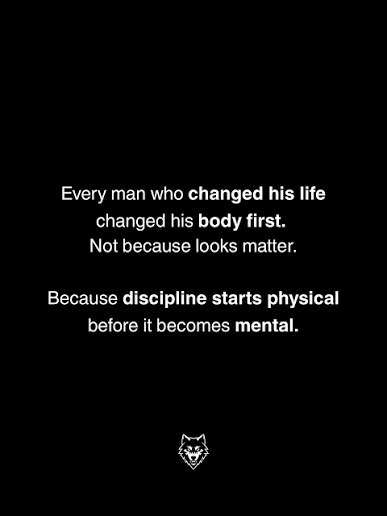
Personal transformation is seldom the result of one major decision. So real transformation is about discipline and patience and the willingness to keep going even when things aren’t moving fast enough.
These are often the same concepts that people use to change their health, professions, mindsets, or daily routines. Their examples show how discipline may turn common behaviors into long-term gains.
Discipline creates change
Motivation can get you started, but it’s not always going to be there. Discipline establishes a habit that carries you forward long after the initial enthusiasm has worn off.
It’s what successful people prefer to focus on. These things they can accomplish every day. Exercise, knowledge, preparation, and attention all add up over time to create a difference in a person’s life.
Consistency matters most
Constancy is one of the most impressive lessons from stories of human development. Regularly doing excellent things usually gives better results than putting in a lot of work for a short period.
Discipline, endurance, and personal responsibility are the greatest ways to understand this rule. The best example of this rule is David Goggins’ transformation. His tale is an example of how routine labor may increase physical ability and mental capacity.
Discomfort builds strength
When people get better, they tend to quit running away from every hard thing. They learn that suffering is no excuse to quit but a crucial part of the growth process.
Tough conversations. Hard work. New skills. Physical exertion. All of these are uncomfortable. These things, done a little at a time, give you confidence, because anything you do is proof you can handle difficulty.
Habits shape the future
Simple habits drive big changes in life, not complex plans. A good structure could be to wake up at the same time, cook your meals, exercise, read, or organize your day ahead.
Good habits also don’t need you to make the same decision over and over again. It is easier to stay disciplined when it takes less energy to decide what to do. Good behaviors become habits.
Responsibility changes mindset
People who make long-term adjustments are more likely to take more responsibility for their decisions. People stop concentrating on the situation and begin to think about the things they can control in life.
This idea is also important to David Goggins’ way of doing discipline, and personal accountability is a big piece of it. Taking responsibility helps people to see their limitations and to find realistic solutions to them.
Progress is rarely perfect
Transformation is not an easy process. There are hurdles. People skip workouts, lose focus, make bad decisions, or seem to have hit a plateau.
It’s how people respond to adversity that matters.” The disciplined person goes back to their routine after a mistake instead of seeing that error as a permanent reason to stop.
Clear goals improve focus
Discipline earns a point and simplifies daily decisions with a clear objective. If you know what you want to achieve, you can see which behaviors are helping you achieve it and which are distracting you.
Big ambitions can be broken down into bite-sized chores that sound more doable. Such modest targets are a sign of progress and make long-term growth easier to achieve.
Environment affects discipline
Personal discipline is not only a question of will power. The environment around a person can either promote beneficial behaviors or make it difficult to sustain them.
When you get rid of distractions, prepare healthy meals ahead of time, tidy up your workstation, or hang out with supportive people, it’s simpler to make good decisions. A carefully constructed setting fosters discipline in everyday life.
Rest supports progress
Discipline does not mean putting the body and mind under unnecessary stress. Rest, sleep, and recovery are essential, as extended weariness can lead to decreased focus and performance.
Those that make progress over the long haul tend to be able to determine when to push and when to rest. Balance lets you keep up healthy practices for months or years, instead than burning out after a short burst of effort.
Success takes time
To outsiders, most important changes seem to happen overnight. In fact, they are often the product of months or years of unconscious repetition.
Patience is also discipline. When people don’t expect to see results quickly, they may focus on getting better every day instead of getting frustrated when they don’t see change soon enough.
Conclusion
People who’ve transformed themselves via discipline tell us that long-term development is almost always a product of consistency, accountability, clear goals, and ongoing action. Motivation may get you going, but it is the everyday routines that make the real progress happen.
The most important lesson is that you don’t have to be flawless to improve. “Progress happens when someone keeps returning to the positive habits, learns from the setbacks, and keeps moving towards a clear goal.”
Also Visit these Outlets:-

You may also like

10 Wall Painting Trends Transforming Dubai Homes This Year

Plan Your 2026 Umrah Journey from the UK With Confidence