
Maple Syrup Drums: Choosing the Right Storage Solution
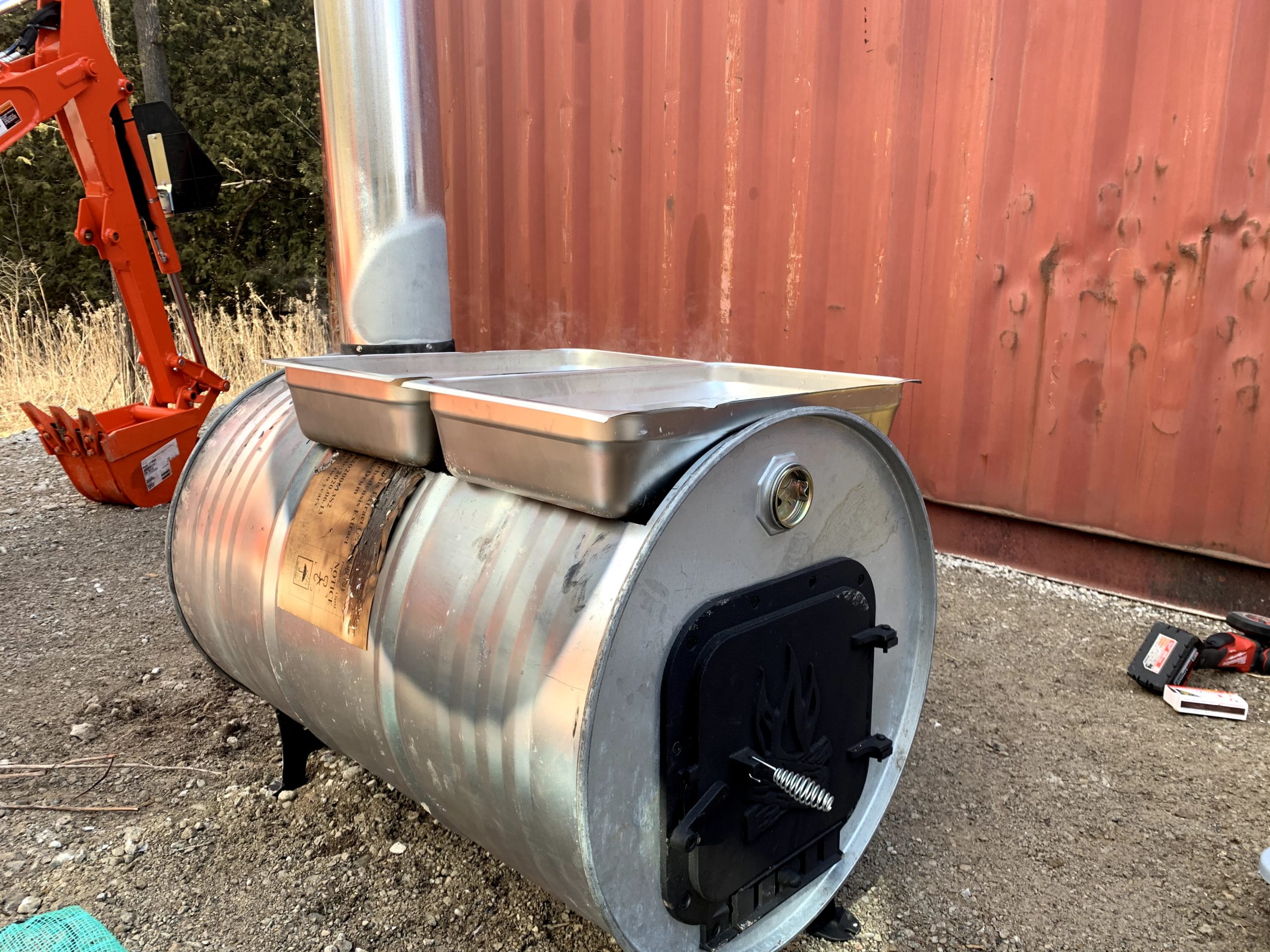
Storing maple syrup properly is just as important as producing it. Once syrup has been filtered and graded, the container becomes part of the quality-control process. The wrong storage vessel can introduce unwanted flavors, create sanitation problems, or make handling large quantities unnecessarily difficult. For producers, processors, and distributors dealing with bulk quantities, choosing appropriate maple syrup drums requires more thought than simply selecting a container that holds the right volume.
The best storage solution depends on several factors, including the syrup’s intended use, storage temperature, handling equipment, container material, and expected storage duration. A small maple operation preparing syrup for seasonal sales may have different requirements from a commercial processor storing product for months before packaging.
Understanding these differences helps prevent avoidable quality problems while making bulk syrup easier to transport, store, and process.
Understanding Maple Syrup Storage Requirements
Maple syrup is relatively stable when properly processed and stored, but that does not mean it can be placed in any available container. The storage environment and container material both influence product quality.
For bulk storage, the container should be food-safe, clean, durable, and compatible with the syrup. It should also protect the contents from contamination and unnecessary exposure to air.
Temperature is another important consideration. Finished maple syrup is commonly stored under conditions appropriate for maintaining quality and preventing spoilage. If syrup is packaged while hot, the container must also be capable of handling the processing temperature without deforming or creating contamination risks.
Container size matters as well. A large drum may be efficient for moving substantial quantities, but repeatedly opening a partially filled container can expose the remaining syrup to air and environmental contaminants. Smaller containers may provide greater flexibility when inventory is divided among different customers or production batches.
How to Choose the Right Storage Drum
Choosing the right drum involves more than comparing capacities. A practical selection process should consider the entire journey from production to final use.
1. Determine the Required Capacity
Start by estimating how much syrup will be stored in each container.
For example, a producer who regularly processes hundreds of gallons may benefit from larger bulk containers, while an operation supplying restaurants or specialty food manufacturers may prefer smaller units that are easier to move and portion.
Avoid automatically choosing the largest available container. A container that is too large for your normal inventory can increase handling difficulty and leave more partially filled space after dispensing.
A good rule is to match container capacity with your typical production batches and distribution schedule.
2. Select a Food-Compatible Material
Material selection is one of the most important decisions.
Food-grade plastic drums can be practical for certain applications because they are relatively lightweight, resistant to corrosion, and easy to handle. However, the exact plastic formulation and certification matter. A container designed for industrial chemicals should not automatically be assumed suitable for food products.
Stainless steel is another option for applications requiring durability and repeated use. It is strong, resistant to corrosion, and widely used in food-processing environments. The higher initial cost can make sense when containers will be cleaned and reused for many production cycles.
Whatever material is selected, verify that it is intended for food contact and suitable for maple syrup storage.
3. Consider the Closure System
A drum’s closure is easy to overlook, but it plays an important role in protecting syrup.
The lid or bung should create a secure seal while still allowing practical access when the syrup needs to be inspected, transferred, or processed. Poorly sealed containers can allow contaminants to enter, particularly when drums are stored in busy production areas.
For operations using pumps or transfer equipment, consider how the container will connect to the system. A compatible closure can make transferring syrup considerably easier and reduce unnecessary handling.
4. Think About Handling and Transportation
A container that works perfectly inside a production facility may be inconvenient when transported.
Consider whether drums will be moved manually, with a pallet jack, or with a forklift. Larger containers should be positioned on stable pallets or other appropriate supports when required. The storage area should also provide enough clearance for safe movement.
For example, a producer may choose a high-capacity drum to reduce the number of containers in storage. That decision makes sense only if the facility has the equipment and space needed to move those drums safely.
5. Plan for Storage Duration
Short-term and long-term storage can have different requirements.
If syrup will be packaged soon after production, the primary priorities may be sanitation, secure closure, and efficient handling. For longer storage, producers should pay closer attention to environmental conditions, container integrity, temperature management, and inventory rotation.
A useful approach is to label every container with relevant batch information and the date it was filled. This creates better traceability and makes inventory management easier.
Common Mistakes When Storing Maple Syrup
One of the most common mistakes is treating all drums as interchangeable. A container may look clean and durable but still be inappropriate for food storage.
Using previously contaminated containers is another serious risk. Containers that previously held chemicals, fuels, or other non-food materials should never be repurposed for maple syrup simply because they appear clean.
Poor sanitation can also create problems. Even a food-grade drum can become unsuitable if it is not properly cleaned, dried, and handled before filling.
Another mistake is ignoring the storage environment. Drums should be protected from excessive heat, direct sunlight, dirt, pests, and other potential sources of contamination.
Finally, producers sometimes overlook inventory rotation. Older syrup can remain forgotten behind newer batches, making it difficult to track storage time and batch information. A simple first-in, first-out system can prevent this problem.
Practical Tips for Better Bulk Syrup Storage
Keep Containers Clean and Dry
Cleaning procedures should be consistent rather than performed only when a container visibly appears dirty. Follow appropriate sanitation practices for the container material and intended food application.
Label Every Drum
Useful labeling can include the production date, batch identification, grade, quantity, and other information needed for traceability. Clear labels reduce confusion when several batches are stored together.
Inspect Before Filling
Check drums for cracks, damaged closures, corrosion, unusual odors, or other signs of deterioration. It is much easier to reject a questionable container before filling it than to deal with a compromised batch afterward.
Maintain Organized Storage
Keep drums in designated areas rather than wherever space happens to be available. Organizing containers by batch or production date makes stock rotation easier and reduces unnecessary movement.
Minimize Unnecessary Opening
Every time a container is opened, there is an opportunity for contamination. Keep closures secure and open containers only when necessary for processing or dispensing.
Match the Drum to Your Workflow
The best container is not necessarily the cheapest or largest option. Consider how syrup moves through your operation. If workers frequently have to reposition heavy drums manually, a smaller container or better handling system may ultimately be more efficient.
For example, a small producer selling directly to several food businesses might benefit from manageable container sizes that correspond closely with customer orders. A large processor, on the other hand, may prioritize high-capacity containers compatible with mechanical transfer systems.
Conclusion
Choosing the right maple syrup storage drum is ultimately a balance between product protection, sanitation, capacity, handling, and cost. Food-compatible materials, secure closures, appropriate capacity, and controlled storage conditions all contribute to maintaining syrup quality after production.
The most reliable approach is to select containers based on your actual workflow rather than choosing solely by size or price. Evaluate how syrup is produced, stored, moved, and eventually packaged or distributed. With proper container selection, labeling, sanitation, and inventory rotation, bulk maple syrup can remain protected while storage and handling become much more efficient.
