Online Doctor Appointment: When It Works and How to Prepare
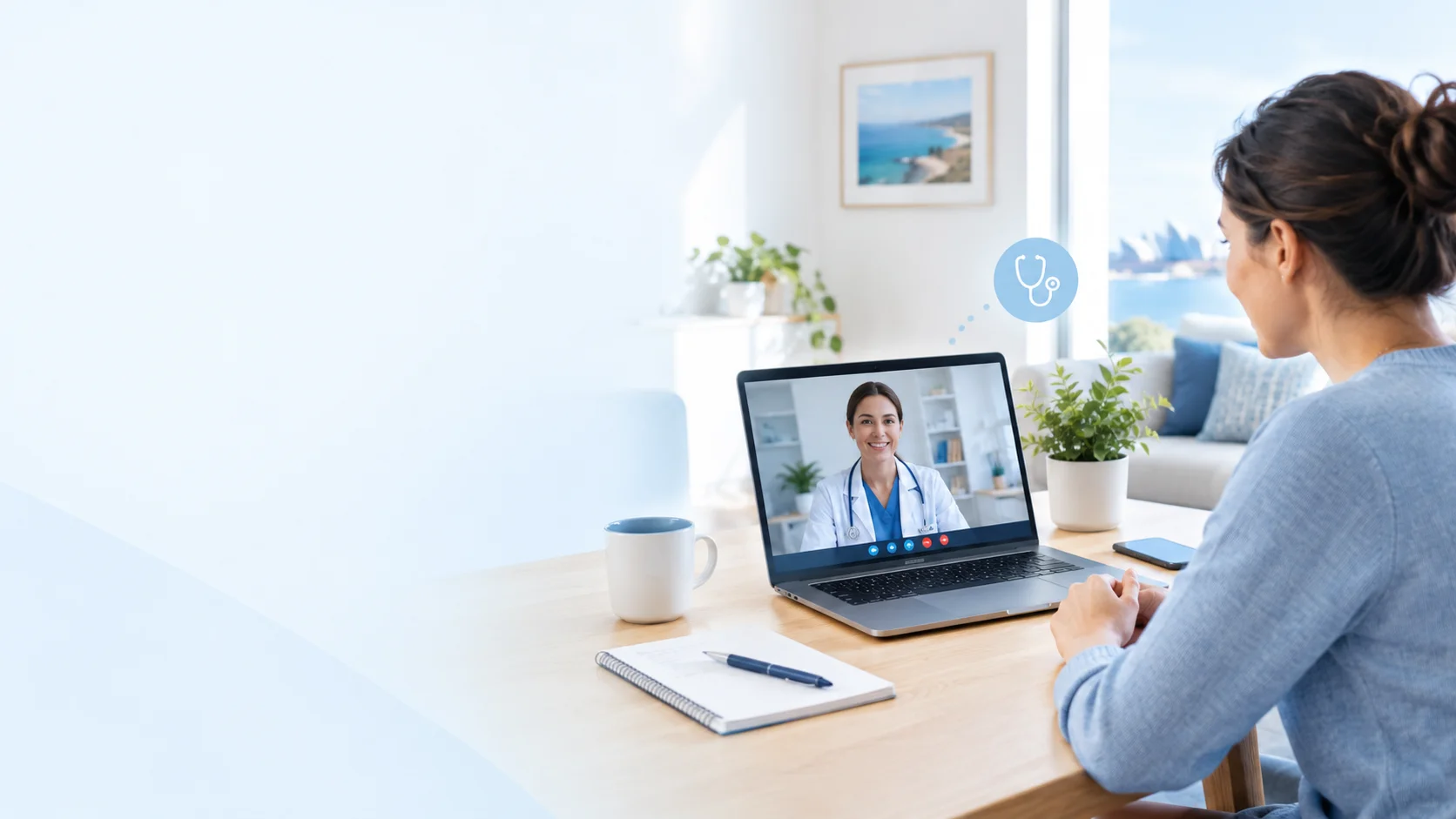
A trip to the clinic can eat half your day. You find parking, wait for your turn, then spend ten minutes talking to the doctor. For many everyday health concerns, that isn’t necessary anymore.
An online doctor appointment lets you speak with a GP by video or phone from wherever you are. It won’t suit every situation, though. Knowing which is which saves you time and helps you get the right care first go.
What an online doctor appointment actually involves
It’s the same kind of conversation you’d have in a clinic, just without the waiting room. You book a time, join the call and talk through your symptoms, medical history and concerns. The GP assesses what you’ve shared and explains the next steps.
Depending on your situation and the GP’s clinical judgement, that may include treatment advice, a prescription, a referral, a medical certificate or a suggestion to see someone in person. These are provided only when they’re clinically appropriate. Telehealth doesn’t mean you walk away with whatever you ask for.
When an online appointment tends to work well
Telehealth is a good fit when the GP can assess your concern through conversation alone. Common examples include:
- Follow-up on a health issue you’re already managing
- Questions about symptoms that aren’t severe or sudden
- A discussion about treatment options or medication
- Getting a referral for tests or specialist care
- A medical certificate for a short illness
It also suits people who live in regional or remote areas, who have trouble travelling, or who simply can’t get to a clinic during opening hours. Some services run around the clock, which helps if you’re unwell at night or on a weekend.
When you should see a doctor in person instead
Some problems need hands-on care, and a video call can’t replace that. Book an in-person appointment if you need:
- A physical examination
- Stitches, wound care or another procedure
- Immediate testing
- Care for a complex condition that needs close monitoring
If your symptoms are severe or getting worse quickly, don’t book an appointment at all. Chest pain, serious difficulty breathing, signs of a stroke or severe bleeding are emergencies. Call 000 straight away.
A good telehealth GP will tell you honestly if your concern isn’t suited to a video or phone consult.
How to prepare so you get more out of the consult
A little preparation makes a short appointment much more useful.
Write down your symptoms. Note when they started, how often they happen and what makes them better or worse. It’s easy to forget details once the call begins.
Gather your information. Have your medication list, recent test results and any relevant records ready. If you’ve seen another doctor about the same issue, mention it.
Check your tech. A phone or laptop with a stable connection is all you need. Test your camera and microphone beforehand, and find a quiet, private spot.
List your questions. If you want to ask about side effects, other options or what to watch for, write them down so nothing gets missed.
Be honest and specific. The GP can only assess what you tell them. Vague answers lead to vague advice.
What to expect after the call
Your GP will explain what they recommend and why. You might be asked to book a follow-up, get a test done or see a clinician in person. If a prescription is appropriate, it can be sent electronically so you can collect it from a pharmacy.
If something changes after your appointment, such as new symptoms or a worsening of existing ones, contact a doctor again rather than waiting it out.
Choosing a service you can trust
Not all telehealth services work the same way. Look for one where:
- The doctors are registered with AHPRA
- You speak to a real GP, not just fill in a form
- The service is open about what it can and can’t help with
- Prescriptions, referrals and certificates are given only when clinically appropriate
If you’d like to see how this works in practice, you can book an online doctor appointment at HelloGP and talk through your concern by secure video or phone.
The bottom line
An online doctor appointment is a practical option for many everyday health needs. It saves travel and waiting time, and it makes care easier to reach if you’re far from a clinic or short on time. Use it for what it does well, prepare a little beforehand and don’t hesitate to see a GP in person when your situation calls for it.
This article is general information only and isn’t a substitute for personal medical advice. In an emergency, call 000.

You may also like

Wisdom Tooth Removal Cost in Houston: With and Without Insurance