Patio Door Repair: Common Problems and When to Call a Professional
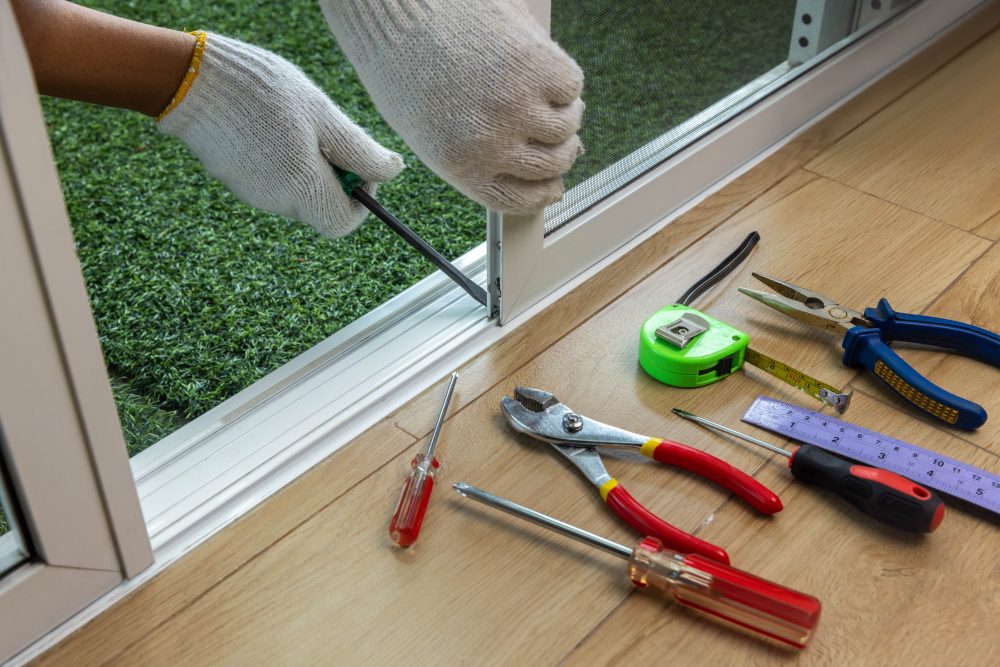
A sliding patio door should open smoothly with one hand, close securely, and create a reliable seal against outdoor weather. When it becomes difficult to operate, sticks halfway, rattles, or lets in drafts, the problem is more than an inconvenience. A damaged door can waste energy, create security concerns, and eventually cause more expensive damage to the frame or glass. Understanding the basics of patio door repair can help homeowners identify minor problems before they become major repairs.
Many patio door issues are surprisingly simple. Dirt packed into the track, worn rollers, loose screws, or a misaligned latch can affect how the entire door operates. However, not every problem is suitable for a DIY fix. Knowing where to draw the line is important, especially when the repair involves heavy glass, structural damage, or components that require specialized tools.
Understanding How a Patio Door Works
Most sliding patio doors operate using rollers attached to the bottom of the movable panel. These rollers sit inside a track and allow the door to glide horizontally. The door also has a frame, weatherstripping, locking mechanism, handle, and often an adjustable roller assembly.
Because several components work together, a problem in one area can create symptoms somewhere else. For example, a door that feels unusually heavy may not have a problem with the panel itself. Dirt or debris in the track can interfere with the rollers, while a worn roller can cause the panel to sag and scrape against the frame.
Before attempting a repair, determine exactly what the door is doing differently from normal. Is it difficult to move? Does it fail to lock? Is air coming through the edges? Does the glass appear damaged? The answer can help narrow down the likely cause.
Common Patio Door Problems and How to Address Them
1. The Door Is Hard to Slide
A patio door that suddenly becomes difficult to open is one of the most common problems homeowners encounter. Start by inspecting the bottom track. Leaves, dust, pet hair, and other debris can accumulate inside the channel and prevent the rollers from moving correctly.
Vacuum the track thoroughly and wipe it with a damp cloth. Check for visible screws or hardware that have come loose. If the door still feels heavy after cleaning, the rollers may be worn or damaged.
Avoid forcing the door open. Excessive pressure can damage the rollers, bend the track, or put unnecessary stress on the glass.
2. Worn or Broken Rollers
Rollers gradually wear out because they carry the weight of the sliding panel every time the door is opened. Older rollers may develop flat spots, cracks, corrosion, or seized bearings.
A worn roller often produces a distinctive combination of symptoms: the door feels heavy, the panel sits unevenly, or the bottom edge rubs against the track.
Some roller assemblies can be adjusted or replaced without replacing the entire door. However, removing a large glass panel can be difficult and potentially dangerous. If the panel must be lifted out to access the rollers, professional assistance is usually the safer option.
3. A Damaged or Bent Track
The track is just as important as the rollers. If the track is bent, deeply scratched, corroded, or worn down, replacing the rollers alone may not solve the problem.
For example, imagine a homeowner replaces both rollers but the door continues to catch at the same point. That could indicate a damaged section of track rather than another roller problem.
Minor surface imperfections may sometimes be addressed, but a severely damaged track may require replacement or more extensive work. Continuing to operate a door over a badly damaged track can accelerate wear on the new rollers.
4. The Door Will Not Lock Properly
A patio door that slides normally but refuses to lock should not be ignored. The issue may be caused by misalignment between the latch and strike plate.
Check whether the door sits evenly inside the frame when closed. If one side appears higher or lower, the rollers may need adjustment. Loose screws around the lock or strike plate can also cause alignment problems.
If the lock itself is broken, replacing the appropriate hardware may be necessary. Until the problem is fixed, homeowners should avoid assuming that a partially engaged latch provides adequate security.
5. Drafts and Damaged Weatherstripping
Feeling cold or hot air around a closed patio door can indicate worn weatherstripping. Over time, seals become compressed, brittle, torn, or detached.
Inspect the edges of the door for visible gaps. You can also look for daylight around the frame when the door is closed. Damaged weatherstripping is generally easier to address than structural problems, but it should be installed carefully so that the replacement seal does not prevent the door from closing correctly.
6. Cracked or Fogged Glass
Glass problems require greater caution. A cracked pane can compromise safety, while fogging between insulated glass panes generally indicates that the sealed glass unit has failed.
Do not attempt to remove or disassemble a large patio door glass panel without appropriate experience and equipment. Large panes are heavy and can cause serious injury if they break or are handled incorrectly.
A Practical Troubleshooting Process
When a patio door starts behaving differently, use a simple process rather than immediately replacing parts.
Step 1: Inspect the track.
Look for dirt, stones, corrosion, dents, and other obstructions.
Step 2: Clean the moving surfaces.
Remove debris with a vacuum and cloth. Avoid applying excessive lubricant that can attract more dirt.
Step 3: Check alignment.
Close the door and examine the gaps around the frame. Uneven gaps can indicate roller or frame problems.
Step 4: Test the lock.
Make sure the latch engages fully without forcing the handle.
Step 5: Examine the seals.
Look for torn or compressed weatherstripping and visible gaps.
Step 6: Decide whether the problem is within your skill level.
If the repair requires removing heavy glass, replacing structural components, or correcting significant frame damage, professional help is generally appropriate.
Common Mistakes Homeowners Make
One of the biggest mistakes is using excessive force. A sliding door is designed to move with relatively little effort. If it requires two hands or significant pushing, forcing it can turn a minor roller or track issue into a larger repair.
Another common mistake is spraying large amounts of lubricant into a dirty track. While lubrication can be useful for certain components, it does not replace cleaning. A greasy track can actually collect more dust and debris.
Homeowners also sometimes replace rollers without checking alignment or track condition. New components cannot compensate for a severely damaged track.
Finally, painting, caulking, or modifying the frame without understanding how the door operates can create additional problems. The sliding panel needs precise clearance to move correctly.
When to Call a Professional
Professional assistance is recommended when the door has cracked glass, severe frame damage, persistent alignment problems, or rollers that require removal of a heavy glass panel. It is also worth calling a professional if you have tried basic cleaning and adjustment but the problem keeps returning.
A good example is a door that works normally immediately after adjustment but becomes difficult again within a few days. That pattern suggests an underlying issue rather than a simple alignment problem.
Professional evaluation can also make sense when water enters around the frame. Repeated moisture intrusion may point to damaged seals, drainage problems, or installation issues that are not obvious from the interior.
Practical Tips to Extend Door Life
Regular maintenance can prevent many problems. Vacuum the track periodically, especially during seasons when leaves and outdoor debris accumulate. Check the door’s movement every few months rather than waiting until it becomes extremely difficult to operate.
Keep the track free of objects and avoid hanging excessive weight from the door handle. Inspect weatherstripping annually and pay attention to small changes in how the door feels when opening or closing.
If you live in a coastal or particularly humid environment, inspect metal components for corrosion more frequently. Early detection is much easier to address than extensive rust damage.
Conclusion
Patio doors usually give plenty of warning before a small problem becomes a major repair. Difficulty sliding, uneven movement, faulty locks, damaged weatherstripping, and unusual noises are all signals worth investigating. Start with simple maintenance such as cleaning the track and checking alignment, but do not take unnecessary risks with heavy glass or structural repairs. Knowing when a problem is suitable for basic maintenance—and when it requires professional attention—can improve safety, extend the door’s service life, and prevent avoidable repair costs.

You may also like

Howlin Knitwear Ideas for More Natural and Relaxed Layering

A Guide to Visas That Require a Business Plan for Immigration