Private Homes for Filming in LA Production Tips
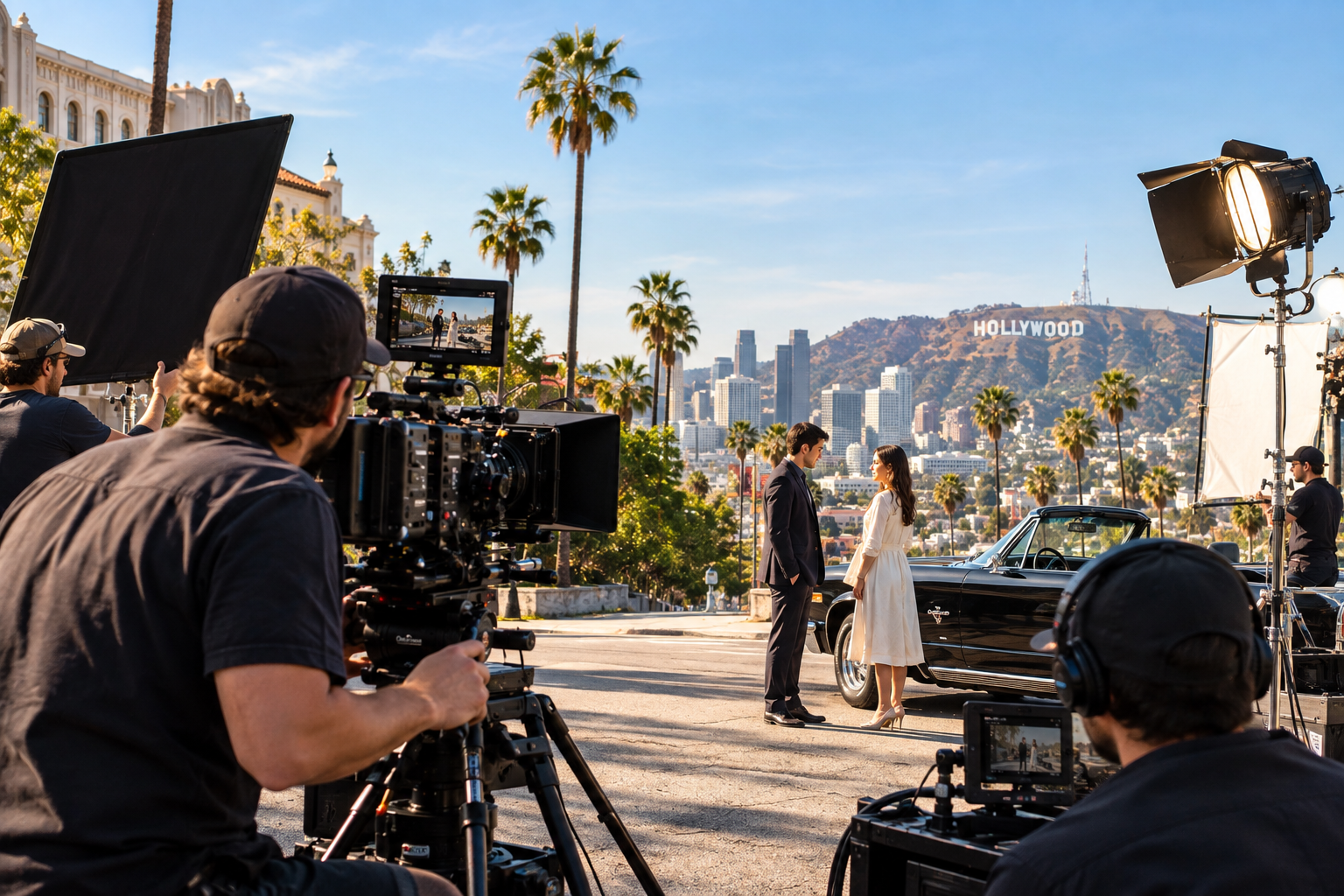
Finding Private Homes for Filming in LA can give filmmakers a realistic setting for stories that need a residential atmosphere. Homes can work well for films, commercials, music videos, interviews, short films, and photography. They can provide natural rooms, outdoor areas, kitchens, bedrooms, living spaces, and other details that are difficult to recreate on a basic set. Choosing the right property requires more than finding a house that looks attractive. Producers should also consider access, parking, noise, space, filming rules, and the needs of the crew.
How to Choose Private Homes for Filming in LA
The first step is to understand the scenes that will be filmed inside the property. A production may need a large living room for several actors, a modern kitchen for a commercial, or a simple bedroom for a dramatic scene. Making a list of required spaces before scouting can make the search faster.
The visual style of the home should also match the project. A modern property may suit a luxury advertisement, while an older home may work better for a period story or family drama. The best choice is usually a property that already has many of the features needed by the production.
Producers searching for affordable LA filming locations for productions should also consider homes that require minimal changes. A property with suitable furniture, lighting conditions, and room layouts may reduce the need for additional set dressing.
Consider the Story and Home Layout
The layout of a property can affect how easily scenes can be filmed. Open rooms provide more room for cameras and crew, while narrow hallways can create challenges. Before booking, consider where cameras, lights, sound equipment, and crew members will be positioned.
A home with several connected rooms can provide more visual options. For example, one property might offer a kitchen, dining area, living room, hallway, bedroom, and backyard. This allows a production to create several scenes without moving to another location.
Windows are also important. Natural light can change throughout the day, so filmmakers should understand how sunlight enters each room. If scenes need consistent lighting, the production may need additional equipment or carefully planned shooting times.
Check Access Before the Shoot
Access is one of the most important parts of residential filming. Producers should confirm when the crew can arrive, when equipment can be unloaded, and when the property must be cleared.
Some homeowners may allow filming only during specific hours. Others may have restrictions on overnight work, large crews, vehicles, or equipment. These conditions should be discussed before the booking is confirmed.
Parking should also be checked. A small home may look perfect on camera but have limited space for production vehicles. If crew members cannot park nearby, transportation may become more complicated and expensive.
Understand Permission and Property Rules
Filming on private property requires clear permission from the owner or authorized manager. A written agreement can help both sides understand what is allowed during production.
The agreement should cover the rental period, access times, areas that can be used, crew limits, equipment, cleaning, damage responsibility, and additional hours. Producers should also ask whether furniture can be moved or whether walls and other surfaces can be modified.
When looking for private film locations in Los Angeles, it is important to communicate openly with property owners. A homeowner may have personal items that cannot be moved or rooms that are not available for filming. Confirming these details early helps avoid problems on the production day.
Prepare the Home for a Professional Shoot
A residential property may need some preparation before cameras begin rolling. Remove or protect fragile items and identify anything that could be damaged by equipment or crew movement.
Furniture can sometimes be rearranged to improve camera angles. However, changes should always be approved by the property owner. Take photographs before moving anything so the original arrangement can be restored accurately.
Protective materials may also be useful when moving heavy equipment across floors. Productions should plan how cables will be placed and how crew members will move safely through the property.
Think About Sound Quality
Residential locations can have sound challenges that are difficult to see during a property visit. Traffic, neighbors, construction, pets, air conditioning systems, and nearby businesses can affect audio.
Visit the property at the same time of day when filming is expected. This can help identify regular noise patterns. A quiet home during a weekend visit may sound very different on a weekday morning.
If a production depends heavily on dialogue, sound should be treated as an important part of location selection. A visually attractive home may not be suitable if unwanted noise makes recording difficult.
Look at Outdoor Areas Around the Home
The exterior of a home can provide additional scenes and establishing shots. Driveways, gardens, patios, balconies, entrances, and yards can add visual variety.
Outdoor areas should be checked for privacy and access. Producers should know whether neighboring properties will appear in the frame and whether additional permission is needed.
For projects that need a broader range of residential and exterior settings, filmmakers can also explore outdoor filming locations Burbank as part of a wider location search. Expanding the search area may provide useful alternatives when a particular property does not meet production requirements.
Consider Lighting and Power Needs
Lighting requirements can vary greatly between productions. A small interview may need only basic equipment, while a commercial or film scene may require multiple lights, stands, monitors, and other equipment.
Before booking a home, check the available power supply and determine whether the property’s electrical system can support the planned setup. If additional power is needed, ask whether generators are permitted.
Natural light should also be considered. Large windows can be helpful, but direct sunlight may change throughout the day. Curtains and blinds can provide some control, while professional lighting can create more consistent results.
Protect the Property During Filming
Productions should treat private homes with care. Floors, walls, furniture, doors, appliances, and decorations can be vulnerable when a large crew is working inside.
Use suitable protection where necessary and keep equipment organized. Crew members should know which areas are available and which spaces are off limits.
A designated person can help monitor the property during filming. This makes it easier to address problems quickly and ensures the agreed areas are respected.
Cleaning should also be part of the production plan. The home should be returned to its original condition after filming unless different arrangements were made with the owner.
Plan for Crew Movement
A home that works for a small crew may not work for a large production. Before booking, estimate how many people will be on site and where they will wait between takes.
Large crews may need separate areas for makeup, wardrobe, equipment, meals, and production meetings. If the home cannot accommodate these needs, nearby support spaces may be required.
A smaller crew can often work more efficiently in residential locations. Limiting unnecessary equipment and keeping the team organized can reduce pressure on the property and make filming smoother.
Compare Homes Before Making a Decision
Do not choose a home based only on photographs. Compare several properties and consider how each one fits the script and production plan.
Create a simple comparison covering rental cost, available rooms, access, parking, sound, lighting, outdoor areas, restrictions, and travel time. This can make the final choice easier.
A property with a slightly higher rental fee may offer better overall value if it has more usable rooms, better parking, fewer restrictions, and easier crew access.
Frequently Asked Questions
Can homeowners allow filming in their private homes?
Yes. Homeowners can allow productions to film on their property when the required permissions and agreements are in place.
What should producers ask homeowners before booking?
Producers should ask about filming hours, crew size, equipment, parking, furniture movement, noise, insurance, cleaning, and any restricted areas.
Are private homes suitable for large film crews?
Some homes can accommodate large crews, but many residential properties work better for smaller teams. Space and access should be checked before booking.
How can filmmakers protect a home during filming?
Use floor and surface protection where needed, organize equipment carefully, limit access to agreed areas, and restore the property after the shoot.
Should filmmakers inspect a home before filming?
Yes. An in-person inspection can reveal issues involving sound, parking, lighting, space, power, and access that may not be obvious in photographs.
Final Thoughts
A private residential property can give a production a natural and believable setting while offering many options for different scenes. The key is to balance visual appeal with practical requirements such as access, sound, parking, power, and property protection. Careful planning helps filmmakers avoid unexpected problems and makes the experience easier for everyone involved. LA Filming Locations can help producers explore suitable spaces when planning residential and other production projects.

You may also like