
Roof Cleaning: When and Why Your Roof Needs Professional Care
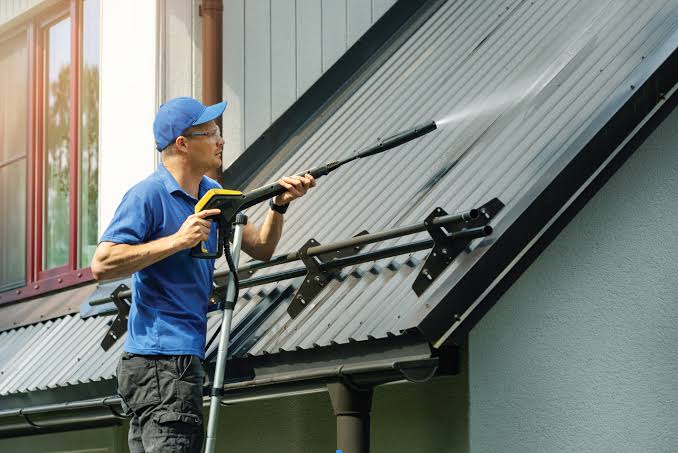
A roof is one of the most important protective systems in a home, yet it is often overlooked until there is an obvious problem. Dark streaks, moss, algae, fallen leaves, and accumulated debris may seem like minor cosmetic issues, but they can sometimes indicate conditions that shorten the life of roofing materials. Regular roof cleaning can help homeowners identify and address these problems before they become expensive repairs.
The challenge is knowing when cleaning is actually necessary and when a roof needs more extensive professional attention. Cleaning too aggressively can damage shingles, while ignoring organic growth or trapped moisture can contribute to deterioration. Understanding the warning signs, appropriate cleaning methods, and right maintenance schedule makes it easier to protect the roof without creating unnecessary risks.
Why Roof Cleaning Matters
Roofs naturally collect dirt and debris over time. Wind can carry leaves and branches onto the surface, while moisture creates favorable conditions for algae, moss, and lichen. In shaded areas, these organisms may spread particularly quickly because the roof stays damp for longer periods.
Algae commonly appear as dark or black streaks on asphalt shingles. Although these streaks do not always mean the roof is failing, they can make an otherwise well-maintained home look neglected. Moss presents a greater concern because it can grow beneath or between shingles, potentially lifting their edges and allowing water to penetrate vulnerable areas.
Debris can create another problem. Leaves and organic material that remain wet against roofing materials may retain moisture and accelerate deterioration. Gutters can also become clogged, causing water to back up instead of draining properly.
Professional cleaning is therefore about more than improving curb appeal. Done correctly, it can help maintain drainage, identify developing issues, and preserve roofing materials.
When Does a Roof Need Professional Cleaning?
Not every roof needs to be cleaned on a fixed annual schedule. The appropriate timing depends on the roof’s material, surrounding environment, climate, slope, and exposure to trees.
Watch for Visible Algae, Moss, or Lichen
Dark streaks running down shingles are one of the easiest signs to recognize. Small amounts of algae may initially be cosmetic, but widespread growth deserves closer attention.
Moss should not be ignored, particularly when it appears thick or concentrated around shingle edges. Lichen can also attach firmly to roofing materials and may be difficult to remove without the proper technique.
Check Areas Beneath Trees
Homes surrounded by mature trees generally require more frequent roof maintenance. Branches can deposit leaves, needles, and other debris, while shade reduces drying after rainfall.
For example, two neighboring houses may have identical asphalt shingles but require very different maintenance schedules. A roof exposed to direct sunlight with few nearby trees may remain relatively clean, while a shaded roof beneath large trees may develop moss within a much shorter period.
Consider the Roof’s Age
Older roofing materials deserve greater caution. If a roof is already approaching the end of its expected service life, aggressive cleaning may do more harm than good.
A professional can determine whether cleaning is appropriate or whether the visible growth is simply one symptom of broader material deterioration.
A Practical Roof Cleaning Strategy
A sensible approach begins with inspection rather than immediately applying cleaning chemicals or equipment.
Step 1: Inspect the Roof From the Ground
Look for dark streaks, moss, lichen, excessive debris, missing shingles, lifted edges, sagging areas, and damaged flashing. Binoculars can help identify problems without requiring anyone to climb onto the roof.
If you notice structural damage, cleaning should not be the first priority. The underlying issue should be evaluated.
Step 2: Identify the Roofing Material
Different roofing materials have different maintenance requirements. Asphalt shingles, metal roofing, tile, slate, and other materials should not automatically be treated using the same cleaning method.
The wrong technique can remove protective granules, crack materials, damage coatings, or create leaks.
Step 3: Choose the Appropriate Cleaning Method
Roof professionals commonly favor methods that control moisture and pressure rather than relying on aggressive power washing.
High-pressure washing can force water underneath shingles and remove granules from asphalt roofing. A cleaning solution and controlled application may be more appropriate for certain types of algae and organic growth.
The correct method depends on the roofing manufacturer’s recommendations and the condition of the roof.
Step 4: Address the Surrounding Drainage
Cleaning the roof without checking gutters and downspouts leaves part of the problem unresolved. Removed debris needs somewhere to go.
After roof maintenance, gutters should be checked for blockages, accumulated organic material, and poor drainage. Downspouts should direct water away from the foundation.
Step 5: Monitor the Roof After Cleaning
A clean roof should not be treated as a permanent solution. Check it periodically for returning algae, moss, debris accumulation, or new damage.
If organic growth returns unusually quickly, investigate the underlying conditions. Persistent shade, poor drainage, or excessive moisture may be contributing to the problem.
Common Roof Cleaning Mistakes
One of the biggest mistakes homeowners make is treating every roof like a driveway. A pressure washer may quickly remove visible dirt from hard surfaces, but roofing materials can be considerably more vulnerable.
Another mistake is climbing onto a wet or steep roof without appropriate safety equipment. Falls from roofs can cause severe injuries, and homeowners should not take unnecessary risks simply to perform routine maintenance.
Using household cleaning products without understanding their effects can also cause problems. Some chemicals may damage roofing materials, surrounding landscaping, painted surfaces, or metal components.
Finally, homeowners sometimes clean only the visible portion of the roof while ignoring gutters, valleys, flashing, and areas where debris accumulates. These locations deserve attention because water naturally concentrates there.
Practical Tips From a Maintenance Perspective
Schedule a roof inspection when you notice sudden changes rather than waiting for a leak. Water damage may begin beneath roofing materials before it becomes visible inside the house.
Trim branches that repeatedly contact or heavily shade the roof, while maintaining enough distance to avoid damaging the tree. Keep gutters clear so rainfall can move away from the roof efficiently.
It is also useful to photograph the roof after professional maintenance. Comparing future photographs can make it easier to identify recurring growth or areas that are deteriorating.
Most importantly, do not confuse a clean appearance with a healthy roof. A roof can look attractive while still having damaged flashing, deteriorated sealants, cracked tiles, or aging shingles. Cleaning should be part of a broader maintenance strategy rather than a substitute for inspection.
Conclusion
Roof cleaning can play an important role in protecting a home’s exterior, but timing and technique matter. Algae, moss, lichen, debris, excessive shade, and clogged drainage can all signal that a roof needs attention. Professional care becomes especially valuable when the roof is steep, difficult to access, heavily affected by organic growth, or made from materials requiring specialized treatment.
The best approach is preventative: inspect the roof regularly, address moisture and debris problems early, use cleaning methods appropriate for the roofing material, and have questionable conditions evaluated before they become costly repairs. A clean roof looks better, but more importantly, proper maintenance can help preserve the roof’s performance and service life.
