Security Camera Company in Abu Dhabi: Red Flags, Fair Questions and How to Compare Proposals
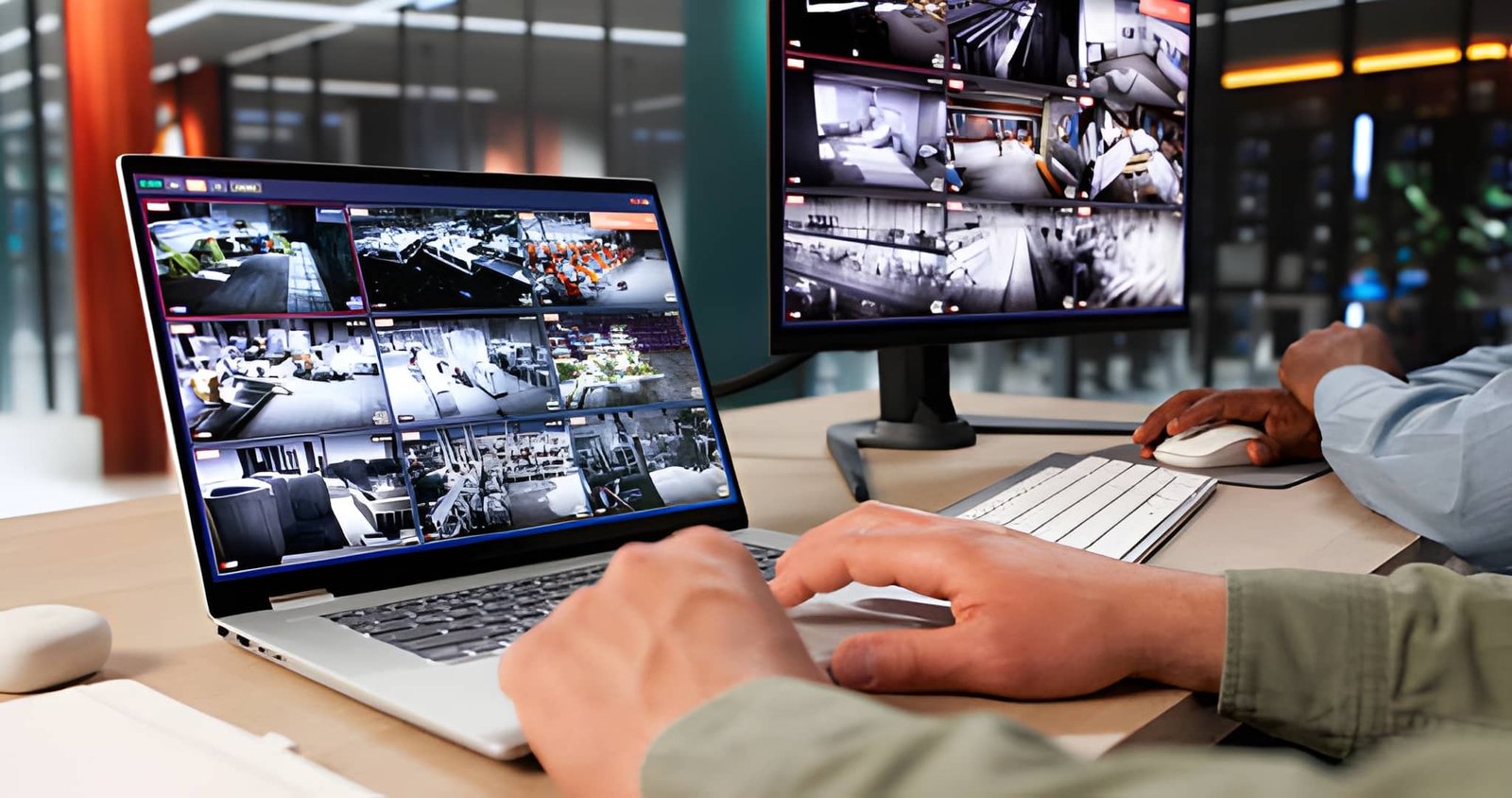
Choosing a security camera company in Abu Dhabi is hard to do by comparing websites, because most promise the same things: high resolution, remote viewing, professional installation. The differences show up in how a company handles approvals, design, documentation and support.
Start with the Abu Dhabi Rulebook
Abu Dhabi has its own regulator for monitoring work. The Monitoring and Control Centre (MCC) was set up under Abu Dhabi Law No. 5 of 2011, and it issues permits, non-objection certificates and accreditation for monitoring works, as well as setting technical specifications for monitoring devices. A legal commentary also notes that operating monitoring devices without MCC approval is an offence, with penalties including possible imprisonment and fines.
Whether your property needs a permit depends on its type and use, and rules can be updated. So the first test of any company is simple: do they raise approvals before you do? A provider who talks only about cameras and price, and never about permits, has told you something important.
Seven Red Flags
- A fixed quotation without a visit. Pricing “eight cameras for AED X” without seeing the property means the price is a catalogue figure. The real design, cable routes and mounting conditions are unknown.
- No answer on licensing. Abu Dhabi Police, working with the MCC, advise residents to use licensed companies for installing and maintaining surveillance systems. If a company is vague about its authorisation, verify it directly with the authority rather than accepting a certificate photo.
- Resolution used as the only selling point. Megapixels do not guarantee identifiable footage. What matters is pixels on the subject. Industry practice under IEC 62676-4 uses roughly 250 pixels per metre to identify an unknown person and 125 to recognise a known one. A 4MP camera therefore identifies faces across a scene about 10 metres wide. A company that cannot explain this for each camera position is guessing.
- No storage calculation. A 4MP H.265 camera recording continuously at around 2 Mbps produces about 21.6 GB per day, so eight cameras for 30 days need roughly 5.2 TB before headroom. Actual figures vary with scene and settings. If the quote simply says “2TB hard disk,” ask how that figure was reached.
- Heat ignored. Summers in Abu Dhabi stress outdoor equipment. Ask for the ingress rating (IP66 or higher for exposed positions), the stated operating temperature range and the cable type used outdoors.
- Remote access through open ports. Opening router ports to reach a recorder is a common shortcut and a security weakness. Ask how remote access is secured, whether default passwords are changed and how firmware updates are handled.
- No handover paperwork. If you will not receive a device list, network details, administrator credentials and a configuration record, you are dependent on one company forever.
Fair Questions That Reveal Real Capability
- Can I see a completed installation in Abu Dhabi that has run for over a year?
- Which approvals apply to my property, and who obtains them?
- What will each camera be able to identify, and how did you work that out?
- How long will footage be kept, and what is the storage calculation?
- What happens during a power cut or internet outage?
- Who has access to the recordings, and can staff delete footage?
- What is your response time if a camera or recorder fails?
- What does the warranty cover, and what does it exclude?
Good companies answer these without defensiveness. Weak ones deflect to price.
Residential and Commercial Differences
Homes and villas. The same police guidance recommends cameras at entrances and exits, parking areas, storage spaces, children’s play areas and external perimeters, while cautioning against placing cameras where they could intrude on neighbouring homes or private areas. Footage should also be stored securely and not shared on social media.
Shops, offices and warehouses. Evidence quality at doors, cash points and loading bays matters most, along with longer retention and controlled access to recordings. Sector rules can be specific: for example, the Central Bank’s published standard for certain licensed premises requires continuous CCTV coverage of entrances, exits, service areas and vault areas, with at least 90 days of recordings available. Check what applies to your own sector.
How to Compare Proposals Fairly
Ask each company to price against the same written brief, then build a simple comparison across these lines:
| Line item | What to check |
| Survey and design | Written, with camera-by-camera purpose |
| Cameras | Ingress rating, temperature range, low-light performance |
| Recorder and storage | Surveillance-rated drives, retention in days |
| Cabling | Copper (not copper-clad aluminium), UV-resistant outdoors |
| Power | UPS for recorder and switch |
| Network security | Separate segment, no open ports, unique credentials |
| Approvals | Who applies, who pays |
| Commissioning | Tested night footage, playback, remote access |
| Support | Response time, maintenance, firmware updates |
When the cheapest quote is missing several rows, its price is not lower. It simply covers less.
Original Analysis: Price Compares Boxes, Value Compares Outcomes
Most buyers compare what arrives on site: cameras, recorder, cable. The outcome they actually want is different: usable footage, on the right day, retrievable by someone who knows how. That outcome depends on rows in the table above that never appear on a product page.
A practical test is to ask each company to describe the first incident you might need footage for, such as a car damaged in your driveway at night. The better companies will walk through camera position, lighting, storage retention and how you would export the clip. This one conversation separates teams that have designed for outcomes from those that sell hardware.
Planning Through the End of 2027
A system installed now should still be supportable at the end of 2027. Look for modern compression, actively updated firmware, spare network ports and storage headroom, and a supplier willing to commit to maintenance and routine footage checks. Smart Living Technology approaches security camera projects in Abu Dhabi on this basis: survey first, evidence-led coverage, calculated storage, secured networks, clear approval responsibilities and support after handover.
Frequently Asked Questions
How can I verify that a security camera company in Abu Dhabi is licensed?
Ask for its authorisation details and confirm them directly with the relevant authority, such as the MCC for monitoring work, instead of relying on a copy of a certificate. Police guidance also recommends using licensed companies for installation and maintenance.
What is the biggest mistake when hiring a CCTV company?
Comparing quotations on camera count and resolution alone. Missing items such as surveys, storage calculations, network security, commissioning and support often explain why one quote looks cheaper than another.
Why should a company visit before giving a final quote?
A visit reveals glare, lighting, heat exposure, cable routes and mounting conditions, all of which affect which cameras you need and where they go. A quote without a visit is an estimate, not a design.
How much does a CCTV installation cost in Abu Dhabi?
It varies widely with camera count, property type, cabling and storage needs. The only dependable figure is an itemised quotation after a site survey that lists equipment, installation, approvals, commissioning and support.
What documents should I receive after installation?
You should receive a device and camera list, network and IP details, administrator credentials you control, a configuration backup, storage and retention settings and warranty and support terms.

You may also like

Explore Devices, Flavours and Accessories

What Ecommerce Marketing Trends Shape Online Sales