
Septic Tank Cleaning: How Often Should It Be Done?
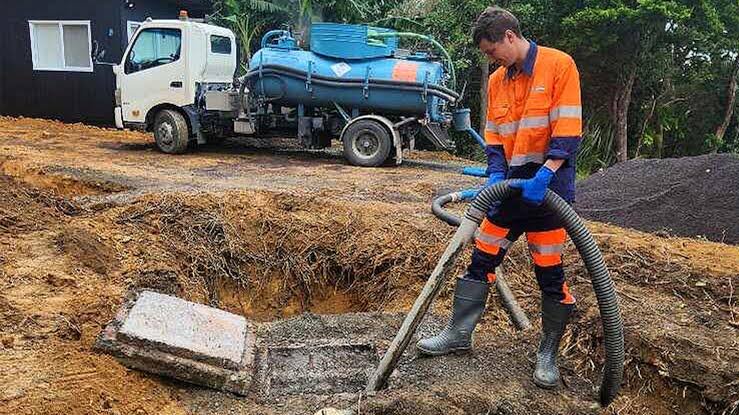
A septic system can work quietly for years, which makes it easy for homeowners to forget that the tank needs regular maintenance. Unlike a municipal sewer connection, a septic system relies on a tank to collect wastewater and separate solids, liquids, and floating materials. Over time, sludge and scum accumulate, reducing the tank’s usable capacity and potentially causing backups.
The right maintenance schedule depends on several factors, including household size, tank capacity, wastewater volume, and the amount of solids entering the system. For many homes, professional septic tank cleaning is needed about every three to five years, but that range should not be treated as a universal rule. A smaller tank serving a large family may need attention much sooner.
Understanding how septic tanks fill up and recognizing early warning signs can help homeowners avoid expensive repairs, unpleasant odors, and damage to the drainfield.
How Often Should a Septic Tank Be Cleaned?
For a typical residential property, septic tanks are commonly pumped every three to five years. However, the actual interval can vary significantly.
A household of two people with a large tank and conservative water use may go longer between pump-outs. In contrast, a household of five or six people using a relatively small tank may need pumping every two years or even more frequently.
Several factors influence the schedule:
- Number of occupants: More people generally means more wastewater and solids.
- Tank size: Larger tanks have greater capacity for accumulated sludge.
- Water usage: High water consumption increases the amount of wastewater entering the system.
- Garbage disposal use: Food particles can add significant solids to the tank.
- Waste characteristics: Excessive grease, non-biodegradable materials, and certain household products can interfere with normal septic operation.
- Age and condition of the system: Older systems may require closer monitoring.
- Drainfield condition: A struggling drainfield can make the entire system more sensitive to excessive wastewater.
Instead of relying solely on the calendar, homeowners should have the tank inspected periodically and track how quickly sludge accumulates.
A Practical Step-by-Step Septic Maintenance Strategy
Regular maintenance does not have to be complicated. A simple routine can greatly reduce the risk of major septic problems.
1. Find Out Your Tank Size
If you do not know your septic tank’s capacity, check your installation records or ask a septic professional. Tank size matters because it determines how much wastewater and solid material the system can handle before pumping becomes necessary.
For example, a 1,000-gallon tank serving six people will generally fill with solids faster than a 1,500-gallon tank serving the same household.
2. Record the Last Pumping Date
Keep a simple maintenance record showing when the tank was last pumped and inspected. If you recently purchased a home, try to obtain previous septic records from the seller, local authority, or service provider.
Without a record, it is difficult to determine whether the tank is overdue.
3. Schedule an Inspection
A professional inspection can reveal the amount of sludge and scum inside the tank and identify potential problems before they become emergencies.
The inspection may also include checking the tank’s structural condition, inlet and outlet components, baffles, and surrounding area.
4. Pump the Tank When Necessary
Pumping removes accumulated solids that biological processes cannot eliminate completely. Waiting until wastewater backs up into the house is not a good maintenance strategy.
If inspection shows that sludge has reached a significant portion of the tank’s working volume, pumping should be scheduled rather than postponed.
5. Monitor the System Between Services
Pay attention to changes in toilets, drains, odors, and the area around the drainfield. Early symptoms are often easier and cheaper to address than a complete system failure.
Signs Your Septic Tank May Need Cleaning
A septic system does not always provide a convenient warning that it is approaching capacity. However, several symptoms deserve attention.
Slow Drains
If multiple drains throughout the house become slow at approximately the same time, the septic system could be involved. A single slow sink is more likely to have a localized plumbing blockage.
Sewage Odors
Persistent sewage smells around the tank, drainfield, or inside the home should not be ignored. Odors can indicate excessive buildup, plumbing problems, or an issue with the system’s ventilation or treatment process.
Standing Water
Wet or unusually green areas around the drainfield can indicate that wastewater is not being absorbed properly. Standing sewage is an especially serious warning sign because it can create sanitation hazards.
Gurgling Toilets or Drains
Unusual gurgling sounds may occur when wastewater is struggling to move through the plumbing or septic system.
Sewage Backup
A backup inside the home is one of the clearest indications of a serious problem. If wastewater is coming up through toilets, showers, or floor drains, professional assistance should be sought promptly.
Common Septic Tank Cleaning Mistakes
One of the biggest mistakes homeowners make is waiting for a problem before scheduling maintenance. Septic systems are much easier to manage when they are serviced proactively.
Another mistake is assuming that additives eliminate the need for pumping. Many products claim to improve septic performance, but they cannot replace the physical removal of accumulated sludge and scum.
Homeowners should also avoid flushing materials that do not belong in a septic system. Paper towels, wipes labeled as flushable, feminine hygiene products, diapers, dental floss, and similar materials can contribute to blockages or excessive solids.
Pouring cooking grease and large quantities of fats or oils down household drains is another poor practice. These materials can accumulate and interfere with wastewater treatment and plumbing.
Practical Tips for Extending Septic System Life
Good daily habits can reduce unnecessary stress on a septic system.
Spread out laundry loads. Running several washing machines consecutively can send a large volume of water into the system at once. Spreading laundry throughout the week helps maintain a more manageable flow.
Fix leaking plumbing. A constantly running toilet can send hundreds of gallons of additional water into a septic system over time.
Be careful with garbage disposals. If a disposal is used frequently, more organic solids enter the septic tank. Homes with septic systems should use disposals conservatively and follow the system manufacturer’s recommendations.
Protect the drainfield. Avoid driving vehicles or parking heavy equipment over the drainfield. Do not build structures on top of it, and avoid planting trees with aggressive root systems nearby.
Use water efficiently. Low-flow fixtures, efficient appliances, and prompt plumbing repairs can reduce the amount of wastewater entering the system.
Know where the tank is located. Marking the tank location makes inspections and pumping easier. It also prevents accidental damage during landscaping or construction work.
A useful example is a four-person household that discovers its 1,000-gallon tank requires pumping roughly every three years. Rather than automatically waiting another three years after each service, the homeowners can have the tank checked periodically and adjust the schedule based on actual sludge accumulation. That approach creates a maintenance plan based on the property’s real usage rather than an arbitrary date.
Conclusion
Septic tank cleaning is an important part of maintaining a healthy and functional septic system. While many residential systems require pumping approximately every three to five years, household size, tank capacity, water consumption, and system condition can make the appropriate interval shorter or longer.
The best approach is proactive: know your tank size, keep maintenance records, monitor warning signs, conserve water, and arrange professional inspections before problems become emergencies. Regular maintenance costs far less than dealing with sewage backups, drainfield damage, or premature septic system replacement.
