Siding Repair: Common Problems and When to Call a Professional
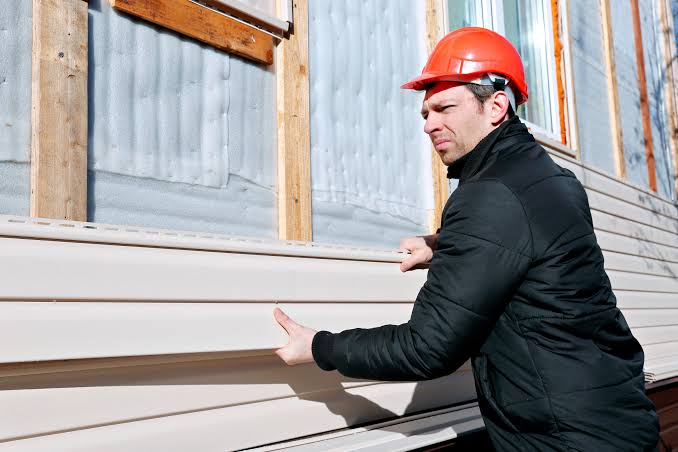
Siding protects a home from rain, wind, moisture, pests, and everyday exposure to the elements. When it is damaged, even a small issue can eventually affect the materials underneath. Knowing when siding repair is enough to solve a problem—and when professional help is necessary—can prevent minor exterior damage from becoming an expensive structural issue.
Not every siding problem requires immediate replacement. Cracked panels, loose sections, faded surfaces, and small holes can often be repaired when caught early. The key is identifying the type and extent of damage, understanding what caused it, and knowing when a repair is beyond the scope of a typical homeowner.
Understanding Common Siding Problems
Siding comes in several materials, including vinyl, fiber cement, wood, aluminum, and engineered products. Each responds differently to weather, impact, moisture, and age. However, many warning signs are similar.
Cracks and Splits
Cracks can develop from impact, temperature changes, improper installation, or general aging. Vinyl siding, for example, can become brittle in cold weather and crack after being struck by a branch or other object.
A small isolated crack may be repairable, but multiple cracks can indicate that the material is deteriorating. If the siding repeatedly cracks after repairs, replacing the affected sections may be more practical.
Loose or Missing Panels
Strong winds can loosen siding panels or pull sections away from their fastening points. Missing pieces should not be ignored because exposed areas can allow water to reach the wall assembly.
A loose panel may sometimes be re-secured if the siding and fastening system are still in good condition. However, damaged locking edges or widespread separation usually require more extensive work.
Water Damage and Rot
Water infiltration is one of the most serious siding-related problems. Wood siding is particularly vulnerable to rot when moisture remains trapped behind boards or around poorly sealed joints.
Soft, discolored, swollen, or crumbling siding deserves closer inspection. If moisture has reached sheathing, insulation, framing, or other underlying components, repairing only the visible siding will not address the real problem.
Warping and Buckling
Warped siding can result from excessive heat, moisture, installation problems, or inadequate expansion space. Vinyl siding needs room to expand and contract with temperature changes. If it is installed too tightly, panels may buckle when temperatures rise.
Warping can also signal moisture problems behind the siding. Before replacing a distorted section, determine why it became damaged in the first place.
Fading and Discoloration
Some fading is simply the result of years of ultraviolet exposure. However, unusual stains can indicate algae, mildew, rust, water runoff, or another underlying issue.
Cleaning may solve surface discoloration, but persistent stains should be investigated rather than repeatedly covered with paint or other products.
A Step-by-Step Approach to Siding Damage
Before deciding whether to repair or replace siding, use a systematic inspection process.
Step 1: Inspect the Entire Exterior
Do not focus only on the damaged spot. Walk around the property and look for cracks, gaps, loose panels, staining, holes, warped sections, and deteriorated caulking.
Pay particular attention to areas around windows, doors, roof lines, vents, corners, and utility penetrations. These locations are common points for water intrusion.
Step 2: Determine the Likely Cause
Ask what caused the damage. Was there a recent storm? Did a tree branch hit the wall? Has water been draining against the siding? Is the material simply reaching the end of its service life?
Finding the cause is important because replacing a damaged panel without correcting the underlying problem can lead to another failure.
Step 3: Check for Hidden Moisture
Visible damage does not always show the full extent of a problem. Look for soft areas, musty odors, peeling interior paint, staining around windows, or unusually damp surfaces.
If moisture appears to be getting behind the siding, professional evaluation is often worthwhile.
Step 4: Evaluate the Repair Area
A single damaged panel is very different from siding that is failing across an entire wall. Consider both the number of affected sections and the condition of the surrounding material.
If replacement siding is still available, matching the existing color and texture may be relatively straightforward. Older siding can be harder to match because manufacturers change colors and profiles over time.
Step 5: Decide Between Repair and Replacement
Repair usually makes sense when the damage is localized and the surrounding siding remains structurally sound. Replacement becomes more reasonable when there is widespread deterioration, recurring damage, severe fading, or extensive moisture intrusion.
When Should You Call a Professional?
Some repairs are suitable for experienced DIY homeowners, but certain situations warrant professional attention.
Call a siding professional when damage covers a large area, affects multiple walls, or involves materials that are difficult to remove without specialized tools. Professional help is also recommended when siding damage may have reached the underlying wall structure.
Water intrusion is another major reason to bring in an expert. Determining where moisture entered and how far it traveled can require removing sections of siding and examining the underlying materials.
Storm damage may also involve issues that are not immediately visible. A professional can inspect the exterior systematically and identify loose fasteners, damaged flashing, compromised joints, and other problems.
Common Mistakes Homeowners Make
One of the biggest mistakes is repairing only what is visible. A new panel may make the wall look better while water continues entering through an improperly sealed opening above it.
Another mistake is using the wrong fasteners or installing siding too tightly. Exterior materials expand and contract, and restricting their movement can cause buckling or premature failure.
Homeowners also sometimes paint or caulk damaged siding instead of determining why it failed. Caulk can seal certain joints, but it is not a substitute for replacing rotten material or correcting drainage problems.
Finally, ignoring small problems can be costly. A loose panel after a storm may seem insignificant, but repeated wind movement can enlarge gaps and allow moisture behind the siding.
Practical Tips for Extending Siding Life
Regular inspection is one of the simplest ways to protect exterior siding. Check the home at least once or twice a year and after major storms.
Keep gutters and downspouts functioning properly so water is directed away from exterior walls. Trim branches that regularly contact the siding, and address damaged caulking around openings before moisture becomes a problem.
When cleaning siding, use methods appropriate for the specific material. Excessive pressure from a pressure washer can force water behind panels or damage finishes.
If you need to replace a section, keep a sample or record the manufacturer’s information whenever possible. This can make future color and profile matching much easier.
It is also worth documenting repairs. Take photographs before and after the work and note when the damage occurred. This creates a useful maintenance record and can help identify recurring problems.
Conclusion
Siding problems range from minor cracks and loose panels to serious moisture damage hidden beneath the exterior. The right response depends on the material, extent of damage, underlying cause, and condition of the surrounding siding.
Inspect problems early, correct the source of damage, and avoid treating visible symptoms as the entire problem. For isolated, straightforward issues, a careful repair may be enough. When damage is widespread, moisture is involved, or the underlying structure may be affected, professional evaluation is the safer choice. A timely decision can protect both the appearance and long-term integrity of the home.

You may also like