Trade-In vs Private Sale vs Cash Buyer: What Actually Pays Most in Edmonton?
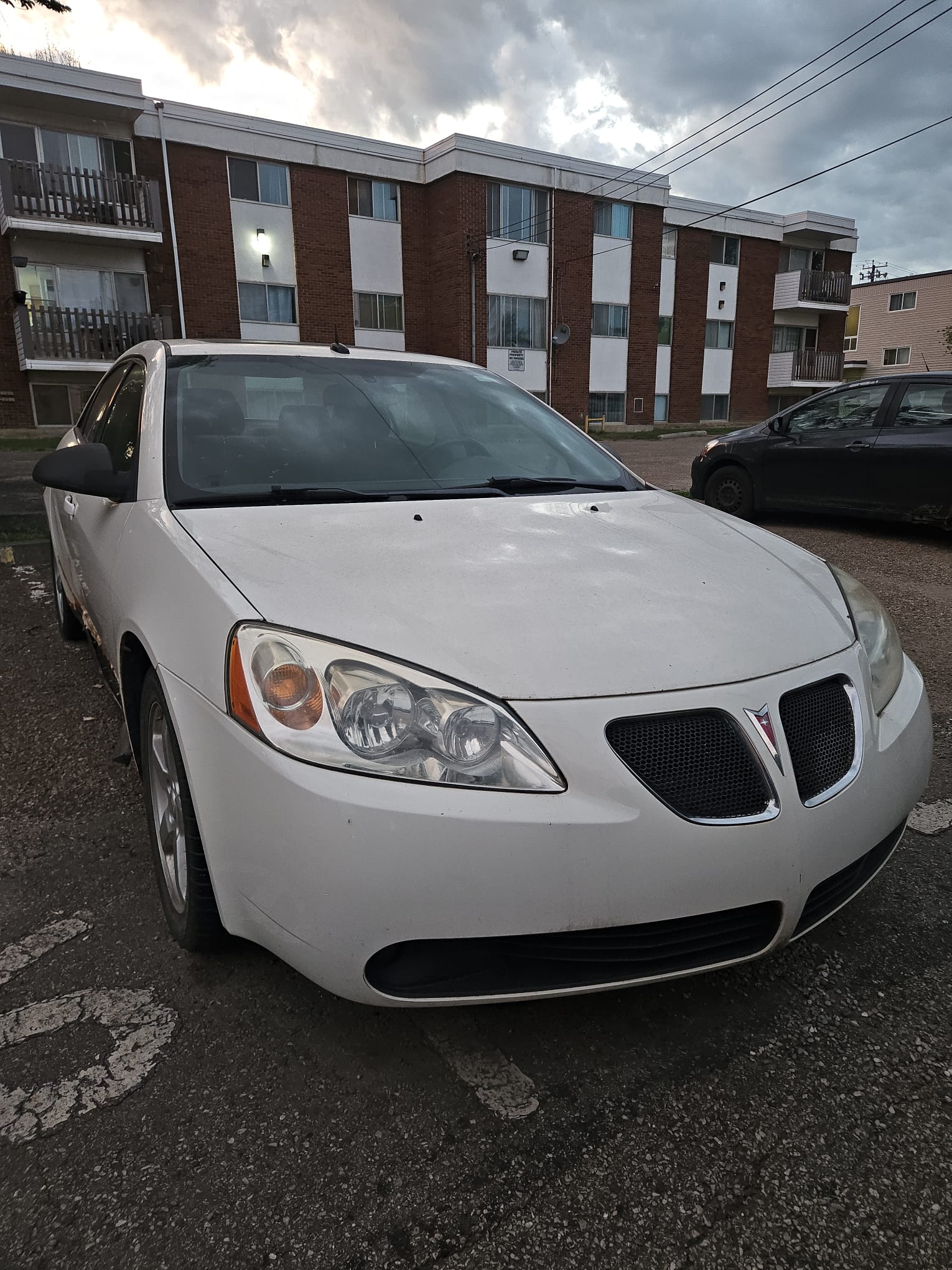
Sooner or later, every Edmonton driver faces the same decision. The car you have is getting old, the repair bills are creeping up, or you simply need something different. You can trade it in at a dealership, sell it privately on Marketplace or Kijiji, or sell it to a cash-for-cars buyer who picks it up from your driveway.
Ask around and you’ll hear strong opinions about all three. The truth is less exciting: each one is the best choice for a particular kind of car and a particular kind of seller. This guide walks through what each option really pays once you count the hidden costs, and gives you a simple way to decide in about five minutes.
The Three Ways to Sell a Car in Edmonton
1. Trading in at a dealership
You drive in, the dealer appraises your car, and the value comes off the price of the vehicle you’re buying. It’s the fastest and least effort of the three. The catch is that the dealer prices your trade on how easily they can resell it on their own lot or at auction. A clean, recent vehicle passes that test. An older, high-kilometre or damaged one usually doesn’t, and the trade number reflects it.
There’s one advantage people often forget. When you buy from a dealer in Alberta, the 5% GST on your new vehicle is generally charged on the price after your trade-in is deducted. On a $10,000 trade, that’s roughly $500 in tax you don’t pay — real money that should be counted when you compare offers.
2. Selling privately
You set the price, take the photos, write the ad and handle every message, viewing and test drive yourself. For a desirable vehicle in good shape, a private sale usually gets the highest headline price, because you’re selling at retail rather than wholesale. You also carry all the work, the time and the risk.
3. Selling to a cash-for-cars buyer
A buyer quotes your vehicle over the phone, tows it away and pays you at pickup. These buyers value a car for what it’s made of and what its parts are worth, not for how it looks on a lot. That makes them the strongest option for vehicles that are old, damaged, high-kilometre or not running at all, and usually the fastest exit for any car.
Side-by-Side Comparison
| Dealer trade-in | Private sale | Cash-for-cars buyer | |
| Best for | Newer, clean cars when you’re buying another | Desirable, well-kept cars you can wait on | Older, damaged, high-km or non-running cars |
| Speed | Same day, tied to a purchase | Days to weeks | Usually same or next day |
| How you’re paid | Credit toward a vehicle | Whatever the buyer agrees to | Paid at pickup |
| Accepts non-running cars? | Rarely, at a steep discount | Very few buyers | Yes |
| Hidden costs | Lower appraisal on older cars | Ads, repairs, cleaning, your time | Few, if towing is truly free |
| Risk | Low | Higher: no-shows, scams, test drives | Low |
| Tax angle | GST usually charged on the net price | None | None |
What Each Option Really Pays
The headline number is only half the story. Here’s how the maths usually works for three common Edmonton cars.
Example 1: A five-year-old SUV in good shape
A private sale will usually bring the most money. A dealer trade-in will be lower, but the GST saving on your next vehicle narrows the gap, and you skip the hassle. A cash buyer may still make a competitive offer, but this is the car where you should get all three numbers before deciding.
Example 2: A twelve-year-old sedan with 260,000 km and a check-engine light
The dealer will often offer very little, because the car doesn’t suit their lot. A private sale is possible, but expect a long list of “is this still available?” messages and lowball offers from buyers who’ve spotted the warning light. A cash buyer prices it on weight, parts and the catalytic converter, so the kilometres and the warning light cost you far less. This is where the cash route usually wins.
Example 3: A car that hasn’t started since the last cold snap
Private buyers for a non-running car are rare, and most dealers won’t take it at all. A cash buyer with a tow truck is usually the only realistic option, and often a surprisingly good one, because a complete vehicle still has real parts and metal value.
The Hidden Costs of a Private Sale
Private sales look like the obvious way to get “full value,” but the costs add up quietly:
- Getting it sellable. Detailing, new wiper blades, maybe a set of tires or a minor repair so the car photographs and test-drives well.
- Your time. Writing the ad, answering messages, arranging viewings and waiting for people who don’t show up.
- Price negotiation. Most private buyers expect to talk you down, often by more than you planned.
- Insurance and registration while you wait. Every month the car sits unsold is another month of premiums.
- Payment risk. Fake e-transfer notifications and overpayment scams target private sellers constantly.
For a valuable vehicle, these costs are worth carrying. For a car worth a couple of thousand dollars or less, they can easily eat most of the difference.
When a Cash Buyer Is the Smart Choice
A cash-for-cars buyer is usually the best option when any of these are true:
- The car doesn’t run, or needs a repair that costs more than it’s worth.
- It has very high kilometres, rust, hail damage or a failed inspection.
- You need it gone quickly — a move, a new job, a condo board notice, an estate to settle.
- You don’t want strangers at your home or test-driving your car.
- You’re not buying another vehicle, so a trade-in credit is no use to you.
Local buyers that offer cash for cars Edmonton services typically quote over the phone, tow for free and pay at pickup, which turns a weeks-long project into a twenty-minute appointment. Just make sure the quote you’re given is the amount you’ll actually be paid.
How to Get the Best Number, Whichever Route You Choose
- Get three numbers. A trade-in appraisal, a realistic private-sale price from similar listings, and at least one cash-buyer quote. It takes less than an hour.
- Compare what you’d actually receive. Subtract repair, cleaning and advertising costs from the private price. Add the GST saving to the trade-in. Make sure any cash quote includes towing.
- Be honest about the car. Accurate descriptions get accurate quotes that don’t change at pickup.
- Ask every buyer the same questions. Is towing included? Is this the final amount? How and when will I be paid?
- Don’t pour money into it first. Repairs made just before selling rarely come back in a higher price, especially on older vehicles.
Don’t Forget the Paperwork
Whichever way you sell, the basics in Alberta are the same. Bring government photo ID and proof of ownership, complete a bill of sale with both names, the VIN, the price and the date, and keep a copy. Remove your licence plate, because in Alberta it belongs to you rather than the car. Then cancel or transfer your registration at a registry agent and call your insurer — if you prepaid your policy, you may be owed a refund.
The Five-Minute Decision
If your car is less than about eight years old, runs well and looks clean, start with a private-sale estimate and a trade-in appraisal. If it’s older, damaged, high-kilometre or not running, start with a cash-buyer quote. And if you’re not sure, get all three numbers — the right answer is usually obvious once they’re side by side.

You may also like

Maison de Monaco Streetwear au Style Monégasque

On Clouds: A Fresh Take on Comfort, Style, and Everyday Movement